Companion Plants
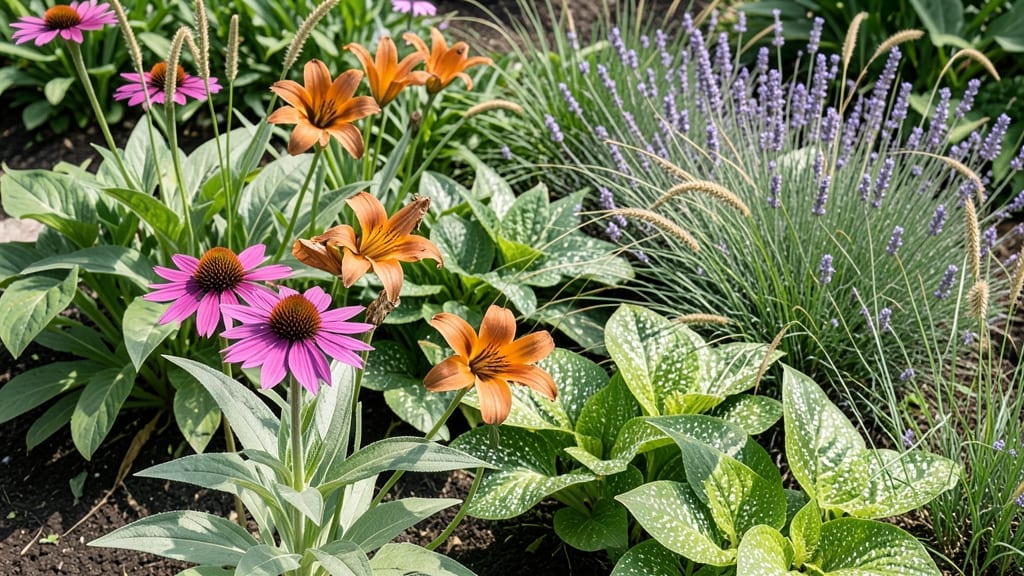
Growing popular garden plants that attract pollinators isn’t just about adding color—it’s about creating a thriving ecosystem right in your yard.
Did you know that planting just a few pollinator-friendly species can transform your garden into a buzzing hub for bees, butterflies, and hummingbirds? These plants don’t just look beautiful; they play a critical role in supporting local wildlife and boosting biodiversity.
Whether you’re designing a cottage-style garden or a modern urban space, the right plants can provide year-round interest while requiring minimal upkeep. From sun-loving lavender to shade-tolerant asters, I’ll share the top choices that deliver beauty and function.
By the end, you’ll know exactly which plants to pick, how to arrange them for maximum impact, and the simple care tips to keep them flourishing—so your garden becomes a haven for pollinators and a joy for you.
Top 10 pollinator-friendly garden plants that attract bees and butterflies
Creating a pollinator paradise in your garden starts with selecting the right native plants that provide nectar and pollen year-round. These top 10 pollinator-friendly plants are not only beautiful but also incredibly effective at supporting bees, butterflies, and beneficial insects.
Whether you live in a hot climate or cooler region, these species thrive with minimal effort once established.
I’ve chosen plants that offer season-long blooms, easy care, and adaptability to various USDA hardiness zones. From perennial workhorses like coneflowers to annual powerhouses like zinnias, each selection delivers maximum impact for pollinators while enhancing your garden’s aesthetic.
Let’s dive into the best options for your pollinator-friendly garden.
| Plant Name | Type | Bloom Season | Sun Needs | Height | Notes |
|---|---|---|---|---|---|
| Eastern Redbud | Shrub | Spring | Full Sun | 10-20 ft | Early bloomer; attracts bees |
| Purple Coneflower | Perennial | Summer-Fall | Full Sun | 2-3 ft | Drought-tolerant; butterfly magnet |
| Milkweed | Perennial | Summer | Full Sun | 1-4 ft | Host plant for monarchs |
| Lavender | Herb | Summer-Fall | Full Sun | 1-3 ft | Fragrant; attracts bees |
| Black-Eyed Susan | Perennial | Summer-Fall | Full Sun | 1-3 ft | Long bloom time; low-maintenance |
| Butterfly Weed | Perennial | Summer-Fall | Full Sun | 1-2 ft | Drought-resistant; attracts monarchs |
| Bee Balm | Perennial | Summer-Fall | Partial Sun | 2-4 ft | Hummingbird favorite |
How to design a pollinator garden layout for maximum impactA well-designed pollinator garden isn't just about planting flowers—it's about creating a year-round buffet that keeps bees, butterflies, and hummingbirds visiting. The key is strategic layering and seasonal succession so pollinators always have fresh nectar and pollen. Start by grouping plants by their bloom times—early spring, summer, and fall—to ensure continuous food sources. Begin with native plants as your foundation, as they've evolved alongside local pollinators. Add companion plants like herbs (basil, oregano) and climbing vines (passionflower, honeysuckle) to maximize vertical space and diversity. These combinations not only support pollinators but also deter pests naturally. For example, planting lavender near rosemary repels aphids while attracting beneficial wasps.
Don't forget to include host plants like milkweed for monarch butterflies or parsley for swallowtail caterpillars. These caterpillar-friendly plants complete the lifecycle by offering food for larvae. Place them near flowering plants to create a pollinator highway that guides insects through your garden effortlessly. For maximum impact, dedicate at least 10% of your garden space to pollinator-friendly plants. Even a small balcony can host a mini pollinator garden using containers filled with native wildflowers or herbs. Group 3-5 plants of the same type together—they create stronger fragrances and more visible landing zones for pollinators. Finally, observe and adjust! Note which plants attract the most visitors and add more of those varieties next season. Rotate annuals every year to prevent disease and keep the garden dynamic. With these strategies, your garden will become a pollinator paradise in no time. 🌿 |