
Advice
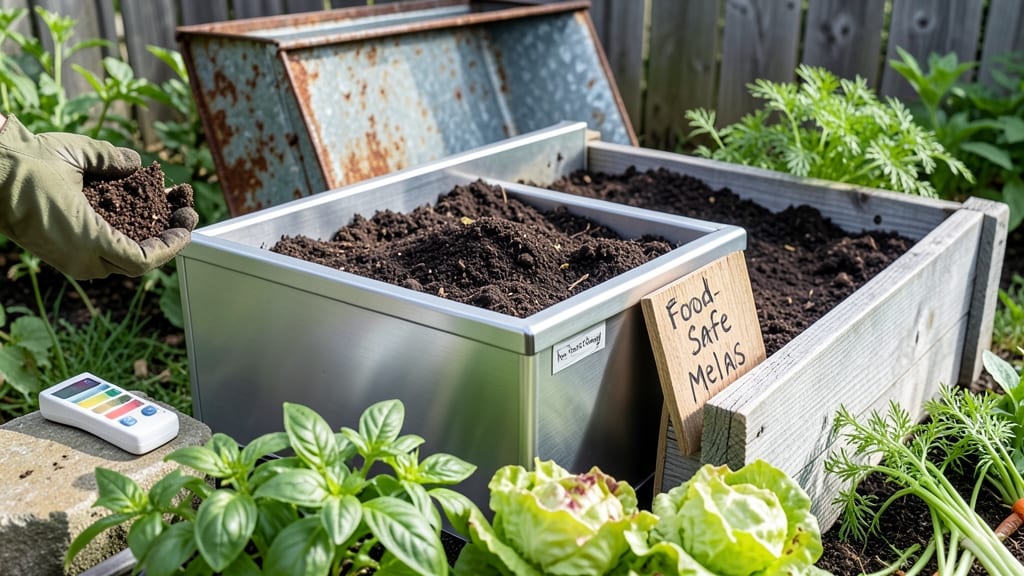
Metal raised garden beds can be safe for plants when constructed from food-grade materials like galvanized steel or stainless steel, but they carry risks of metal leaching over time that may harm soil and plant health. Using protective coatings and monitoring soil pH helps minimize these dangers.
Metal raised garden beds offer durability and aesthetic appeal, but their safety depends on the materials used and how they're maintained. 🌱 The biggest concern is metal leaching—galvanized steel, for example, can release zinc and chromium into the soil, especially in acidic conditions.
Stainless steel is generally safer, but even it can degrade over time. To protect your plants, opt for non-corrosive coatings or line the bed with landscape fabric before adding soil. Regular pH testing ensures the soil stays within a safe range (6.0-7.0), reducing the risk of toxic buildup.
Beyond material choice, proper drainage and bed design also play a role. Elevated beds with adequate airflow prevent water pooling, which accelerates corrosion. If you're concerned about long-term safety, consider using copper-free galvanization or food-grade plastic liners as extra precautions.
The key is balancing durability with plant health—metal beds can work, but they require vigilance.
💡 In This Article
- How Metal Garden Beds Affect Soil Health and Plant Growth
- Choosing Safe Materials and Design Tips for Metal Raised Beds
How metal garden beds affect soil health and plant growth
The core concern with metal raised beds isn't the metal itself but what happens when it corrodes. Galvanized steel, for instance, contains a zinc coating that protects the base metal from rust.
Over time, especially in acidic soils (pH below 6.0), this zinc coating can degrade, releasing soluble zinc compounds into the soil. 🔥 While some zinc is essential for plant growth (a micronutrient needed for enzyme function), excessive amounts—typically above 10-20 ppm (parts per million) in soil—can become toxic to plants, causing leaf chlorosis (yellowing) or stunted growth.
Chromium, another component of galvanized coatings, is less mobile in soil but can still accumulate over decades.
Stainless steel presents fewer immediate risks because its chromium-nickel alloy resists corrosion better. However, even stainless steel isn't impervious—prolonged exposure to moisture and temperature fluctuations can cause pitting corrosion, especially in cheaper grades (like 304 stainless).
This releases trace chromium and nickel, which at high concentrations (0.1 ppm for nickel) can inhibit plant nutrient uptake. The real danger lies in how these metals interact with soil microbes: excessive zinc or chromium disrupts beneficial bacteria and fungi that decompose organic matter, reducing soil fertility over time.
Soil pH acts as both a protector and a risk amplifier. In neutral to slightly alkaline soils (pH 6.0-7.5), metal ions bind more tightly to soil particles, reducing their availability to plants.
But acidic soils (pH below 6.0) increase metal solubility, making leaching more likely. 🌱 For example, tomatoes—sensitive to zinc toxicity—grown in galvanized beds with pH 5.5 may show signs of stress within 6-12 months, while the same plants in pH 7.0 soil would likely thrive.
Regular soil testing (every 1-2 years) is your best defense against hidden buildup.
Long-term effects on soil structure are often overlooked. Metal ions can alter soil aggregation by changing the electrostatic charges between clay particles and organic matter. This can lead to compaction or poor drainage, especially in clay-heavy soils.
For instance, a 10-year-old galvanized bed in a humid climate might show 20-30% reduced porosity compared to a wood or composite bed, limiting root penetration. The solution? Amend soil with organic matter (compost, peat moss) to buffer against metal accumulation and improve structure.
Not all metals are created equal when it comes to plant safety. Copper, while toxic in high doses, is used in some treated woods and can leach into soil at 0.5-2 ppm annually—far less harmful than zinc or chromium.
Aluminum, another common metal, is generally inert in soil unless present in acidic conditions, where it can become phytotoxic. The safest bet? Opt for 316-grade stainless steel (higher molybdenum content) or aluminum-coated steel, both of which resist corrosion better than standard galvanized options.
What most gardeners don't realize is how metal beds can also affect plant growth indirectly. The heat absorption of dark metal surfaces can raise soil temperatures by 5-10°F on sunny days, accelerating nutrient depletion in fast-growing crops like lettuce or radishes.
To mitigate this, use lighter-colored metals or add a 2-inch layer of mulch on top of the soil. This dual approach—controlling leaching and temperature—keeps your plants thriving while preserving soil health for years.