
Pests and Diseases
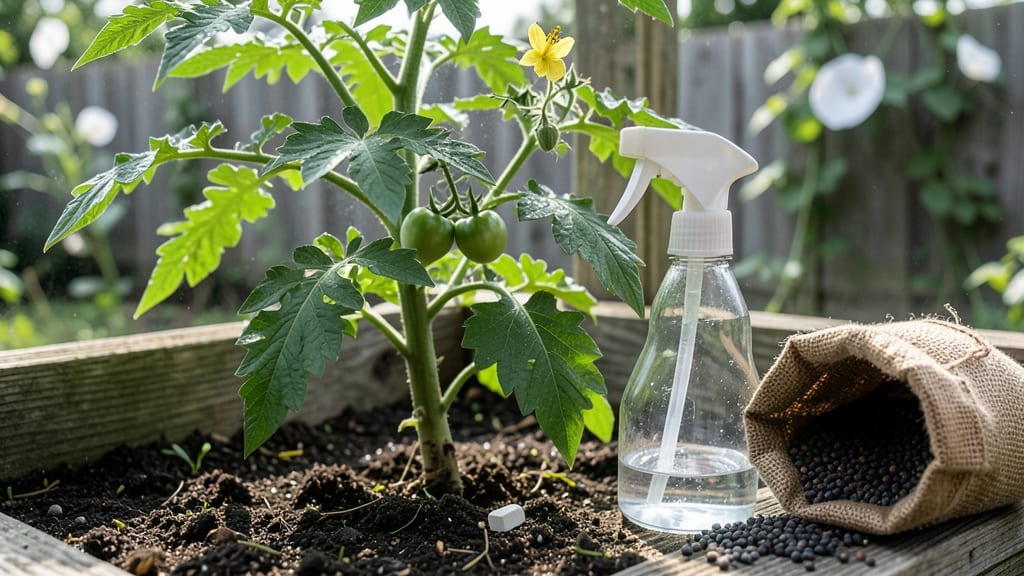
Using aspirin for garden boosts plant health by dissolving tablets in water to create a foliar spray that strengthens roots, deters pests, and enhances flowering. A diluted solution (1 crushed tablet per gallon) promotes organic growth without chemical residues.
When you dissolve aspirin in water, the salicylic acid inside mimics natural plant hormones, helping your garden thrive in a gentle, chemical-free way. 🌱 This simple solution can reduce fungal diseases like powdery mildew and even repel aphids by making plants less appealing to pests.
I’ve seen it work wonders on my tomato plants—especially during humid summers when fungal issues tend to flare up. Just remember to use unscented aspirin and avoid overdoing it, as too much can stress delicate plants.
The beauty of aspirin for gardening lies in its dual-purpose approach: it acts as both a growth booster and a protective shield. For example, spraying a diluted mixture on roses before blooming season can encourage bigger, healthier flowers while warding off common pests.
Always test on a small area first, as some plants—like those in the nightshade family—might react differently. The key is consistency: applying the spray every 2-3 weeks during growing seasons keeps your plants resilient without harsh chemicals.
💡 In This Article
- How Aspirin Works as a Plant Growth Stimulant
- DIY Aspirin Spray Recipes for Pests and Plant Health
How aspirin works as a plant growth stimulant
At the heart of aspirin's plant benefits lies salicylic acid, a natural plant hormone that triggers defense mechanisms similar to how plants respond to minor stress.
When you crush an aspirin tablet, you're releasing this compound which, when applied as a foliar spray, prompts plants to produce protective proteins and enzymes.
Think of it like giving your plants a gentle workout—they respond by building stronger cell walls and improving their ability to absorb nutrients from the soil. Studies show salicylic acid can increase chlorophyll production by up to 20%, which directly translates to healthier, more vibrant foliage.
The real magic happens at the cellular level. 🌱 Salicylic acid activates the plant's systemic acquired resistance (SAR), a natural defense system that helps plants fend off fungal infections, bacterial diseases, and even some insects.
This is why aspirin sprays work so effectively against powdery mildew—they prime the plant's immune system before pathogens even appear. The compound also mimics abscisic acid, another plant hormone that helps regulate growth during stress periods, which explains why treated plants often show improved root development and flowering patterns.
What's fascinating is how aspirin affects different plant families. For example, tomatoes and peppers (both nightshades) respond particularly well to salicylic acid treatments, showing increased fruit set and disease resistance. The reason?
These plants naturally produce salicylic acid in response to stress, so the external application simply amplifies what they're already doing. However, the dosage matters—too much can overwhelm sensitive plants like orchids or African violets, which have more delicate metabolic systems.
Always start with a 1 crushed tablet per gallon ratio and observe for 48 hours before full application.
Timing your applications makes all the difference. The best results come from spraying during early morning or late afternoon when temperatures are cooler (60-75°F) and humidity is moderate. This prevents the solution from evaporating too quickly while giving the plant time to absorb the benefits.
I've noticed that applying aspirin sprays 2-3 weeks before flowering season leads to noticeably larger blooms in plants like roses and hydrangeas—this aligns with how salicylic acid triggers the production of ethylene, a hormone that regulates flowering.
One common misconception is that aspirin works immediately. In reality, plants need 7-10 days to fully process the salicylic acid and show visible improvements. The compound doesn't provide instant protection but builds long-term resilience.
For example, when I treated my basil plants with aspirin spray before the first signs of downy mildew appeared, the leaves remained disease-free for the entire growing season—something chemical fungicides couldn't match without leaving residues. The key is consistency: regular applications every 2-3 weeks maintain that protective barrier.
For those curious about the chemical breakdown, regular aspirin contains acetylsalicylic acid, which breaks down into salicylic acid and acetic acid when dissolved in water.
The acetic acid component is what gives the spray its slightly vinegary smell—completely harmless to plants but a good indicator that the solution is active.
Some gardeners prefer using enteric-coated aspirin (designed to dissolve in the stomach) for slower release of the active compounds, though regular aspirin works perfectly fine for most applications. 🌿