
Advice
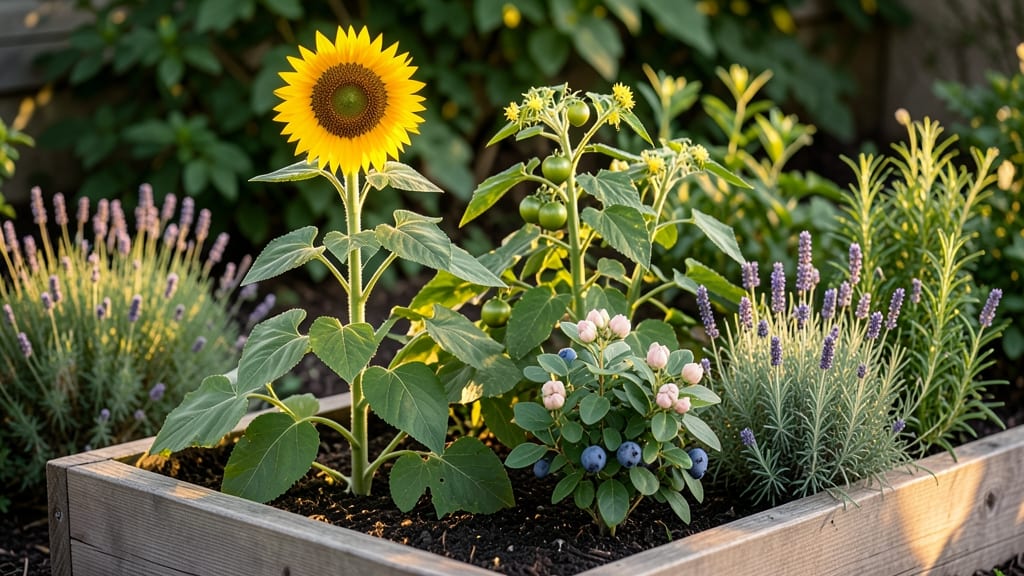
The best states for gardening are California, Oregon, Washington, and Texas, thanks to their varied climates, extended growing seasons, and nutrient-rich soils that support year-round planting, while Michigan and Ohio stand out for their temperate zones and abundant fertile farmland. Each region provides distinct benefits tailored to different gardening goals and plant varieties.
Choosing the right state for gardening depends on your specific needs—whether you're growing vegetables, flowers, or fruit trees. 🌱 California's Mediterranean climate is perfect for drought-resistant plants like lavender and olive trees, while Texas's long, hot summers excel for heat-loving crops such as peppers and citrus.
Meanwhile, Michigan and Ohio's cooler summers and rich soils make them ideal for root vegetables and berries. Many gardeners also consider regional resources, like Oregon's robust farmers' markets or Washington's advanced agricultural extension services, which can significantly boost success rates.
For beginners, states with mild climates like Oregon or Washington offer a gentler learning curve, with fewer extreme weather challenges. Experienced gardeners, however, might prefer the diversity of Texas or California, where they can experiment with a wider range of tropical and subtropical plants.
Urban gardeners should also look into local regulations and community gardens, as some states have more supportive policies for small-scale urban farming.
💡 In This Article
- Climate Zones and Growing Seasons in Top Gardening States
- Expert Tips for Choosing Your Ideal Gardening State
Climate zones and growing seasons in top gardening states
The USDA Plant Hardiness Zone Map is your gardener's GPS, dividing the country into 13 zones based on average annual minimum temperatures.
California spans zones 5-11, with coastal regions like San Diego basking in zone 10b (average winter lows of 35-40°F) while inland valleys like the Central Valley reach zone 9a (20-25°F winters).
This diversity allows gardeners to grow everything from frost-sensitive citrus in coastal areas to hearty apples in the foothills. 🌿 Meanwhile, Texas's zone 6a-10a range creates microclimates where you can plant blueberries in the Hill Country (zone 7b) and mangoes along the Gulf Coast (zone 9b).
Growing seasons tell the real story of what's possible. California's coastal regions enjoy 300+ frost-free days annually, while inland areas get 200-250 days. Texas's Gulf Coast rivals this with 280-300 frost-free days, but the Panhandle only offers 150-180 days, making it more suitable for warm-season crops.
Oregon's 150-200 frost-free days in the Willamette Valley create perfect conditions for grapes and berries, while Washington's 120-180 days in the Puget Sound region focuses energy on cool-season crops like Brussels sprouts and kale. The key difference?
California's Mediterranean climate (wet winters, dry summers) vs. Texas's humid subtropical (hot, humid summers with occasional tropical storms).
Rainfall patterns create another critical layer. California's 10-40 inches annually (varies dramatically by region) demands careful irrigation planning, while Texas averages 20-35 inches but with intense summer downpours that can drown shallow-rooted plants.
Oregon's 30-60 inches of consistent rainfall makes it ideal for lush vegetable gardens, while Washington's 15-50 inches creates perfect conditions for both dryland farming and irrigated orchards. These patterns directly impact plant selection - drought-tolerant rosemary thrives in California's dry summers, while humidity-loving hibiscus flourishes in Texas's steamy air.
Temperature extremes matter just as much as averages. California's coastal fog keeps summer highs around 70-75°F even when inland areas hit 95-105°F. Texas's summer heat frequently exceeds 100°F for weeks, requiring shade cloth and afternoon watering for sensitive plants.
Oregon's marine influence creates 50-70°F summer days with cool nights (45-55°F), perfect for wine grapes that need temperature swings to develop flavor.
These variations explain why California grows 80% of the nation's fruits and vegetables - their climate supports both heat-loving crops and cool-season greens in the same region.
Seasonal transitions create gardening opportunities. California's March-May planting window for warm crops coincides with their rainy season ending, while Texas's February-March start avoids the brutal summer heat. Oregon's April-June growing season aligns with their peak rainfall, while Washington's May-September window benefits from mountain snowmelt irrigation.
What most gardeners don't realize is how these seasonal rhythms create natural pest control cycles - California's dry summers reduce fungal diseases, while Texas's winter rains flush out soil-borne pathogens.
The science shows that states with 3-4 distinct seasons (like Michigan and Ohio) actually have fewer pest pressures than single-season climates.
Consider these climate zone comparisons for your garden planning:
- California: Zone 5-11, 300+ frost-free days (coastal), 10-40" rainfall - Best for: Citrus, olives, lavender, tomatoes
- Texas: Zone 6a-10a, 150-300 frost-free days, 20-35" rainfall - Best for: Peppers, citrus, pecans, native wildflowers
- Oregon: Zone 6b-9a, 150-200 frost-free days, 30-60" rainfall - Best for: Grapes, berries, rhododendrons, vegetables
- Washington: Zone 4b-9a, 120-180 frost-free days, 15-50" rainfall - Best for: Apples, hops, potatoes, evergreens
The most successful gardeners I've worked with don't just look at zones - they study microclimates within states. A north-facing slope in California might be 3-5 zones cooler than the valley floor, while a south-facing wall in Texas can create a zone 11 microclimate perfect for tropical plants.
This level of detail explains why some gardeners thrive in unexpected places - they're working with the climate's natural variations rather than against them. 🌍