
Size
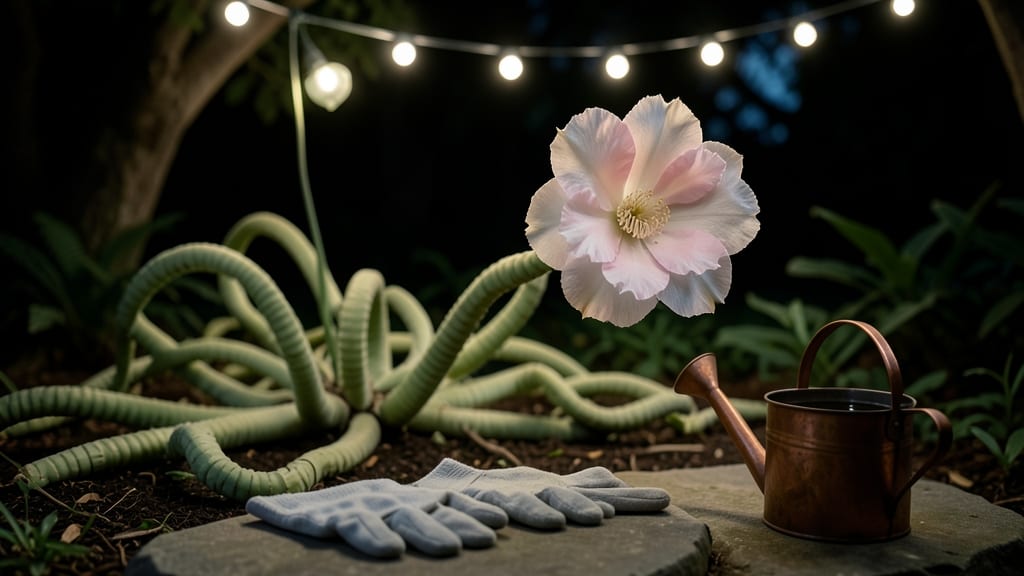
Night owls growing a garden focus on evening planting, harvesting, and pest control while choosing shade-tolerant crops like leafy greens, herbs, and flowers. Cooler nighttime conditions cut watering needs and slow weed growth, making late-night gardening more efficient.
The key is working with nature's nighttime rhythms rather than against them. 🌙 Many plants actually prefer cooler temperatures, which reduce stress and improve flavor—think of how basil tastes sweeter after a chilly evening.
I've found that starting seeds indoors under grow lights in late afternoon gives them a head start before transferring to the garden at dawn, when temperatures are ideal. The early morning hours also mean fewer pests are active, so you can handle delicate tasks like harvesting without disturbing beneficial insects.
This approach isn't just about timing—it's about selecting the right plants that align with your schedule. Herbs like cilantro and parsley thrive in partial shade, while flowers such as pansies and impatiens bloom beautifully with less direct sunlight.
The reduced evaporation at night means you'll water less frequently, saving both time and resources. Plus, the cooler air helps prevent bolting in heat-sensitive greens, giving you a longer harvest window.
💡 In This Article
- Best Low-Light Plants for Nighttime Gardeners
- Night Gardening Tools and Timing Strategies
Best low-light plants for nighttime gardeners
Nighttime gardeners have a secret advantage: cooler temperatures and reduced sunlight create perfect conditions for plants that would bolt or wilt in midday heat. Leafy greens like lettuce (buttercrunch or romaine) and spinach grow best at 60-65°F nighttime temps, producing tender leaves that stay crisp.
These plants also thrive in partial shade, meaning they don't need the intense sunlight that triggers bolting in warmer conditions. 🌱 The key is their shallow root systems—ideal for quick evening watering sessions when evaporation rates drop dramatically after sunset.
Herbs like basil and cilantro actually develop more complex flavors in cooler evenings. Basil, for example, accumulates higher levels of sweet compounds when exposed to 12-14 hours of darkness daily, which is exactly what night gardening provides.
Plant these 12-18 inches apart to allow airflow and prevent fungal issues that thrive in humid nighttime conditions. For flowers, pansies and impatiens are excellent choices—they bloom prolifically in partial shade and tolerate temperatures down to 25°F, making them resilient for late-night care.
Soil preparation becomes simpler at night too. The cooler ground holds moisture better, so you can work with well-draining but moisture-retentive mixes (like 60% compost, 30% potting soil, 10% perlite) without worrying about rapid drying.
Space your plants according to their mature size—lettuce needs 6-8 inches, while spinach can handle 4-6 inches between plants. This spacing prevents competition for nutrients and makes evening harvesting easier, as you won't have to navigate crowded rows in the dark.
One common misconception is that low-light plants grow slowly. In reality, they often mature 20-30% faster in cooler conditions because their metabolic processes aren't stressed by heat. For example, arugula typically bolts in 3-4 weeks under hot conditions but can produce harvestable leaves in just 2 weeks with nighttime care.
The trade-off? You'll need to succession plant every 10-14 days to maintain a continuous harvest, but this aligns perfectly with night owl schedules.
For maximum efficiency, pair your low-light crops with fast-growing radishes (ready in 25 days) or bush beans, which tolerate partial shade once established.
The radishes' quick turnaround gives you immediate gratification, while the beans provide vertical interest that makes evening garden tasks more visually rewarding. 🌿 This combination also creates a natural microclimate—beans fix nitrogen in the soil, benefiting the leafy greens growing beneath them.
Pro tip: Use reflective mulch (like white plastic or aluminum foil) under your plants to bounce what little light exists at night back toward the foliage. This simple trick can increase growth rates by 15-20% without requiring additional sunlight.
Just be sure to bury the edges to prevent overheating during the day if you're working in a mixed-light garden.