
Vegetables
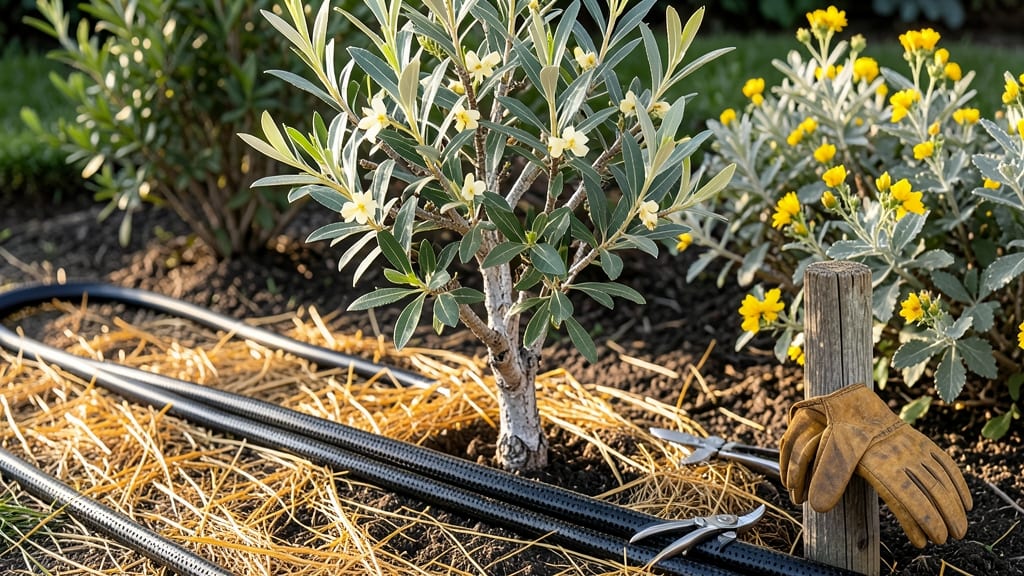
Identifying Boise's garden zone means understanding it spans USDA Plant Hardiness Zones 6b to 7a, with some areas reaching 7b due to elevation shifts and urban heat effects. These zones determine which plants thrive year-round in Boise's climate.
Boise's high desert location creates a unique growing environment where elevation plays a major role.
The city's 4,000-foot altitude means daytime temperatures can feel warmer than they are, while nights drop quickly—especially in valley areas where cold air pools. 🌿 This creates microclimates where Zone 7b plants might survive in sheltered spots while Zone 6b varieties struggle just blocks away.
For accurate planning, I always recommend checking the USDA interactive map or consulting local extension office records, as Boise's urban areas can be 5°F warmer than surrounding rural zones.
This zone range explains why some plants like Russian sage and catmint thrive as perennials, while others like hibiscus need winter protection. The key is matching your planting choices to your specific microclimate—whether you're in the city center or along the foothills.
Understanding these variations helps avoid costly mistakes when selecting cold-hardy varieties for your Boise garden.
💡 In This Article
- Factors Influencing Boise’s Unique Plant Hardiness Zones
- Best Plants for Boise’s Garden Zones 6b-7a
Factors influencing Boise’s unique plant hardiness zones
Boise’s elevation of 2,700 to 3,200 feet creates a dramatic temperature shift between day and night—a phenomenon called diurnal temperature variation. During summer, daytime highs can reach 90°F+, but nights often drop to 50-60°F, shocking heat-sensitive plants like tomatoes or peppers.
This extreme swing explains why Zone 7a (average 0-5°F minimum) dominates, while Zone 6b (-5°F) persists in colder microclimates. 🌡️
The urban heat island effect further complicates things—concrete and asphalt in downtown Boise can create pockets 5-10°F warmer than rural areas, pushing some spots into Zone 7b. Meanwhile, cold air pools in valley bottoms like the Boise River Greenbelt, where frost lingers longer.
These variations mean a garden just half a mile higher might experience 10°F colder minimum temperatures, affecting plant survival rates.
Frost dates are another critical factor. Boise typically sees its last spring frost around May 15-30, while the first fall frost arrives September 15-30. However, high-elevation areas near the foothills can experience frost 2-3 weeks later in spring and earlier in fall.
This timing shift explains why Zone 6b plants like hardy kiwi or apples thrive in the foothills, while Zone 7a varieties like figs struggle without winter protection in valley gardens.
Soil composition adds another layer. Boise’s sandy loam drains quickly, which can make roots more vulnerable to cold snaps. Plants with deep root systems—like Russian olive or serviceberry—handle these conditions better than shallow-rooted annuals.
The combination of elevation, urban heat, and soil type creates a patchwork of microclimates where a single property might contain three different hardiness zones within its boundaries.
For gardeners, this means zoning isn’t just about the city average—it’s about your specific location.
A north-facing slope might behave like Zone 6a, while a south-facing urban patio could mimic Zone 7b. Using local weather station data (like Boise Airport records) or planting in raised beds with protective mulch can help bridge these gaps.
The key is observing your garden’s unique conditions over multiple seasons to refine your planting strategy.
What most gardeners overlook is how wind exposure interacts with these zones. Open areas near the Boise Airport experience wind chill effects that can drop temperatures 5°F lower than sheltered yards.
This is why windbreaks—like evergreen hedges or lattice fences—can effectively shift your microclimate into a higher zone, allowing you to grow plants that would otherwise fail in Boise’s climate.