
Vegetables
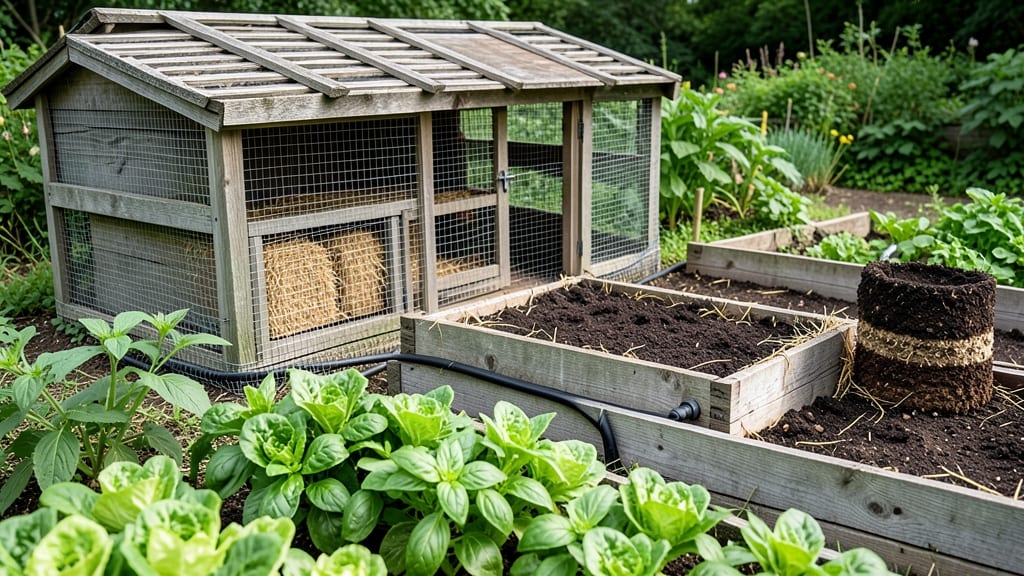
Combining a chicken coop and garden creates a mutually beneficial setup where chickens fertilize soil naturally, deter pests, and provide fresh compost while saving space for both gardening and poultry care. Strategic placement and design maximize efficiency without sacrificing productivity.
A well-designed chicken coop and garden integration turns your yard into a self-sustaining ecosystem. 🌱 Chickens till the soil with their foraging, breaking up compacted earth while their manure acts as a slow-release fertilizer rich in nitrogen.
Plus, their presence scares off slugs, rabbits, and even some insects—no harsh chemicals needed. The real magic happens when you position the coop near vegetable beds; their daily movements aerate the soil naturally, while their droppings create nutrient-dense compost for your crops.
This isn't just about saving space—it's about creating a cycle where every element supports the next.
For maximum efficiency, consider mobile coops that follow crop rotation paths, or raised beds with built-in nesting boxes to eliminate wasted ground space. Vertical gardening alongside coop perches turns walls into productive growing areas.
The key is balancing shade (chickens need protection from direct sun) with sunlight access for plants. I've seen urban gardeners use repurposed pallets for multi-level setups—genius for small yards!
One common misconception is that chickens will trample plants, but with strategic zoning—keeping them out of delicate seedlings with temporary fencing—you can have both. The payoff? Healthier soil, fewer pests, and fresh eggs harvested steps from your harvest. It's the ultimate win-win for small-scale farmers and city gardeners alike.
💡 In This Article
- How Chickens Enhance Garden Soil and Pest Control
- Space-Saving Coop and Garden Layout Ideas
How chickens enhance garden soil and pest control
Chickens act as natural tillers, using their strong legs to break up compacted soil while foraging for insects and weeds. Their scratching behavior aerates the earth to a depth of 4-6 inches, which is ideal for root growth in vegetables like carrots and potatoes.
The real soil magic happens through their manure—when properly composted, it contains 1-3% nitrogen by weight, a critical nutrient for leafy greens and fruiting plants. This nitrogen release occurs gradually over 3-6 months, unlike synthetic fertilizers that burn plants with rapid nutrient spikes.
The pest control benefits come from chickens' natural behaviors. They'll devour 50-100 slugs per day (a gardener's nightmare), along with cutworms, grubs, and even small rodents like mice. Their presence also disrupts the life cycles of pests by disturbing their habitats.
For example, chickens will peck at aphid colonies on stems, while their foraging exposes and destroys rodent burrows. 🌱 What's fascinating is how this works at the microbial level—their manure introduces beneficial bacteria like Bacillus subtilis, which outcompetes harmful pathogens in the soil.
To maximize these benefits, position the coop near your garden's perimeter where chickens can roam freely without trampling young plants. A 10-foot buffer zone between the coop and delicate seedlings gives you control while still allowing them access to pest-heavy areas.
For best results, collect manure daily and compost it for 60-90 days before using—fresh manure can burn plants due to high ammonia levels. The composting process also eliminates weed seeds and pathogens that might harm your crops.
One common mistake is assuming all chickens will behave the same in gardens. Breeds like Easter Eggers or Orpingtons are more docile foragers, while Rhode Island Reds are more aggressive scratchers.
Your garden's scale matters too—4-6 chickens per 100 square feet is ideal for small urban plots, while larger rural gardens can support 10-12 chickens per acre without overworking the soil. The key is matching chicken density to your garden's size and crop types.
Consider this science-backed approach: Plant nitrogen-fixing crops like clover or peas near the coop's run area. These plants will capture excess nitrogen from chicken manure while improving soil structure.
The clover's deep roots also create channels that help water penetrate deeper, reducing runoff. 🌿 This creates a closed-loop system where every element supports the next—just like nature intended.
For urban gardeners with limited space, try the "chicken tractor" method: Move a mobile coop every 1-2 weeks to fresh ground, allowing previously disturbed soil to recover. This mimics natural grazing patterns and prevents soil depletion.
The chickens will naturally target pest-heavy areas first, giving you both pest control and soil improvement in one efficient system.