
Light Requirements
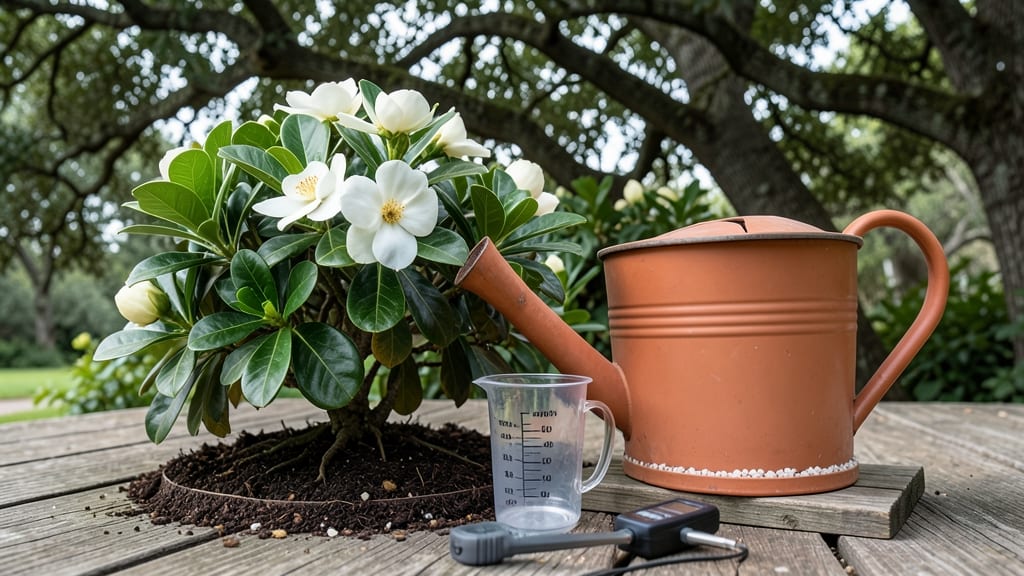
Gardenias need consistent moisture but not necessarily a lot of water 🌸 — the key is keeping their soil evenly damp without letting it dry out or pool.
If you’ve ever watched your gardenias drop buds or wilt despite daily watering, you’re not alone. The real issue isn’t how much you water but how well you balance it with drainage and humidity. Too much water drowns roots; too little stresses the plant, and neither helps those prized blooms.
In-ground gardenias in Zone 6a thrive with deep watering every 2-3 days in spring, while potted varieties may need daily checks. The trick? Let the top inch of soil dry slightly between waterings—never soggy, never bone-dry.
Humidity lovers like gardenias also benefit from a pebble tray or morning misting to mimic their tropical origins.
Below, I’ll break down the exact watering schedule by season, how to spot over- or under-watering early, and the one mulching hack that cuts your watering needs by half. Ready to keep your gardenias blooming like clockwork?
How often to water gardenias for optimal growth and blooms
Gardenias thrive with consistent moisture, but they despise soggy soil. Unlike drought-tolerant plants, gardenias need regular watering to maintain their lush foliage and fragrant blooms. The key is balancing moisture—too little causes wilting, while too much leads to root rot.
Understanding their water needs prevents common mistakes that kill these prized shrubs.
Most gardeners assume gardenias need a lot of water, but the truth is more nuanced. These tropical plants prefer even moisture rather than excessive soaking. In-ground gardenias typically require watering every 2-3 days during peak summer months, while potted plants may need daily attention.
The secret lies in soil moisture testing—not just guessing based on time.
Here’s the science-backed breakdown: Gardenias have shallow roots that spread widely, so they rely on the top 2-3 inches of soil staying consistently damp. Stick your finger into the soil—if it feels dry, it’s time to water.
Overwatering is the #1 killer, so always check before watering again. Morning watering is ideal to reduce fungal risks and evaporation losses.
🌸
Seasonal changes dramatically impact how often you water gardenias. During summer months, when temperatures rise and humidity drops, gardenias may need daily watering—especially in containers, which dry out faster. In contrast, spring and fall require less frequent watering (every 3-4 days) as the soil retains moisture longer.
Winter is the easiest season: reduce watering to bi-weekly or when the top inch of soil feels dry.
Humidity plays a surprising role in gardenia care. In high-humidity climates (like coastal areas), gardenias may need slightly less water because the air moisture helps maintain soil dampness. Conversely, in dry climates, you’ll need to water more frequently—sometimes even twice daily during heatwaves.
Always adjust based on your local conditions rather than following a rigid schedule.
Potted gardenias have unique watering challenges because their roots are confined. Containers dry out 2-3x faster than in-ground soil, so monitor potted plants daily during summer. A simple trick is to lift the pot: if it feels light, it’s time to water.
For in-ground gardenias, focus on deep watering (1-2 gallons per plant) rather than light, frequent sprinkles to encourage strong root growth.
One of the biggest mistakes gardeners make is watering on a schedule without checking soil moisture. Gardenias hate wet feet, so always test before watering. Insert a moisture meter or your finger into the soil—if the first 2 inches are dry, water thoroughly.
If the soil is still damp, wait another day. This soil test method prevents both overwatering and underwatering, keeping your gardenias healthy and blooming.
💧
Watch for these early warning signs of watering problems. Wilting leaves or crispy edges signal underwatering, while yellowing leaves and mushy stems indicate overwatering. Another red flag is dropped buds, which often happens when gardenias experience sudden moisture fluctuations.
To fix this, maintain consistent soil moisture and avoid letting the plant dry out completely between waterings.
For gardeners in USDA Zones 8-10, where gardenias flourish year-round, summer watering is critical. Use a drip irrigation system or soaker hose to deliver water directly to the roots, reducing evaporation.
In cooler zones (6-7), gardenias may go semi-dormant in winter, requiring minimal watering until spring growth resumes. Always mulch around the base to retain moisture and regulate soil temperature.
🌿
5 Common watering mistakes that kill gardenias (and how to fix them)
Gardenias thrive on consistent moisture, but even slight watering missteps can spell disaster. I’ve seen wilting leaves and dropped buds from common mistakes—like overwatering or poor drainage—that choke their roots. The key is balance: gardenias need moist but not soggy soil to flourish.
Many gardeners assume gardenias need a lot of water because they’re tropical plants. But too much water suffocates roots, leading to root rot and yellowing foliage. Others underestimate their thirst, causing buds to abort before blooming. Let’s fix these mistakes with actionable steps to keep your gardenias happy and blooming.
Do Gardenias Need a Lot of Water?
Not exactly! While gardenias love consistent moisture, they hate soggy roots. Overwatering is the #1 killer—test soil moisture before watering. Stick your finger 2 inches deep; if it’s dry, water deeply. If damp, wait 1-2 days. Potted gardenias dry out faster than in-ground plants, so monitor them closely.
Mistake #1: Overwatering is the silent killer. I’ve seen gardeners drown their plants by watering on a strict schedule without checking soil moisture. Instead, water when the top 2 inches of soil feel dry.
Use a moisture meter or the finger test for accuracy. Overwatered gardenias show yellow leaves and mushy stems—a clear sign roots are suffocating.
Mistake #2: Inconsistent watering causes stress. Gardenias despise dry spells followed by deep soaks, which shocks their roots. Stick to a regular watering routine—morning is best—to keep soil evenly moist. If you’re traveling, set up a self-watering system or group plants to reduce evaporation.
Mistake #3: Poor drainage traps excess water. If your gardenias sit in compacted or clay-heavy soil, roots can’t breathe. Amend soil with organic matter like compost or perlite to improve drainage. For potted gardenias, ensure pots have drainage holes and use a well-draining mix with peat moss.
Mistake #4: Ignoring seasonal changes. Gardenias need more water in summer when heat increases evaporation, but less in winter when growth slows. Adjust your watering based on temperature and rainfall. A good rule: water 20% less in fall and 30% more in peak summer.
Mistake #5: Watering at the wrong time. Evening watering invites fungal diseases like powdery mildew, while midday watering wastes moisture to evaporation. Always water in the early morning so foliage dries quickly. This simple habit can double your bloom production by reducing stress.