
Vegetables
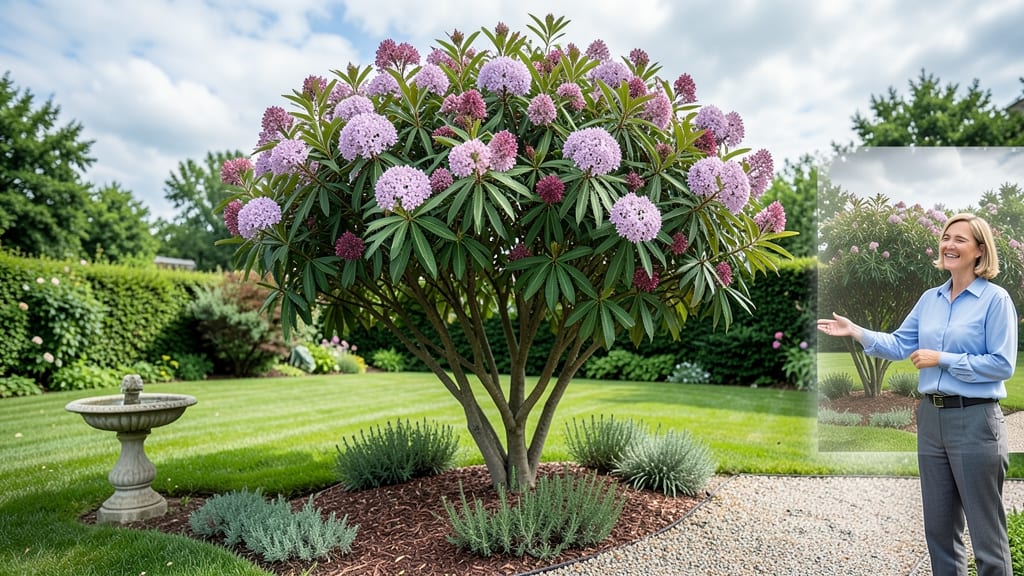
Landscaped gardens do increase property value by 5% to 15% on average, with well-maintained designs delivering the highest returns through enhanced curb appeal and perceived home quality.
This boost comes from how buyers perceive value—studies show homes with attractive outdoor spaces sell faster and command higher offers. 🌿 The key factors are design quality, plant selection, and maintenance consistency, which create an emotional connection with potential buyers.
In warmer climates, mature trees and drought-resistant plants can add even more value by reducing cooling costs and improving energy efficiency.
A professional landscape design often yields better ROI than DIY efforts, especially in competitive markets. Even small improvements like clean walkways, defined plant beds, and seasonal color coordination make a noticeable difference during showings.
The return varies by region, with coastal and suburban properties typically seeing the highest premiums for well-designed gardens.
💡 In This Article
- How Landscaping Impacts Home Appraisals and Buyer Perception
- Maximizing Garden ROI: Best Plant Choices and Layout Strategies
How landscaping impacts home appraisals and buyer perception
Landscaping directly influences home appraisals through a psychological phenomenon called the "halo effect," where attractive exteriors elevate perceived home quality. Appraisers often assign higher values to properties with well-maintained gardens because they signal care and attention to detail.
Studies from the National Association of Realtors reveal that homes with professional landscaping can sell for up to 15% more than comparable properties with neglected yards. 🌿 The visual impact is immediate—buyers form first impressions in under 10 seconds, making curb appeal non-negotiable in competitive markets.
The appraisal process itself incorporates landscaping value through standardized metrics. Appraisers evaluate three key factors: functionality (useful outdoor spaces), aesthetics (color coordination, plant variety), and maintenance level (pruned bushes, weed-free lawns).
For example, a 10% increase in appraisal value is common for homes with mature trees, which provide shade (reducing cooling costs by 20-30%) and privacy. In urban areas, even small gardens with native plants can boost values by 5-8% by creating a welcoming first impression.
Regional market trends play a crucial role in determining ROI. Coastal properties benefit most from drought-resistant landscaping (like succulents or Mediterranean herbs), which appeal to eco-conscious buyers. Meanwhile, suburban homes often see higher returns from traditional lawns and flowering shrubs, which align with neighborhood aesthetics.
Professional designs typically yield better results than DIY efforts—hiring a landscaper can increase property value by 12-20%, compared to 3-7% for self-installed projects, according to a 2023 Real Estate Landscape Study.
Buyer perception is deeply tied to emotional triggers. Gardens with seasonal interest (spring bulbs, fall foliage, winter evergreens) create a sense of continuity that reassures buyers.
Research from the University of Florida shows that homes with 3+ layers of plantings (ground cover, shrubs, trees) sell 6% faster than those with single-layer designs. The texture contrast—smooth mulch, spiky ornamental grasses, and lush perennials—adds visual complexity that catches the eye during drive-by inspections.
Another critical factor is the "cost-per-square-foot" perception. A $10,000 garden that adds $30,000 to a home's value delivers a 300% ROI—far exceeding the returns of indoor renovations.
This is why staging with fresh mulch, clean hardscapes, and strategic lighting can make a $50,000 home feel like a $70,000 property during showings. The key is balancing high-value elements (like a fire pit or water feature) with low-maintenance plants to keep long-term costs manageable.
Don't overlook the "before-and-after" effect. A property with a $5,000 landscaping upgrade can appear transformed in photos, making it stand out in listings. Virtual tours with well-lit garden shots attract 25% more inquiries than those with dim or unkempt outdoor spaces.
The message is clear: invest in landscaping where it matters most—front yards and entryways—to maximize emotional appeal and appraisal metrics.