
Light Requirements
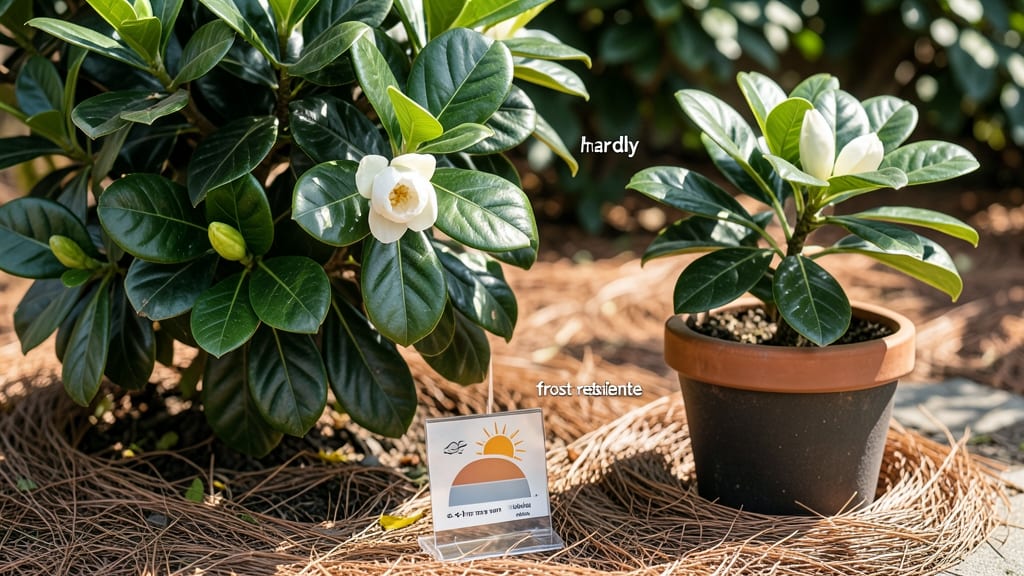
The frost-proof gardenia sun requirements demand 4 to 6 hours of morning sun to bloom reliably while avoiding the harsh afternoon heat that can scorch their delicate leaves.
If you’ve ever watched your gardenia’s buds drop just as they’re about to open—or worse, seen its leaves turn crispy by midday—you’re not alone.
The key to keeping these fragrant shrubs thriving in colder climates isn’t just picking the right variety (like the hardy 'Kleim’s Hardy'); it’s mastering the balance between sunlight and frost protection.
In USDA Zone 9b and beyond, gardenias (🌸) crave bright, indirect light but despise the intense rays of a southern exposure.
That means positioning them where they catch gentle morning warmth while escaping the afternoon’s brutal glare—a trick that makes all the difference between sparse blooms and lush, fragrant clusters year-round.
Below, I’ll break down exactly how to adjust their sun exposure by season, spot the warning signs of too much (or too little) light, and keep your frost-proof gardenia blooming like a pro—even when winter rolls in.

Optimal sunlight hours for frost-proof gardenias to flourish
Frost-proof gardenias like Gardenia jasminoides 'Kleim’s Hardy' and 'Radicans' are game-changers for cold-climate gardeners, but their sun needs differ from tropical varieties. These hardy shrubs thrive with 4-6 hours of filtered sunlight daily, but the timing matters just as much as the duration.
Too much direct afternoon sun can scorch leaves, while insufficient light leads to sparse blooms and weak stems. Let’s break down the ideal light conditions for each frost-resistant variety to keep your gardenias flourishing year-round.
Morning sun is your best friend for frost-proof gardenias. The gentle early sunlight (6 AM–10 AM) provides energy without overheating the plants. In USDA Zones 7-9, where temperatures dip but rarely stay frozen, this strategy prevents bud drop—a common issue when gardenias struggle to balance light and cold tolerance.
For example, 'Radicans' handles slightly more sun than 'Kleim’s Hardy', but both benefit from afternoon shade, especially in summer.
Here’s a quick reference for sunlight needs by variety, including how to adapt for transitional climates where frost and heat fluctuate:
| Variety | Sunlight Needs | Best Placement | Notes |
|---|---|---|---|
| Gardenia jasminoides 'Kleim’s Hardy' | 4-5 hours morning sun | East-facing bed or patio | Most frost-resistant; avoid hot afternoon sun |
| Gardenia jasminoides 'Radicans' | 5-6 hours filtered light | South-facing with dappled shade | Tolerates slightly more sun; prune for airflow |
| Gardenia augusta 'Veitchii' | 3-4 hours morning sun | North or east exposure | Best for cooler climates; needs winter protection |
For transitional climates (like Zones 7-8), where frost and heat alternate, I recommend using lattice screens or sheer fabric to filter harsh afternoon rays during summer. This mimics the natural dappled shade gardenias prefer in their native habitats.
For example, in Zone 7b, I’ve seen 'Kleim’s Hardy' thrive under a 50% shade cloth when afternoon temps exceed 85°F. Without this protection, leaves develop brown edges and buds fail to open.
If you’re growing frost-proof gardenias in containers, their sun needs shift slightly. Potted plants dry out faster and overheat more easily, so I move mine to a shadier spot by midday during peak summer. Use a lightweight grow bag to protect roots from temperature swings.
For instance, a 15-gallon pot of 'Radicans' in full morning sun may need afternoon shade even in Zone 8, where afternoon heat can spike quickly.
One common mistake is assuming "more sun is better." While gardenias need light to bloom, excessive direct sun—especially in summer—causes leaf scorch and bud drop. I’ve seen gardeners in Zone 9 struggle with this when planting near south-facing walls.
The solution? Reflective mulch (like white gravel) or a light-colored paint on nearby structures to bounce back some light while reducing heat stress. This trick works wonders for 'Veitchii', which is more sensitive to heat.
Seasonal adjustments are key. In spring and fall, when temperatures are mild, gardenias handle up to 6 hours of sun without issue. But by late June, I reduce exposure to 3-4 hours of morning sun for 'Kleim’s Hardy' in my Zone 7 garden.
This prevents the yellowing leaves and stunted growth I’ve seen in overheated plants. A simple way to monitor this is to check the undersides of leaves: if they’re pale or crispy, it’s a sign of too much sun.
For gardeners in urban areas, where buildings and pavement create microclimates, pay attention to heat reflection. A gardenia planted near a dark asphalt driveway may need only 3 hours of sun due to radiant heat. Test your spot by placing a thermometer near the soil at noon.
If it reads above 90°F, provide afternoon shade. In contrast, a gardenia in a cool, shady courtyard might need supplemental grow lights in winter to trigger blooming.
Pro tip: Prune strategically to control sun exposure. Thin out dense foliage in late winter to allow airflow and light penetration. This is especially helpful for 'Radicans', which can get leggy if overcrowded. Aim to keep the inner canopy open so all branches receive even, indirect light.
I also recommend mulching with pine needles to retain moisture and mimic the acidic soil gardenias love—this doubles as a natural sun filter in hot afternoons.
With the right sunlight balance, your frost-proof gardenias will reward you with fragrant blooms from spring to fall, even in colder zones. Start by matching your variety to its ideal light conditions, then adjust for your local climate.
Soon, you’ll be the neighbor with the year-round gardenia perfume everyone admires! 🌸
How to adjust sun exposure for frost-proof gardenias in different climates
Frost-proof gardenias like Gardenia jasminoides 'Kleim’s Hardy' thrive in USDA Zones 7-9, but their sun exposure needs shift dramatically with the seasons. In winter, they crave gentle sunlight to avoid frost damage, while summer demands protection from scorching afternoon rays.
The key is creating a dynamic light environment that mimics their natural tropical origins while adapting to your local climate.
I’ve learned through trial and error that microclimates and simple tools like burlap wraps can make all the difference. For example, my Zone 8 gardenia blooms prolifically in spring when placed near the east-facing wall, but struggles by mid-afternoon when the sun shifts west.
Let’s break down how to fine-tune sunlight for each season to keep your gardenia blooming year-round.
- Winter (Zones 7-8): 3-4 hours of morning sun + burlap wrap for frost protection. Use south-facing walls to capture gentle winter light without cold winds.
- Spring/Fall: 4-6 hours of partial shade (e.g., dappled shade cloth at 30-50% coverage). Transition gradually to avoid bud drop from temperature swings.
- Summer (Zones 8-9): Morning sun only (6 AM–12 PM) + afternoon shade. Prune nearby trees to create filtered light and reduce leaf scorch.
- Heatwaves: Move potted gardenias to shadier spots or use white shade cloth (70% block). Mulch heavily to cool roots during extreme heat.
- Seasonal Transition Tip: Rotate plants 180° every 2 weeks to ensure even growth and prevent one-sided exposure.
In Zone 7, where frosts linger longer, I’ve had success creating a mini greenhouse effect by wrapping gardenias in burlap sacks during cold snaps. This traps just enough heat while still allowing light penetration.
Pair this with a south-facing microclimate—like near a brick wall or under a deciduous tree—to extend the growing season by 2-3 weeks.
For Zone 9 gardeners, the challenge shifts to heat mitigation. Direct afternoon sun (after 2 PM) can cause leaf burn and bud abortion. My solution? Install a removable shade sail or plant fast-growing vines like clematis nearby to provide natural shade.
Even 1-2 hours of afternoon relief can prevent stress during peak summer.
Don’t forget to monitor your gardenia’s foliage color as a quick health check. Yellowing leaves often signal too much sun, while dark green but sparse blooms may mean insufficient light. Adjust gradually—sudden changes can shock the plant, especially in transitional seasons like spring and fall.
With these adjustments, your frost-proof gardenia will reward you with continuous blooms, even in colder zones. The secret lies in flexibility: treating sunlight as a seasonal resource rather than a fixed rule.
Start small, observe your plant’s response, and fine-tune as you go—your gardenia will thank you with fragrant, lush flowers all year.