
Shrubs
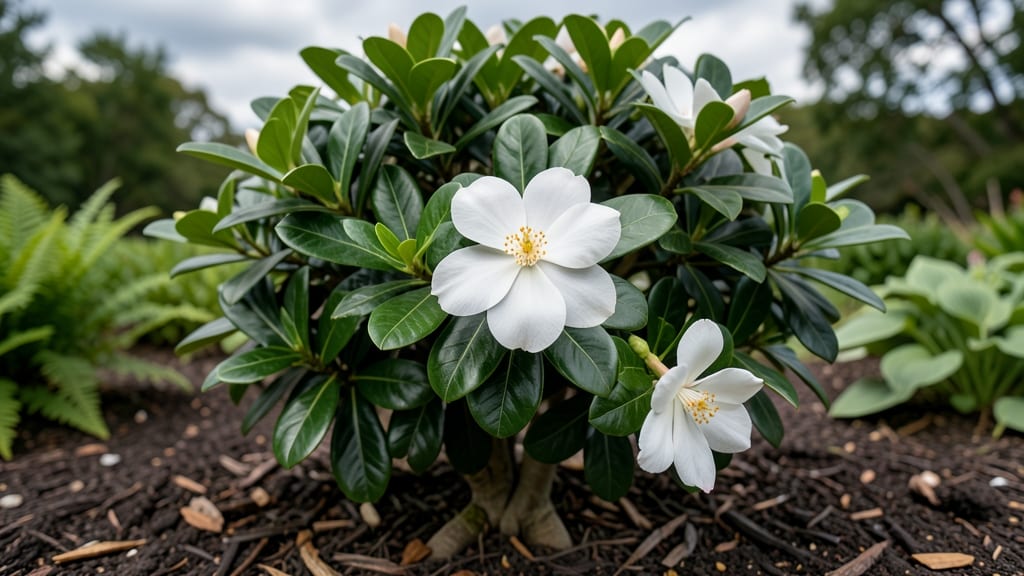
A full grown gardenia 🌸 can be the crown jewel of your garden—if you know how to care for it after it’s reached maturity.
Picture this: your gardenia is lush, fragrant, and covered in creamy-white blooms, but you’re still left wondering why it’s not thriving like your neighbor’s. The secret? Pruning, watering, and feeding it the right way at the right time.
Once established, gardenias need consistent moisture, partial shade, and a feeding schedule that matches their blooming cycle. Skip the guesswork—this guide breaks down exactly what your mature plant needs to stay healthy and bursting with flowers all season.
From when to trim for maximum blooms to fixing yellowing leaves, you’ll learn the pro tips that keep gardenias lush, fragrant, and full of life for years to come.
When and how to prune a full grown gardenia for maximum blooms
Pruning your full grown gardenia at the right time can double—or even triple—your flower production while keeping the plant healthy and compact. The key lies in understanding the science behind timing and using precise techniques to avoid stressing the shrub.
Gardenias bloom on old wood, meaning last year’s growth produces this year’s flowers, so pruning too aggressively can reduce blooms. Let’s dive into the best practices to keep your gardenia thriving and fragrant.
First, identify the ideal pruning window for your climate zone. In USDA Zones 6-8, late winter to early spring (just before buds swell) is perfect. For Zones 9-10, prune after flowering in late summer or early fall.
This timing ensures you’re not cutting off next year’s blooms while still shaping the plant for aeration and sunlight penetration. Avoid pruning in winter, as the plant is dormant and more vulnerable to damage.
Step-by-Step Pruning Guide for Full Grown Gardenias
- 1 Inspect the plant for dead or diseased branches. Look for branches that are brown, brittle, or without leaves. These should be removed first, as they drain energy from healthy growth.
- 2 Use sharp, sterilized pruners to make clean cuts at a 45-degree angle, about ¼ inch above a leaf node. This encourages new growth and prevents water from pooling on the cut.
- 3 Shape the gardenia by trimming overgrown branches back to healthy buds or stems. Avoid cutting more than ⅓ of the plant’s foliage in one session to prevent shock.
- 4 Remove suckers (shoots growing from the base) and water sprouts (fast-growing vertical stems). These compete with flower production and weaken the plant.
- 5 Clean up by removing all pruned debris from the base of the plant. This reduces the risk of fungal diseases and pests.
- 6 Apply a light layer of mulch (2-3 inches) around the base to retain moisture and regulate soil temperature. Use acidic mulch like pine bark or composted leaves.
One of the most common mistakes gardeners make is pruning at the wrong time, such as during the active blooming season (spring to summer). Cutting back too late can remove next year’s flower buds, which form on current season’s growth.
Another error is using dull or dirty pruners, which can tear branches and introduce bacterial infections. Always sterilize your tools with rubbing alcohol or a 10% bleach solution before and after pruning.
Visual cues can help you determine if your gardenia needs pruning. Look for overcrowded branches that block sunlight from reaching the center of the plant, or leggy growth where stems stretch too far without leaves.
These signs indicate it’s time to thin out the canopy and encourage a fuller, bushier shape. Additionally, if you notice fewer blooms than usual, pruning may be necessary to stimulate new growth.
After pruning, monitor your gardenia closely for signs of stress or recovery. New growth should appear within 4-6 weeks, and you may see more buds forming by next blooming season.
If you notice yellowing leaves or dropping buds, it could indicate over-pruning or nutrient deficiency. In this case, reduce watering slightly and apply a balanced, acidic fertilizer to support recovery.
For large, mature gardenias (6-10 feet tall), consider pruning in stages over 2-3 years to avoid shocking the plant. Focus on one section at a time, such as the top third or one side, and gradually work your way around the shrub.
This method helps maintain flower production while still achieving a neat, manageable shape. Patience is key—rushing the process can lead to reduced blooms and weakened growth.
In warmer climates (Zones 9-10), you can prune gardenias year-round, but timing still matters. Prune lightly after flowering to encourage a second flush of blooms in fall. Avoid heavy pruning in late summer, as this can delay bud formation for the next season.
Always prioritize health over aesthetics—a slightly less manicured gardenia that blooms abundantly is far more rewarding than a perfectly shaped but barely flowering shrub.
To keep your gardenia thriving after pruning, maintain consistent care. Water
Gardenias after pruning: essential care for recovery and long-term health
After pruning your full grown gardenia, the real work begins. Your plant needs careful attention to recover properly and avoid stress-related issues like yellowing leaves or bud drop.
Think of this phase as giving your gardenia a spa treatment—it’s all about hydration, nutrients, and gentle adjustments to help it bounce back stronger than ever.
First, focus on watering deeply right after pruning. Your gardenia’s roots are now exposed and vulnerable, so provide 1-2 gallons of water per plant to replenish moisture lost during the process. This is especially critical in hot climates where evaporation happens quickly.
⚠️ WARNING: Avoid Overwatering Your Pruned Gardenia Pruning creates fresh wounds that can invite fungal infections if the soil stays too wet. While your gardenia needs consistent moisture, soggy soil is just as harmful as drought.
Use your finger to check soil moisture—water only when the top 1-2 inches feel dry. Mulch with 2-3 inches of organic matter (like pine bark) to retain moisture while preventing root rot. Avoid heavy mulch piles directly against the trunk, as this can trap moisture and cause rot.
Monitor for yellowing leaves, which may signal overwatering or poor drainage.
Next, hold off on fertilizing for 4-6 weeks post-pruning. Your gardenia is already stressed from the trimming, and fresh fertilizer can burn its roots or encourage weak, leggy growth. Instead, use a balanced, acidic fertilizer (like 10-10-10) diluted to half-strength once new growth appears.
Look for dark green leaves and plump buds as signs your gardenia is ready for nutrients.
Adjust your gardenia’s sunlight exposure temporarily to help it recover. While gardenias thrive in partial shade, newly pruned plants benefit from light shade (like 50% sun coverage) for the first 2-3 weeks.
This reduces stress on the plant while it regenerates. Gradually reintroduce morning sun as new growth hardens off—aim for 2-4 hours of direct sun daily by week 4.
Keep an eye out for pests and diseases during recovery. Pruned gardenias are more susceptible to aphids, spider mites, and fungal spots. Spray leaves with neem oil or insecticidal soap weekly if you spot pests.
For fungal issues, apply a copper fungicide and improve airflow around the plant by thinning dense foliage. Healthy recovery means your gardenia will reward you with abundant blooms next season.
Finally, resist the urge to prune again for at least 6-8 weeks. Let your gardenia focus on healing and producing new growth. If you notice dead branches or overcrowded stems later, you can do light maintenance pruning—but avoid heavy cuts.
Patience now means a fragrant, bushy gardenia that thrives for years to come. 🌿