
Tools
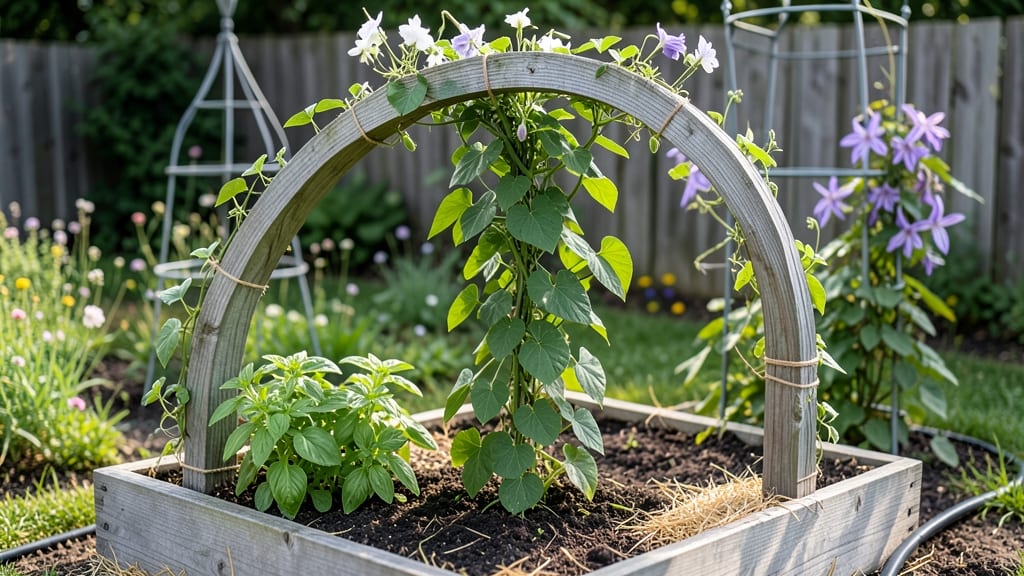
Transforming your garden bed with trellis ideas for climbing plants can double your growing space while adding a stunning vertical element to your landscape.
Picture this: instead of sprawling vines competing for ground space, your Clematis 🌿 and other climbers gracefully spiral upward, creating a lush, organized display that’s both functional and beautiful. The right trellis doesn’t just save space—it turns your garden into a thriving, eye-catching masterpiece.
Whether you’re working with a small urban plot or a sprawling backyard, the key is choosing a trellis that matches your plants’ needs and your design vision. From rustic wooden arches to sleek metal obelisks, there’s a structure for every style and budget.
Below, I’ll show you 10 space-saving trellis designs, the best materials for durability, and how to install them without disrupting your garden’s flow—so you can grow more without growing the mess.
10 Space-saving trellis designs for garden beds (with plant pairing tips)
Transforming your garden vertically doesn’t mean sacrificing beauty or productivity. With the right garden bed trellis ideas, you can guide climbing plants upward while maximizing your limited space. Whether you're growing cucumbers, roses, or pole beans, trellises create stunning focal points and improve air circulation.
The key is choosing a design that matches your plants' growth habits and your garden's layout.
I’ve tested these 10 trellis designs in my own beds, pairing them with plants that thrive together. From rustic teepee structures for beans to elegant arches for climbing roses, each option offers unique benefits.
You’ll also learn how to position trellises for optimal sunlight exposure and companion planting strategies that boost yields and deter pests.
| Trellis Type | Best For | Plant Pairings | Ideal Placement | Space Saved |
|---|---|---|---|---|
| Teepee Trellis | Pole Beans, Peas, Morning Glories | Bush Beans, Lettuce, Radishes | Corner of bed | 30-50% |
| Obelisk Trellis | Cucumbers, Squash, Malabar Spinach | Basil, Marigolds, Nasturtiums | Center of bed | 40-60% |
| A-Frame Trellis | Peas, Pole Beans, Sweet Peas | Carrots, Onions, Spinach | Along bed edge | 25-40% |
| Arched Trellis | Clematis, Roses, Wisteria | Lavender, Thyme, Catmint | Bed entrance or path | 50-70% |
| Cage Trellis | Tomatoes, Peppers, Eggplants | Bush Cucumbers, Zucchini | Individual plant spots | 15-30% |
| Lattice Panel | Grapevines, Kiwi, Passionfruit | Strawberries, Herbs | Vertical garden wall | 60-80% |
| Spiral Trellis | Sweet Peas, Morning Glories | Radishes, Lettuce | Small bed corners | 30-45% |
| Fan Trellis |
DIY trellis materials: budget-friendly vs. premium options comparedChoosing the right trellis material transforms your garden bed from functional to fabulous. Whether you're growing cucumbers or clematis, the material affects durability, cost, and even how your plants climb. I’ve tested four popular options—bamboo, PVC, metal, and wood
For budget-friendly solutions, bamboo and PVC stand out with minimal upfront costs and easy assembly. But if you’re investing in long-term durability, metal or treated wood might be worth the splurge. Let’s break down the pros and cons so you can pick the perfect fit for your garden. If you’re working with a tight budget, bamboo is my top pick for its affordability and natural appeal. For a low-maintenance option, PVC is hard to beat—it resists rot and pests, making it ideal for container gardens or raised beds. Just be prepared for a less rustic look. For long-term durability, metal trellises are unbeatable. They won’t rust or warp, and they handle heavy climbers like clematis or passionflowers with ease. The downside? They can get pricey, and their sleek design might not match every garden aesthetic. If you love a natural wood vibe, cedar or redwood are excellent choices—they resist rot better than pine and age beautifully. Assembling your trellis is simpler than you think. For bamboo, use zip ties or twine to secure poles together. PVC trellises often come with pre-drilled holes, so you just need a saw and connectors. Metal trellises usually require basic tools like screws or bolts, while wood trellises may need sanding and staining for a polished finish. Always secure your trellis to the ground or bed frame to prevent toppling during storms. Pro tip: Pair your trellis material with the right plants. Lightweight bamboo works well for beans or cucumbers, while heavy-duty metal supports heavy vines like wisteria. And if you’re growing delicate flowers like sweet peas, a wooden lattice adds a charming, soft look. |