
Outdoor Raised Garden Bed Ideas: Space-Saving Layouts for Small Yards

Tools

Outdoor Raised Garden Bed Ideas: Space-Saving Layouts for Small Yards

Outdoor raised garden bed ideas transform small outdoor spaces into productive, stylish growing areas that work harder than traditional in-ground plots.

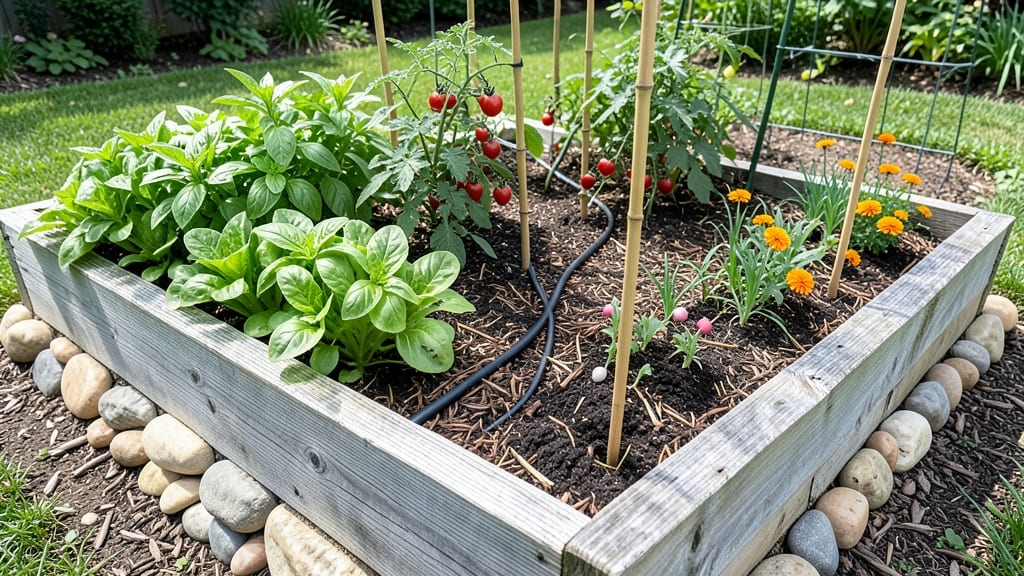
Picture this: a 4-foot-by-8-foot bed packed with herbs, greens, and cherry tomatoes—all within arm’s reach from your patio. That’s the magic of smart design, where vertical layers, corner cuts, and modular systems turn even the tightest yards into lush, efficient gardens.

Beyond saving space, these beds solve common headaches like poor soil, weeds, and drainage while keeping your back happy with raised heights. Whether you’re working with a balcony, a postage-stamp yard, or a sprawling backyard, the right layout turns limitations into opportunities.

In this guide, I’ll walk you through 10 space-saving designs, material choices that last (without breaking the bank), and plant pairings that maximize every square inch—so you can grow more with less fuss.

10 Space-saving raised garden bed layouts for small yards

Transforming your small yard into a productive garden starts with smart raised bed layouts. These designs maximize vertical space and corner efficiency while keeping maintenance simple. Whether you have a balcony patio or a sunny alleyway, there’s a solution that fits your space and growing goals.

Raised beds solve common urban gardening challenges like poor soil quality and limited sunlight. By elevating your plants, you create better drainage and warmer soil—ideal for cool climates or shady spots. Plus, the elevated height reduces back strain, making gardening more accessible for everyone.

Below, I’ve curated 10 innovative layouts that prove you don’t need a large plot to grow a bountiful harvest. Each design includes plant pairing suggestions to optimize space and companion benefits. Let’s dive into the details!

Layout Name Space Needed Best For Plant Pairings Sunlight Needs
Vertical Stacking 4' x 4' footprint Balconies, patios Herbs (basil, parsley) + cherry tomatoes + lettuce 6+ hours
Tiered Waterfall 3' x 3' footprint Sunny corners Strawberries (top) + radishes + spinach (bottom) 4-6 hours
Spiral Herb Garden 2' diameter circle Kitchen gardens Mint, thyme, rosemary + chives Full sun to partial shade
Corner Pocket 2' x 2' L-shape Tight alleyways Peppers + bush beans + carrots 6+ hours
Modular Grid Customizable squares Urban rooftops Kale + zucchini + nasturtiums Full sun
Keyhole Design 3' x 3' with central compost hub Sustainable gardens Sweet potatoes + okra + marigolds 6+ hours
Pallet Planter Recycled pallet (4' x 2') Budget-friendly spaces Green onions + Swiss chard + basil 4-6 hours
Window Box Extension 1' x 3' (attached to window) Indoor-outdoor transitions Dwarf tomatoes + parsley + snap peas 6+ hours
Hanging Pocket Planters

How to choose the best materials for durable raised beds

Building a raised bed is an investment in your garden’s future, and the materials you choose determine longevity, aesthetics, and maintenance. Whether you’re working with a tight budget or splurging on premium options, each material has unique trade-offs.

I’ve tested wood, composite lumber, metal, and bricks to help you decide what’s best for your outdoor raised garden bed ideas.

Your first consideration should be durability. Wood and composite lumber are popular for their natural look, but metal and bricks offer long-term resilience against rot and pests. For example, cedar wood resists decay better than pine, while galvanized steel never rots but can rust over time.

Let’s break down the pros and cons to help you make an informed choice.

Material Comparison for Raised Beds

Wood (Cedar/Pine)

  • ✅ Pros: Affordable, natural look, easy to assemble
  • ✅ Pros: Good insulation for roots
  • ❌ Cons: Requires sealing/staining
  • ❌ Cons: Prone to rot and pests (5-10 years lifespan)

Composite Lumber

  • ✅ Pros: Resistant to rot/pests (20+ years)
  • ✅ Pros: Low maintenance (no sealing)
  • ❌ Cons: Higher upfront cost
  • ❌ Cons: Can get hot in sun (may need shade)

Metal (Galvanized Steel)

  • ✅ Pros: Extremely durable (20+ years)
  • ✅ Pros: Modern, industrial look
  • ❌ Cons: Can rust over time
  • ❌ Cons: Retains heat (may need insulation)

Bricks/Stone

  • ✅ Pros: Nearly indestructible (50+ years)
  • ✅ Pros: Rustic, high-end aesthetic
  • ❌ Cons: Heavy and labor-intensive
  • ❌ Cons: Expensive materials/labor

For budget-friendly options, untreated cedar or pine wood is a classic choice. Cedar naturally resists rot, while pine is cheaper but requires annual sealing to prevent decay. If you’re willing to invest upfront, composite lumber or galvanized steel will save you time and hassle in the long run.

My go-to recommendation for durability is composite lumber—it mimics wood’s appearance but lasts decades without maintenance.

Consider your garden’s aesthetic theme when selecting materials. Cedar and bricks offer a rustic charm, while metal and composite lumber lend a modern, sleek look. For example, a brick-lined bed pairs beautifully with cottage-style gardens, whereas galvanized steel adds an urban touch.

Don’t overlook the visual impact of your raised beds—they’re a focal point in your outdoor space!

Think about maintenance requirements too. Wood needs sealing every 1-2 years, while metal may require occasional rust treatment. Composite and bricks are nearly hands-off once installed. If you’re short on time, prioritize materials that reduce long-term upkeep, like composite lumber or bricks.

My lazy gardener’s pick is composite—it’s like having a permanent raised bed with zero fuss.

Pro tip: If you love the look of wood but hate the maintenance, try cedar fence pickets for the sides. They’re affordable, rot-resistant, and easy to replace if needed. For extra durability, line the inside of your bed with landscape fabric to prevent soil from leaking through gaps.

This small step can extend the life of any material by years!

★★★★★4.5(5 reviews)
Categories Tools