
Tools
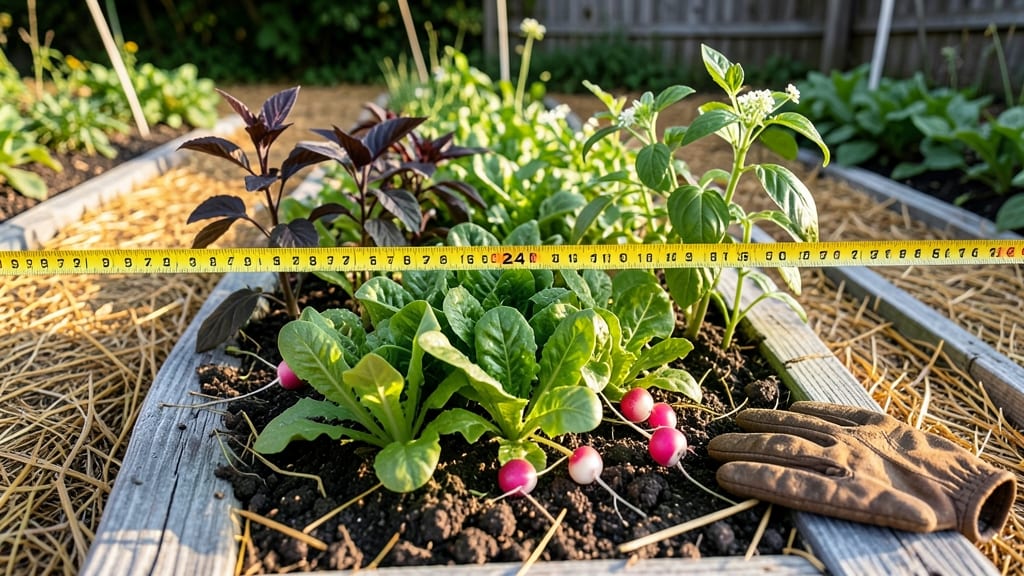
The right garden bed width can transform your gardening game—whether you're growing veggies, herbs, or flowers, dimensions matter more than you think.
Picture this: you're knee-deep in weeding, arms stretched wide, only to realize your 4-foot bed is just too far to reach the center without stepping in. Or worse, your 6-foot monster blocks sunlight from the middle plants. These aren’t just annoyances—they’re design flaws that cost you yield, health, and sanity.
Here’s the good news: the perfect width isn’t a mystery. Science-backed spacing, ergonomic reach, and sunlight rules mean your beds can be productive, easy to maintain, and tailored to your space—whether you’re working with a tiny balcony or a sprawling backyard.
Below, I’ll break down the 4 key dimensions that make all the difference.
You’ll learn why 3–4 feet is the sweet spot for most gardens, how to adjust for walkways, and when to break the rules for specialty crops. No more guessing—just smarter, stress-free gardening.
Optimal garden bed width for plant spacing and accessibility
When designing your garden beds, the width you choose can make or break your planting success. A bed that’s too wide forces you to stretch across it, risking soil compaction and poor plant health. Meanwhile, beds that are too narrow waste space and sunlight.
The ideal garden bed width balances reachability, sunlight penetration, and plant spacing—typically landing between 3 to 4 feet for most gardeners. This range ensures you can comfortably reach the center without stepping on the soil, while also allowing enough space for airflow and root development.
For raised beds, the standard width is often 4 feet—perfect for reaching the middle from either side without disturbing the soil. In-ground beds, however, can stretch slightly wider (up to 5 feet) if you’re willing to step inside occasionally, but this risks soil compaction.
The key is to avoid beds wider than 6 feet without pathways, as this forces you to trample plants or use heavy tools to maintain them. Your back—and your plants—will thank you!
One of the biggest mistakes gardeners make is ignoring walkway space between beds. Even if your beds are perfectly sized, cramming them together leaves no room to move comfortably with tools or harvest without disturbing plants.
Aim for at least 2 to 3 feet of walkway between beds to allow easy access. This also improves air circulation, reducing the risk of fungal diseases like powdery mildew, which thrive in crowded, humid conditions.
For herb gardens or small vegetables like lettuce and radishes, a 3-foot width is often ideal. This narrow width maximizes sunlight exposure to the center and makes it easy to snip herbs without disturbing neighboring plants.
Larger crops like tomatoes or peppers, however, may need a 4-foot bed to accommodate their mature size and sprawling habits. Always check the mature plant width of your crops before finalizing your layout.
Another critical factor is soil depth. Raised beds should be at least 6 to 12 inches deep to accommodate root systems, while in-ground beds benefit from 12 to 18 inches of loose, fertile soil.
Shallow beds limit root growth, leading to stunted plants and poor yields. If you’re planting deep-rooted crops like carrots or asparagus, prioritize depth over width to ensure they thrive.
Let’s talk about sunlight exposure. Plants at the edges of wide beds often receive more sunlight than those in the center, which can lead to uneven growth. For example, leafy greens like spinach or kale may bolt (go to seed prematurely) if center plants are shaded.
To mitigate this, rotate crops annually or interplant tall plants (like corn or sunflowers) with short plants (like beans or lettuce) to balance light distribution.
If you’re working with a small garden space, consider vertical gardening to maximize yield without sacrificing bed width. Trellises, cages, or espalier techniques allow you to grow vining plants like cucumbers or pole beans in narrow beds, freeing up ground space for other crops.
This approach is especially useful in urban gardens or patios where space is limited.
Finally, don’t overlook the ergonomic benefits of well-sized beds. Bending or reaching across a 5-foot bed can lead to back strain, especially as you age. By sticking to 3 to 4 feet, you’ll spend less time straining and more time enjoying your garden.
Plus, it’s easier to mulch, water, and fertilize efficiently when you can stand upright and move freely.
Ready to design your perfect garden beds? Start by sketching a layout with 3 to 4-foot widths, leaving 2 to 3 feet of walkway between them. Test your reach—if you can’t comfortably extend your arm to the center, adjust the width.
Your plants (and your back) will reward you with healthier growth and easier maintenance.
How bed width affects plant growth and maintenance
The garden bed width you choose directly influences how your plants grow, how easily you can maintain them, and even how healthy your soil stays long-term. A bed that’s too wide can block sunlight from reaching the center, while one that’s too narrow wastes space and makes weeding difficult.
For example, tomatoes and peppers need wider beds for sprawling roots, while herbs like basil thrive in compact spaces with better airflow.
Narrower beds (3–4 feet) allow sunlight to penetrate evenly, reducing the risk of fungal diseases in shaded areas. Meanwhile, wider beds (5–6 feet) force you to step on the soil, compacting it and disrupting root systems.
The key is balancing accessibility, sunlight exposure, and plant spacing based on the types of plants you’re growing.
Root development suffers in wider beds because the center soil stays damp longer, inviting root rot in moisture-loving plants like cucumbers or squash. Conversely, drought-resistant plants such as lavender or rosemary benefit from narrower beds, where their shallow roots can access moisture efficiently.
Always pair bed width with the watering needs of your plants—deep-rooted veggies need wider, looser soil.
Pest control is another critical factor. Wider beds create shady microclimates where slugs and snails thrive, while narrower beds dry out faster, deterring pests. For flower beds, a width of 2–3 feet keeps blooms airy and reduces mildew risks.
If you’re growing vegetables, aim for 4-foot beds with a 12-inch pathway—this lets you reach the center without stepping on the soil.
Watering efficiency also hinges on bed width. A 4-foot bed can be watered from one side, ensuring even moisture distribution, while a 6-foot bed may require two watering points. Use a soaker hose along the edges of wider beds to prevent overwatering the center.
For herbs and leafy greens, narrower beds (2–3 feet) reduce water waste by minimizing surface area.
Long-term soil health depends on how you manage bed width. Compacted soil from stepping on wide beds reduces aeration, while narrow beds encourage compost incorporation and mulching for better nutrient retention.
Test your soil annually—pH levels and organic matter vary by bed width, especially in raised beds where drainage differs from in-ground plots.
Adjust your bed width based on plant type: vegetables (4 feet), herbs (2–3 feet), and flowers (2–4 feet). For raised beds, keep widths under 4 feet to avoid center neglect. Start small, observe plant responses, and tweak as needed—your garden’s health depends on it! ✂️🌿💧