
Light Requirements
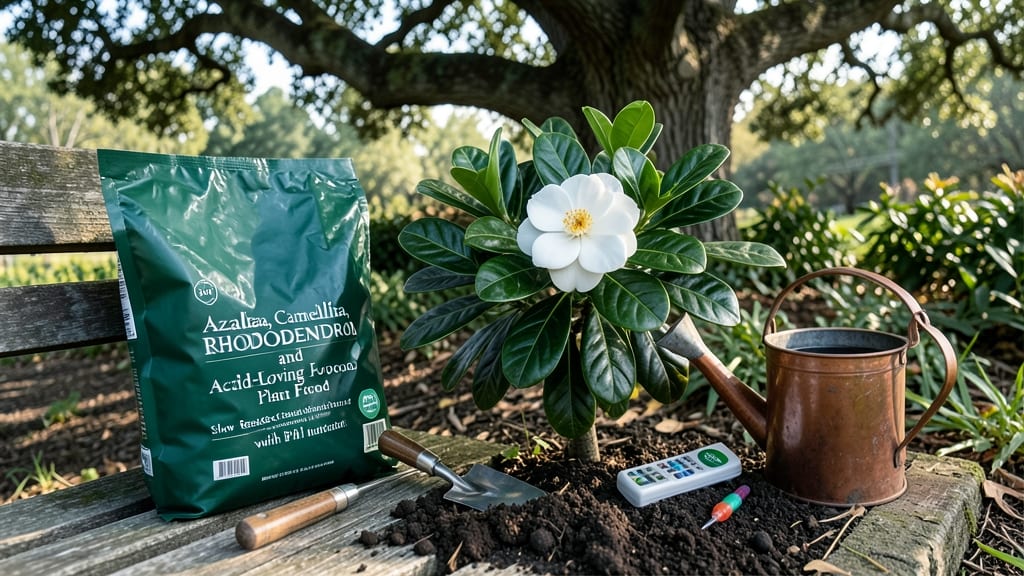
To keep your gardenia blooming with fragrant, lush flowers, you need to understand the gardenia fertilizer requirements—and timing matters just as much as the type.
Struggling to keep your gardenia blooming? The secret isn’t just water—it’s the right acidic fertilizer mix, timing, and soil conditions that transform a struggling plant into a fragrant, flower-filled beauty.
Gardenias thrive in USDA Zones 8-11 where the soil stays consistently moist and slightly acidic (pH 4.5–6.0). Too much fertilizer burns roots, while too little starves the plant of the phosphorus it needs for blooms. Balancing nitrogen, phosphorus, and potassium—along with micronutrients like iron—is the key to year-round fragrance.
In this guide, I’ll break down the best organic and synthetic fertilizers, how often to apply them, and the signs your gardenia is getting too much—or not enough—so you can enjoy perfect blooms every season.
Gardenia fertilizer requirements: soil pH, nutrient needs, and acid-loving plant essentials
If your gardenia shrubs look lush but refuse to bloom, the issue likely isn’t water—it’s soil acidity and nutrient balance. Gardenias thrive in acidic soil with a precise pH range of 4.5–6.0.
Without this, your plant struggles to absorb essential nutrients, leading to weak growth and sparse flowers. The right fertilizer mix can transform your gardenia into a fragrant, flower-filled beauty within a season.
Unlike many plants, gardenias demand low pH and specific N-P-K ratios (3-1-2) to encourage blooming. Too much nitrogen creates leafy growth at the expense of flowers, while insufficient phosphorus stunts root development. Let’s break down the exact soil conditions and nutrient needs your gardenias crave to unlock their full potential.
Your gardenia’s soil pH is the foundation of its health. Test your soil annually—most garden centers sell pH test kits for under $10. If your reading is above 6.0, amend with elemental sulfur (1/4 cup per plant) or pine needles to lower pH gradually.
For potted gardenias, use acid-loving plant mix and repot every 2–3 years to refresh nutrients.
When selecting a fertilizer, prioritize a balanced N-P-K ratio like 3-1-2 or 6-6-6, but with an emphasis on phosphorus to encourage blooming. Slow-release fertilizers (like Osmocote) are ideal—they feed your gardenia steadily without risking root burn.
For organic options, try fish emulsion (diluted to 10-1-10) or cottonseed meal, which also lowers soil pH over time.
Don’t overlook micronutrients like iron and magnesium. Yellow leaves with green veins? That’s classic iron chlorosis, common in alkaline soils. Apply chelated iron (like Iron Chelate 6%) every 3 months or use Epsom salt (1 tbsp per gallon of water) monthly during growing season.
These tweaks can revive a struggling gardenia in weeks.
For potted gardenias, mix 1 part slow-release fertilizer into the soil at planting, then top-dress with composted pine bark annually. This mimics their natural acidic habitat while providing a steady nutrient supply.
In-ground plants benefit from a spring and summer feeding schedule—apply fertilizer every 6–8 weeks, but skip winter applications entirely.
Watch for signs of over-fertilization, like brown leaf edges or stunted growth. If this happens, flush the soil with water to leach excess salts. Under-fertilized gardenias show up as pale leaves or no blooms.
Adjust your feeding routine based on your plant’s response—some gardenias need less fertilizer than others, especially in nutrient-rich soils.
Pro tip: Pair your fertilizer routine with regular pruning after blooming. This encourages bushier growth and more flowers next season. Trim back spent blooms and any leggy stems to redirect energy toward new growth.
Combine this with your acidic fertilizer strategy, and you’ll have a gardenia that’s the envy of the neighborhood.
🌸 Remember, gardenias are acid-loving divas—they demand attention to soil pH and nutrients, but the effort pays off in fragrant, show-stopping blooms. Start with the right fertilizer mix, monitor your soil’s acidity, and soon you’ll be rewarded with a shrub that’s as stunning as it is fragrant.
When and how to fertilize gardenias for maximum blooms: seasonal schedule and application tips
Timing your gardenia fertilizer is just as important as choosing the right mix. These acid-loving shrubs thrive when fed at the right moments—too early or late, and you’ll miss out on those fragrant blooms.
The key is aligning fertilization with your gardenia’s natural growth cycles, which peak in spring and summer. Skipping this step often leads to sparse flowers or leafy growth without blooms.
Most gardeners make the mistake of fertilizing year-round, but gardenias actually need a rest period in fall and winter. Over-feeding during dormancy stresses the plant and can cause root burn.
Instead, focus on spring kickstarts and summer maintenance to keep your gardenia lush and blooming. Let’s break down the exact schedule and methods to avoid common pitfalls.
- 1
- 2
- 3
- 4
Use a balanced acidic fertilizer (e.g., 6-6-6 or 8-4-12) to wake up roots. Apply 1 tbsp per plant every 4-6 weeks after new growth appears. Avoid high-nitrogen fertilizers—they promote leaves over blooms.
Shift to a high-phosphorus fertilizer (e.g., 5-10-5) to encourage blooming. Feed every 6 weeks in early morning or evening to prevent leaf scorch. Reduce water slightly after fertilizing to help nutrients absorb.
Only fertilize if your gardenia shows new growth. Use a slow-release fertilizer (like cottonseed meal) sparingly—½ tbsp per plant max. Stop fertilizing by late October to prepare for dormancy.
Gardenias in USDA Zones 8-11 may stay active, but avoid fertilizing. Focus on watering adjustments (every 7-10 days) and mulching to protect roots. Resume feeding only after last frost in spring.
Choosing between liquid fertilizers and granular options depends on your gardenia’s needs. Liquid fertilizers (like Miracid) are ideal for quick nutrient uptake during blooming season, while slow-release granules (e.g., Osmocote) reduce the risk of root burn and last longer.
For potted gardenias, liquid fertilizers are easier to control, but always dilute to half-strength to avoid salt buildup.
Watch for over-fertilization signs like yellowing leaves, crispy leaf edges, or stunted growth. These indicate too much salt or nitrogen. Under-fertilized gardenias show pale leaves, fewer blooms, or weak stems.
Adjust your schedule by cutting back on fertilizer or switching to a lower-nitrogen formula if you spot these issues.
Pro tip: Pair your fertilizer with organic matter like peat moss or compost to improve soil acidity naturally. This creates the perfect environment for your gardenia to thrive without relying solely on synthetic feeds.
With the right timing and balance, your gardenia will reward you with abundant, fragrant blooms year after year. 🌸