
Fertilization
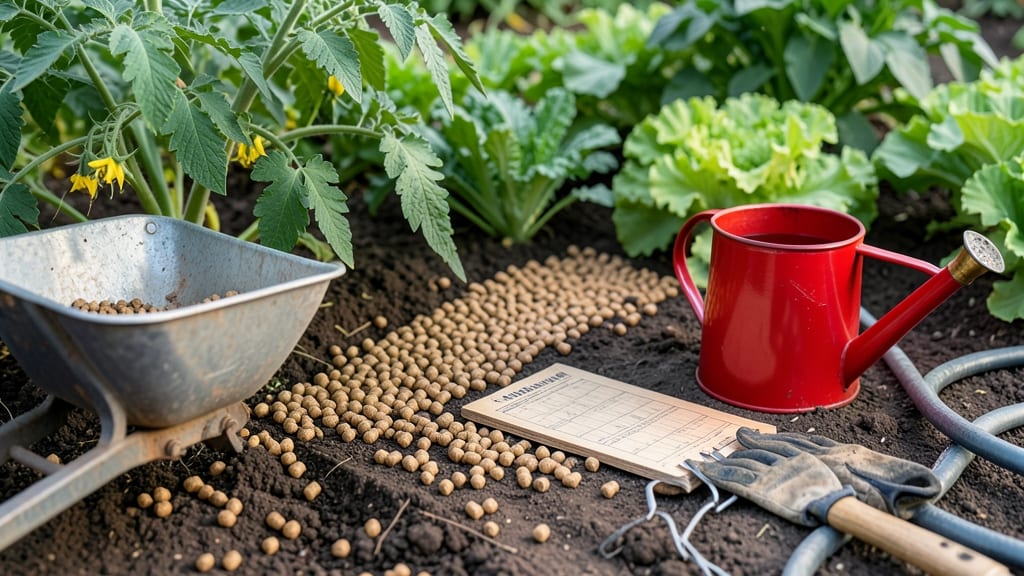
To apply fertilizer to your vegetable garden at the right time means feeding your plants when they need it most—whether that’s at planting, during rapid growth, or when they’re setting fruit 🥬.
Timing your fertilizer applications can mean the difference between a thriving vegetable garden and one that struggles to produce. But knowing when to feed your plants—and how much—is often the missing piece for gardeners aiming for maximum yield.
Most vegetables need a boost at planting, then again when they’re actively growing, but overdoing it can burn roots or lead to lush leaves with no fruit. Below, I’ll break down the best times to fertilize based on your plants’ growth stages, plus how to adjust for your climate zone.
You’ll learn how to read your soil, choose the right fertilizer for each phase, and avoid common mistakes that waste money and hurt your harvest.
Fertilizer timing by vegetable growth stages: pre-planting, early growth, and peak production
Understanding when to apply fertilizer to your vegetable garden is like knowing the perfect moment to water your plants—timing makes all the difference. Each vegetable has unique growth stages that demand different nutrients, and feeding them at the wrong time can lead to wasted fertilizer or stunted growth.
For example, a tomato plant needs phosphorus-rich fertilizer when it flowers, while leafy greens like spinach thrive with nitrogen-heavy feedings early on.
Most gardeners focus on the growing season, but the real secret lies in split feeding—applying fertilizer at three critical phases: pre-planting, early growth, and peak production. This approach ensures your plants get the right nutrients when they need them most, avoiding over-fertilization or nutrient deficiencies.
For instance, peppers and eggplants benefit from a balanced fertilizer at planting, while cucumbers and squash need a phosphorus boost as they start flowering.
Before you grab that bag of fertilizer, test your soil. A simple soil test kit (available at garden centers) will tell you if your soil is deficient in nitrogen, phosphorus, or potassium.
For example, if your soil is already rich in nitrogen, you’ll want to avoid overdoing it, especially for root vegetables like carrots or beets, which don’t need heavy nitrogen feedings. Organic fertilizers like compost or manure release nutrients slowly, while synthetic fertilizers provide an immediate boost—but timing is everything.
Let’s break down the three key stages for fertilizing your vegetable garden, with plant-specific examples to help you tailor your approach. Whether you’re growing tomatoes, peppers, or leafy greens, this guide will ensure your plants get the right fuel at the right time.
At the pre-planting stage, focus on enriching the soil with organic matter like compost or well-rotted manure. This is the time to incorporate a balanced fertilizer (like 10-10-10) into the soil, especially for heavy feeders like tomatoes and peppers.
For example, mix 1-2 cups of compost per square foot into the top 6 inches of soil before planting. If you’re using synthetic fertilizer, apply it according to the package instructions, usually 2-4 weeks before planting. This ensures nutrients are available as soon as your seedlings emerge.
During the early growth stage, your plants are focused on leafy growth, so they need a high-nitrogen fertilizer to support rapid foliage development. For leafy greens like spinach and lettuce, this is the most critical phase.
Use a fertilizer with a higher first number (like 30-10-10) and apply it 4-6 weeks after sprouting. Organic options like fish emulsion or blood meal work well here. Avoid overdoing it, though—too much nitrogen can lead to lush leaves but fewer fruits or vegetables.
For herbs like basil, a light feeding every 3-4 weeks keeps them thriving without overpowering their delicate flavors.
When your plants enter the peak production stage, they need a shift in nutrients to support flowering and fruiting. This is where phosphorus comes into play. A phosphorus-rich fertilizer (like 10-20-10) encourages root development and flower formation.
For tomatoes, apply this fertilizer when you see the first flowers appear, and repeat every 2-3 weeks. Peppers and eggplants also
Common fertilizer mistakes that kill yields (and how to avoid them)
Even the most experienced gardeners sometimes make fertilizer mistakes that sabotage their vegetable yields. One of the biggest errors is applying too much fertilizer at once, which can burn plant roots and stunt growth.
I’ve seen tomato plants with crispy brown edges after a heavy dose of synthetic nitrogen—something that could’ve been avoided with proper timing and dosage.
Another common mistake is using the wrong nutrient ratios for your crops. Leafy greens like spinach thrive on high nitrogen, while fruiting plants like peppers need more phosphorus and potassium. Matching the fertilizer to the plant’s needs is key to avoiding wasted resources and poor harvests.
Timing is everything—applying fertilizer at the wrong stage of growth can leave your plants struggling. For example, feeding flowering vegetables with too much nitrogen will delay fruit production. Let’s break down the most critical mistakes and how to fix them before your garden suffers.
If your plants show these symptoms, you’ve likely over-fertilized:
- 🔥 Burnt leaf edges (brown or yellow tips)
- 🌱 Stunted growth (plants stop growing despite good conditions)
- 💧 Yellowing leaves (especially older leaves)
How to Fix It:
- Flush the soil with water to leach excess nutrients.
- Reduce feeding frequency to every 8-10 weeks.
- Use diluted fertilizer (half-strength) for recovery.
One of my biggest lessons came from a pepper plant that stopped producing flowers after I fertilized it with a high-nitrogen blend during its flowering stage. The plant looked lush, but the fruit set was nearly zero.
This taught me to always check the NPK ratio and adjust based on the plant’s growth phase.
Another mistake is ignoring soil test results. If your soil is already rich in phosphorus but you add more, you’ll waste fertilizer and potentially harm beneficial microbes. Always test your soil before applying fertilizers—it’s a small step that saves time, money, and plant stress.
To keep your vegetable garden thriving, follow this simple fertilizer checklist:
- Test soil every 2-3 years to monitor nutrient levels.
- Match fertilizer to the plant’s growth stage (e.g., high nitrogen for leaves, balanced for fruiting).
- Split applications into 3-4 doses per season instead of one heavy feeding.
- Avoid fertilizing in extreme heat or drought—plants can’t absorb nutrients efficiently.
Remember, the goal is to feed your plants, not overwhelm them. A little patience and attention to detail will pay off with a bountiful harvest. Happy gardening! 🌱