
Pruning
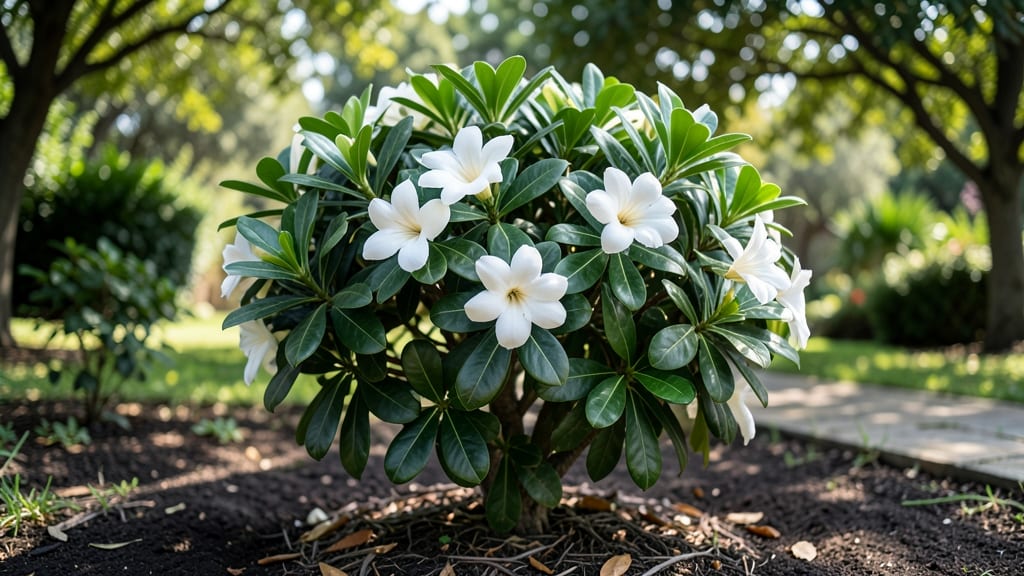
Controlling gardenia tree height 🌸 is all about balancing growth and blooms—whether you want a compact shrub or a towering specimen.
If your gardenia tree is growing taller than your fence—or shorter than your dream vision—you’re not alone. Mastering height control is the key to maintaining those fragrant blooms while keeping your plant at the perfect size for your space.
From dwarf varieties that stay under 4 feet to standard types reaching 15 feet, gardenia height depends on pruning, sunlight, and soil. I’ll break down how to manage growth without sacrificing those iconic white flowers.
Learn the best pruning techniques, when to trim for compact growth, and how to fix common mistakes that stunt your gardenia’s potential—so you get the height (and blooms) you want.

Natural factors affecting gardenia tree height and how to manage them
Your gardenia tree’s height isn’t just luck—it’s a mix of genetics, sunlight exposure, soil conditions, and seasonal rhythms. Understanding these natural factors lets you guide growth instead of reacting to surprises.
For example, a standard gardenia jasminoides can reach 10-15 feet in ideal conditions, while dwarf varieties stay compact at 2-4 feet. The key? Adjusting these four levers to match your vision.
Start with genetics, the foundation of your gardenia’s potential height. If you planted a dwarf variety, it’ll naturally stay shorter—no pruning can shrink it below its genetic limit. But even within varieties, rootstock influence matters.
For instance, grafted gardenias may grow taller than seed-grown ones due to stronger root systems. Always check your plant’s cultivar label to know its mature height range before adjusting other factors.
Sunlight exposure is the next big player in height control. Gardenias thrive in partial shade (4-6 hours of morning sun), but too much direct sun can stretch stems and make them leggy. I’ve seen gardenias in full sun grow 30% taller but with fewer blooms.
To manage this, place your tree where it gets filtered light or use a light shade cloth during peak afternoon hours. This slows vertical growth while keeping foliage lush.
Soil conditions directly impact nutrient uptake, which fuels height growth. Gardenias demand acidic, well-draining soil (pH 5.0-6.5). Compact or alkaline soil stunts roots, limiting upward growth. Test your soil’s pH—if it’s too high, amend with sulfur or peat moss. I once had a gardenia struggling in clay soil; after adding compost and pine bark fines, it grew 2 feet taller in one season with healthier blooms.
Seasonal changes also play a role, especially in tropical climates where gardenias grow year-round. In cooler zones (USDA 9b+), growth slows in winter, while spring and summer spur rapid height increases. To manage this, prune in late winter (just before new growth) to shape the tree before its growth spurt.
Avoid pruning in fall—this can leave cuts vulnerable to fungal diseases during damp months.
Now let’s break down these factors in a clear table to help you visualize how they interact and what adjustments to make:
Let’s dive deeper into soil conditions because this is where many gardeners miss the mark. Gardenias hate soggy roots, so well-draining soil is non-negotiable. If your gardenia’s growth stalls, check for waterlogged roots—this can shrink height by up to 50%.
To fix it, improve drainage by adding perlite or coarse sand to heavy soils. I once had a gardenia in a clay-heavy garden that barely grew; after amending the soil, it shot up 18 inches in six months.
Another often-overlooked factor is root competition. If your gardenia is planted too close to other deep-rooted plants (like oaks or pines), it’ll compete for nutrients and water, limiting its height. Give it at least 6 feet of space from other trees and 3 feet from shrubs.
This ensures it focuses energy on upward growth rather than spreading roots sideways. I learned this the hard way—my gardenia next to a leucadendron grew only 2 feet in two years until I transplanted it.
For seasonal management, timing is everything. In USDA Zone 9b, gardenias grow year-round, but their fastest height increase happens in spring and summer. To keep growth in check, I prune mine in late February, just as new buds form.
This encourages a bushier shape rather than a single tall stem. Avoid pruning in summer heat, as this can stress the plant and reduce bloom production—the whole point of growing gardenias!
Finally, don’t underestimate the power of fertilizer timing. Over-fertilizing in late summer can spur weak, leggy growth that collapses under its own weight. Instead, feed lightly in spring and early summer with a balanced, acidic fertilizer (like 10-10-10).
I’ve seen gardenias grow 4 feet taller in one season with proper feeding, but only if the soil pH is already correct. Always test your soil before fertilizing!
By mastering
Step-by-step pruning techniques to control gardenia tree height
Pruning your gardenia tree isn’t just about trimming branches—it’s an art of shaping growth while preserving those fragrant white blooms. The right technique keeps your plant at your desired height without sacrificing its health or flowering potential.
Whether you’re aiming for a compact shrub or a controlled tree form, timing and method matter most.
Before grabbing your shears, know that gardenias respond best to light pruning—never remove more than 25% of the foliage in one session. Over-pruning stresses the plant and can reduce blooms next season.
Start by identifying overgrown branches or those growing inward, as these are prime candidates for removal to encourage a neat, open canopy.
🌿 Step-by-Step Pruning Guide for Gardenia Height Control
- 1 Choose the right time: Prune in late winter or early spring (just before new growth starts) or right after blooming (summer). Avoid pruning in fall or winter when the plant is dormant.
- 2 Gather the right tools: Use sterilized pruning shears (for small branches) and sharp bypass pruners (for thicker stems). Wipe blades with rubbing alcohol between cuts to prevent disease spread.
- 3 Identify branches to remove: Cut back overly long branches to just above a leaf node (where new growth will sprout). Remove dead, crossing, or inward-growing branches first to improve airflow.
- 4 Make clean cuts: Angle cuts 45 degrees away from the branch collar (the swollen area at the base of the branch). Avoid leaving stubs, which invite pests and disease.
- 5 Shape for height control: To reduce height, cut top branches back by 1/3. For a bushier look, trim outer branches to encourage inward growth. Never "top" the plant (cut the very top) unless necessary.
- 6 Post-pruning care: Apply mulch around the base to retain moisture and fertilize lightly with an acidic, balanced fertilizer (10-10-10) to support new growth. Water deeply to help the plant recover.
After pruning, monitor your gardenia for new growth in 4-6 weeks. If you see sparse blooms the following season, you may have pruned too aggressively. Gardenias often bloom on old wood, so avoid heavy pruning in summer if you want fall blooms.
For dwarf varieties (like Gardenia jasminoides 'Kleim's Hardy'), prune more frequently to maintain their 2-4 ft height. Standard varieties can handle annual pruning to keep them between 6-10 ft.
Always step back and admire your work—your gardenia will thank you with healthier branches and more blooms! 🌸