
Tools
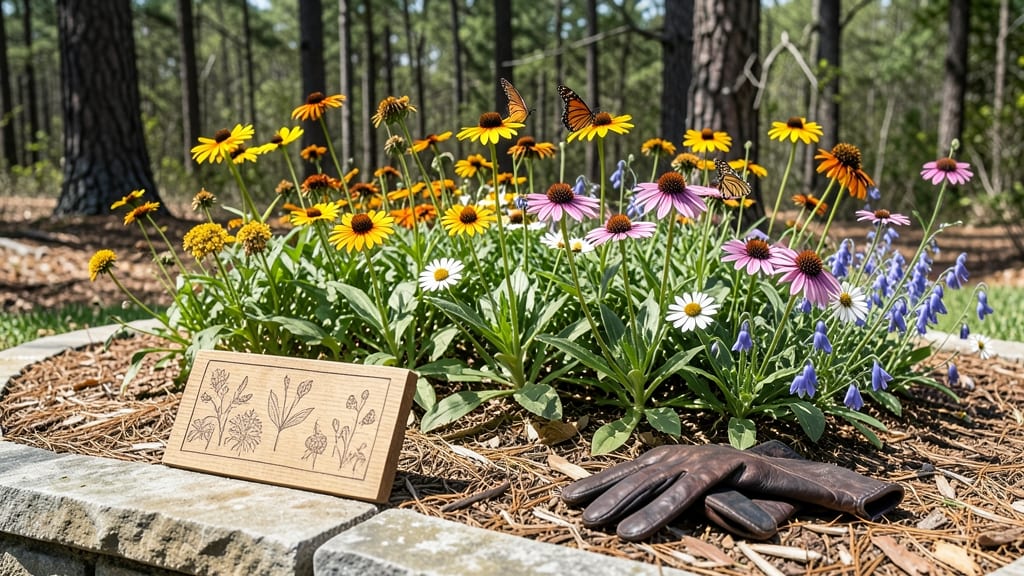
Gardening in Virginia thrives in USDA zones 3-8, with frost-free dates ranging from late March in the south to early June in the mountains. Choose plants suited to your zone and prepare for humid summers and varied soil types across the state.
Virginia's diverse geography creates unique gardening challenges and opportunities. 🌿 The state's USDA zones 3-8 mean you can grow everything from hardy perennials in the mountains to tropical-inspired plants in the coastal plains.
The key is understanding your specific microclimate—whether you're dealing with the Piedmont's moderate temperatures or the Shenandoah Valley's cooler nights. Soil composition varies dramatically too: sandy loam in the Tidewater gives way to clay-heavy soils in the Piedmont, requiring different amendments for optimal plant health.
Beyond zones, timing is everything. The 30-day difference between southern Virginia's early spring and the mountains' late frost dates means your planting schedule should shift accordingly. For example, while coastal gardeners can start tomatoes in late April, mountain gardeners should wait until mid-May.
This regional variation extends to pest pressure too—humidity levels create ideal conditions for fungal diseases in the south while drought stress becomes more common in western areas.
💡 In This Article
- Virginia’s USDA Planting Zones Explained
- Virginia Frost-Free Dates and Planting Calendar
Virginia’s USDA planting zones explained
Virginia’s gardening landscape spans an impressive range of USDA zones 3 through 8, creating microclimates that can feel like different states within the same backyard. The state’s geography—from coastal plains to mountainous regions—drastically alters temperature patterns.
For instance, zone 3 (withstanding -40°F winters) exists only in the highest Appalachian elevations, while zone 8 (mild winters around 10°F) dominates the Tidewater region. This 5-zone spread means a tomato plant hardy in Norfolk might freeze in Roanoke.
The elevation gradient is particularly critical. Every 1,000 feet gained in altitude drops temperatures by about 3.5°F, creating distinct growing seasons.
The Shenandoah Valley (zones 6-7) experiences cooler nights due to its bowl-like topography, while Piedmont cities like Richmond (zone 7b) benefit from urban heat islands that extend growing seasons by 1-2 weeks.
Soil composition compounds these differences—sandy coastal soils warm quickly in spring, while clay-heavy Piedmont soils stay cold longer, delaying planting by 2-3 weeks.
Understanding these zones directly impacts plant selection. Perennials like peonies thrive in zones 4-8, but mountain gardeners should choose varieties like 'Sarah Bernhardt' (zone 3 tolerant), while coastal gardeners can opt for heat-loving oleanders (zone 8).
Vegetables show similar sensitivity: Broccoli (cool-season) grows well in zones 3-7 but bolts in zone 8's heat, while Okra (warm-season) requires zone 7+ for reliable production. The zone map becomes your first tool for avoiding costly mistakes.
Frost patterns add another layer of complexity. In zone 7, the average last frost date might be April 15th, but mountain zones (6-3) can see frost as late as June 1st. This variability explains why tender annuals like basil often fail in high-elevation gardens unless started indoors.
The solution? Use hardiness zone maps combined with local weather records to calculate your true frost-free period—often 10-14 days longer than the USDA average suggests.
For practical application, consider these zone-specific strategies:
- Zone 3-4 (Mountains): Focus on cold-hardy perennials like coneflowers and extended-season crops (kale, spinach) that tolerate -20°F
- Zone 5-6 (Piedmont): Balance spring bloomers (daffodils) with heat-tolerant annuals (marigolds) for year-round color
- Zone 7-8 (Coastal): Prioritize drought-resistant plants (yarrow, lavender) and warm-season vegetables (peppers, eggplant) that thrive in humidity
What most gardeners overlook is how microclimates within zones can create entirely different growing conditions. A south-facing slope in zone 6 might warm enough for zone 7 plants, while a north-facing valley could require zone 5 selections.
This is why local extension office data—often 1-2 zones more precise than national maps—becomes invaluable for Virginia gardeners.