
Tools
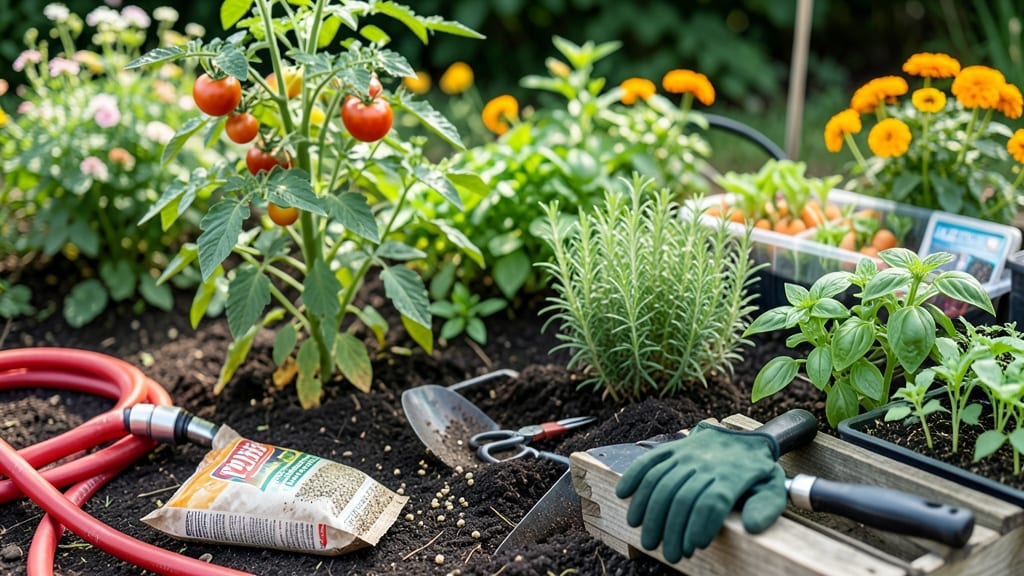
YouTube gardening videos provide free, expert-led tutorials for all skill levels, from basic seed starting to advanced pest management, with top channels like Epic Gardening and Garden Answer delivering structured playlists for hands-on learning.
These channels break down complex topics into digestible segments, often pairing visual demonstrations with clear explanations. 🌱 For example, Epic Gardening’s “Garden Answer” series organizes content by plant type, while Johnny’s Selected Seeds dives deep into organic techniques with field-tested advice.
Many creators also include troubleshooting segments—like diagnosing yellowing leaves or reviving overwatered plants—which solve common frustrations new gardeners face. The best part? You can pause, rewind, and revisit lessons whenever you need a refresher.
What sets the top channels apart is their ability to balance broad appeal with specialized content. Urban gardeners might gravitate toward “Urban Farm” channels, while hydroponics enthusiasts find detailed setups on “Growing Underground”.
Always check a channel’s upload frequency and viewer engagement (likes/comments) to gauge credibility—consistency and community interaction are strong indicators of reliable advice.
💡 In This Article
- How Top Gardening YouTube Channels Structure Their Content
- Best YouTube Gardening Channels for Specific Needs
How top gardening YouTube channels structure their content
Top gardening channels organize their content like a well-planned garden bed, with each video serving a specific purpose.
You’ll find three core formats: tutorials (step-by-step guides for tasks like pruning roses or building raised beds), troubleshooting segments (diagnosing issues like powdery mildew or root rot), and seasonal guides (preparing for spring planting or winterizing perennials).
For example, Epic Gardening uses a modular approach—each video is self-contained but links to related playlists, creating a learning ecosystem. This structure mirrors how expert gardeners break tasks into manageable steps, ensuring beginners don’t feel overwhelmed by complex projects.
The difference between beginner-friendly and advanced channels lies in depth vs. breadth. Channels like Garden Answer focus on fundamentals—soil prep, basic pruning, and pest identification—using simple language and close-up visuals.
In contrast, Johnny’s Selected Seeds dives into nuanced techniques, like soil pH adjustments or heirloom seed saving, with detailed graphs and scientific explanations. The key is how they chunk information: beginners get 5-minute overviews, while experts access 30-minute deep dives on topics like hydroponic nutrient balancing. 🌱
Search rankings aren’t just luck—top channels employ SEO strategies that make their videos easy to discover. They use keyword-rich titles (e.g., “How to Grow Tomatoes in Containers for Beginners”) and detailed descriptions with timestamps, tools lists, and links to related content.
Consistency matters too: channels that upload weekly (like Urban Farm) appear more frequently in YouTube’s algorithm, while niche specialists (like Growing Underground for hydroponics) target specific audiences with precision. This dual approach—broad appeal and niche focus—explains why some channels amass millions of subscribers while others thrive with dedicated followings.
Visual storytelling is another secret weapon. The best channels use split-screen comparisons (e.g., healthy vs. diseased plants) and time-lapse videos to show growth over weeks. For instance, Epic Gardening’s “Before & After” series highlights transformations in garden beds, making abstract concepts tangible.
This sensory-rich approach helps viewers retain information—studies show that videos with visual demonstrations increase knowledge retention by up to 75% compared to text alone. Even the pacing matters: tutorials often move at a moderate speed (about 120 words per minute), balancing detail without losing engagement.
Don’t overlook the community-driven elements that build trust. Channels like Garden Answer include comment sections with Q&A threads, where viewers ask follow-up questions and creators provide clarifications. This two-way interaction signals to YouTube’s algorithm that the content is valuable and relevant, boosting visibility.
Another pro tip: many channels cross-promote their videos by linking to social media (Instagram, Pinterest) or blog posts, creating a multi-platform learning hub. For example, Johnny’s Selected Seeds pairs YouTube tutorials with downloadable care guides, offering a hybrid learning experience that caters to different preferences.
Here’s how to spot a credible channel when browsing: look for consistent uploads (at least monthly), high engagement (likes/comments relative to views), and transparent sourcing (citing studies or expert collaborators).
Channels that avoid clickbait (e.g., “Secret Trick to Grow 10x Faster!”) and instead focus on evidence-based advice tend to be more reliable. For instance, Urban Farm often cites university extension services in their descriptions, adding authority. 💡