
Tools
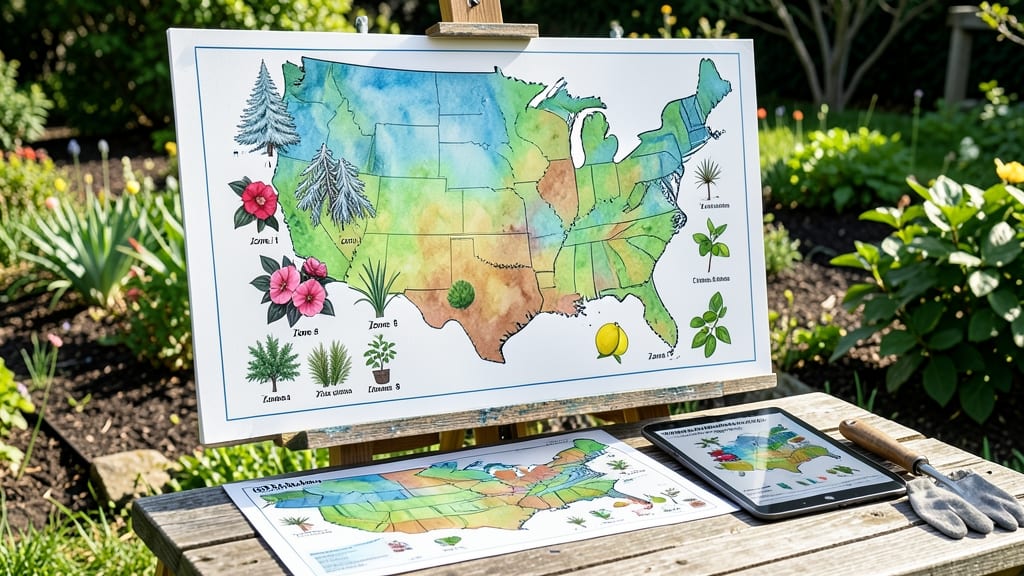
Understanding US gardening zones helps you plant at the perfect time for your region, where Zone 1's extreme cold delays planting until late spring while Zone 13's warmth allows year-round growth. Always match your USDA zone to seed packets and local frost dates for best results.
These zones, developed by the USDA, are based on average annual minimum temperatures and frost-free periods, which directly impact when plants can thrive. 🌱 For example, cold-sensitive crops like tomatoes need at least 60 days of warm weather after transplanting, so gardeners in Zone 5 should start seeds indoors in early spring, while those in Zone 9 can plant directly in the ground as early as February.
The key is aligning your planting schedule with your zone's last frost date—this ensures roots establish before cold snaps or heatwaves stress young plants.
Pro tip: Use the USDA's interactive zone map to pinpoint your exact location, then cross-reference with seed packet instructions. Many packets now include zone-specific planting charts, but always verify with your local cooperative extension service for hyper-local advice.
The difference between planting too early or too late can mean the difference between a thriving garden and lost investments.
💡 In This Article
- How USDA Plant Hardiness Zones Affect Plant Survival and Growth
- Zone-Specific Planting Calendars for Common Vegetables and Flowers
How USDA plant hardiness zones affect plant survival and growth
USDA Plant Hardiness Zones are based on the average annual minimum winter temperatures, which range from below -50°F in Zone 1 to above 60°F in Zone 13.
These zones determine how cold plants can tolerate, with Zone 1 plants surviving extreme cold snaps while Zone 13 plants thrive in near-tropical climates.
The science behind this involves understanding how plants enter dormancy—cold-hardy species like winter wheat or snow peas can withstand freezing temperatures by producing antifreeze proteins in their cells, while heat-sensitive crops like okra or sweet potatoes struggle below 40°F. 🌡️
Root development is another critical factor. In colder zones, plants need more time to establish deep root systems before winter sets in. For example, in Zone 4, potatoes should be planted in early spring to allow roots to grow to 6-12 inches deep before the first frost.
Meanwhile, in Zone 9, where frost is rare, plants like tomatoes can be direct-sown as early as February, giving them a full growing season.
The number of frost-free days also plays a role—Zone 1 has fewer than 90 days, while Zone 13 can exceed 365 days, allowing for multiple harvests in a single year.
Dormancy periods vary dramatically by zone. In Zone 1, many perennials like lavender or catmint go completely dormant in winter, relying on stored energy to regrow in spring. Meanwhile, in Zone 10, some plants like hibiscus or bougainvillea remain semi-dormant but continue slow growth year-round.
Even annuals behave differently—marigolds in Zone 5 may only grow for 90 days, while in Zone 11, they can thrive for 12+ months with proper care. This is why seed packets often specify both planting zones and days to maturity.
Crop maturity is directly tied to zone-specific growing seasons.
A 90-day tomato variety planted in Zone 3 might only produce a partial harvest before frost, while the same variety in Zone 8 could yield fruit for months. 🌿 The USDA zones also influence when to start seeds indoors—Zone 5 gardeners might begin tomato seeds in March, while Zone 9 gardeners can direct-sow in October.
This timing ensures that plants reach their full potential before environmental stresses (like heatwaves or cold snaps) interfere.
Consider these key factors when selecting plants for your zone:
- Cold-hardy plants: Choose varieties labeled for your zone or lower (e.g., Zone 3-4 for kale or spinach)
- Heat-tolerant plants: Opt for varieties suited to your zone or higher (e.g., Zone 9-11 for peppers or eggplants)
- Growing degree days (GDD): Calculate your zone's GDD to match with seed packet requirements (e.g., 2,500 GDD for corn in Zone 6)
What most gardeners don't realize is that zones also affect soil temperature. In Zone 2, soil may stay below 50°F for months, delaying planting until late May, while Zone 10 soil can warm to 70°F+ by January. This is why mulching is critical in colder zones—it insulates roots and extends the growing season by 2-4 weeks. 🌱
To maximize success, always cross-reference your zone with seed packets, which often include zone-specific planting charts. For example, broccoli seeds for Zone 4 may say "plant 4-6 weeks before last frost," while Zone 8 packets might recommend "fall or spring planting."
Local cooperative extension offices can provide hyper-local adjustments, such as microclimates near bodies of water or urban heat islands that may shift your effective zone by 1-2 levels.