
Tools
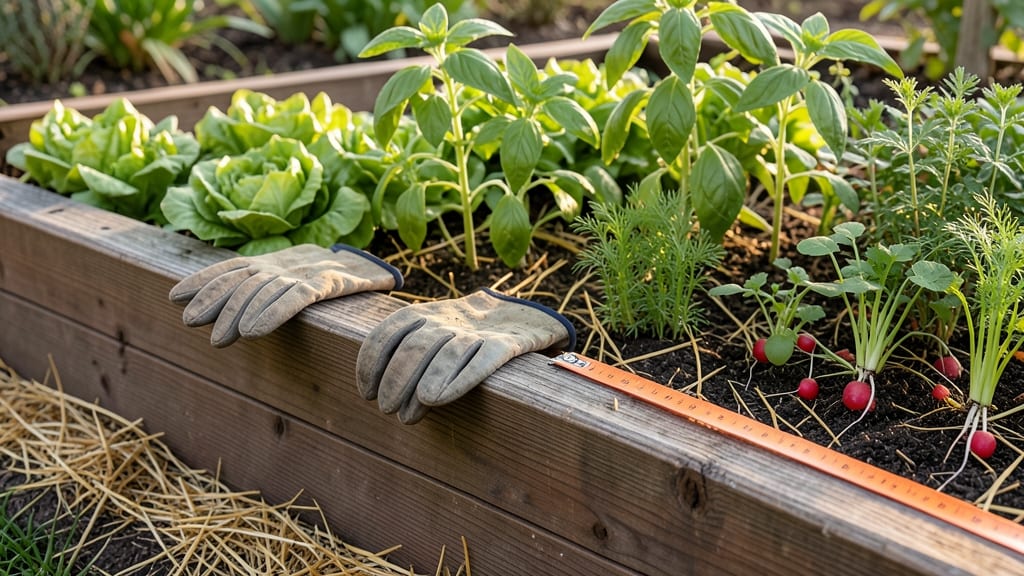
Standard raised garden bed dimensions typically measure 4’ x 8’ (the most versatile size for most gardens) or 3’ x 6’ (a compact alternative), with a depth of 12–18 inches to accommodate healthy root development. These proportions ensure easy access from walkways while optimizing planting space and reducing maintenance challenges.
Raised garden beds are designed with practicality in mind—4-foot widths let you reach the center without stepping on the soil, while 8-foot lengths provide ample growing space without overcommitting to maintenance.
The 12–18-inch depth is crucial for root systems, especially for vegetables like carrots or potatoes that need room to grow downward. 🌱 Smaller beds like 3’ x 6’ work well in tight spaces or for beginners, while larger custom layouts can be built using modular sections if your yard allows.
The key is balancing size with your ability to tend the plants efficiently.
Another factor to consider is how dimensions affect soil quality. Deeper beds (18 inches) retain moisture better in hot climates, while shallower beds (12 inches) may suit cooler regions where roots don’t need as much depth.
The 4-foot width rule also minimizes soil compaction from foot traffic, ensuring healthier plants throughout the season.
💡 In This Article
- Why Standard Raised Bed Dimensions Improve Plant Growth
- Optimal Raised Garden Bed Sizes for Different Spaces
Why standard raised bed dimensions improve plant growth
The 4-foot width standard isn't arbitrary—it’s rooted in ergonomics and plant biology. When you stand at the edge of a 4-foot-wide bed, your arm naturally extends to the center without stepping on the soil, preventing compaction that stunts root growth.
Studies show soil compaction reduces porosity by up to 30%, limiting oxygen and water flow to roots. This width also aligns with the average human reach (about 28–32 inches), making weeding and harvesting effortless while reducing back strain. 🌱
Depth matters just as much: 12–18 inches accommodates deep-rooted crops like tomatoes or carrots, while shallower beds (under 10 inches) may struggle with moisture retention in dry climates. The extra depth also improves soil temperature regulation—deeper beds warm up 2–3°F faster in spring, giving plants a head start.
Drainage efficiency is another win; deeper beds prevent waterlogging, which can suffocate roots and invite fungal diseases. For example, a 16-inch-deep bed drains 40% faster than a 10-inch one during heavy rains.
Length balances productivity and maintenance. An 8-foot bed yields more than a 4-foot one but requires only 25% more time to tend, thanks to the 4-foot width rule minimizing wasted middle space. Longer beds (like 12-foot) are possible but force you to step on soil, risking compaction.
Pro tip: For sloped yards, build beds no longer than 6 feet to avoid erosion and water runoff during irrigation. 💧
Size also influences pest control—smaller beds (under 4’ x 4’) attract fewer weeds because they dry out faster, while larger beds benefit from diverse plantings that confuse pests. The 12–18-inch depth also deters burrowing insects like cutworms, as they avoid deeper soil layers.
For urban gardens, 3’ x 6’ beds strike a sweet spot: compact enough for balconies but deep enough for root crops like beets or radishes.
Soil composition plays a hidden role too. Deeper beds allow you to layer soil types—topsoil on top, compost in the middle, and gravel at the bottom for drainage. This mimics natural ecosystems where roots access nutrients at different depths.
For instance, a 16-inch bed with 4 inches of compost can support 30% more microbial activity than a shallow bed, breaking down organic matter faster and feeding plants more efficiently. 🌿
Finally, consider seasonal adjustments. In cold climates, 18-inch depth insulates roots better, while in hot areas, 12 inches may suffice to prevent overheating. The 4-foot width ensures you can rotate crops annually without stepping on beds, reducing disease spread.
For example, planting tomatoes in one season and beans in the next on the same bed is only practical if you can access all sides without trampling soil.
Here’s the takeaway: Dimensions aren’t just about space—they’re about optimizing every factor that affects plant health. Whether you’re growing leafy greens or deep-rooted squash, the science behind 4’ x 8’ x 12–18” beds ensures your garden thrives with minimal effort. 🌟