
Tools
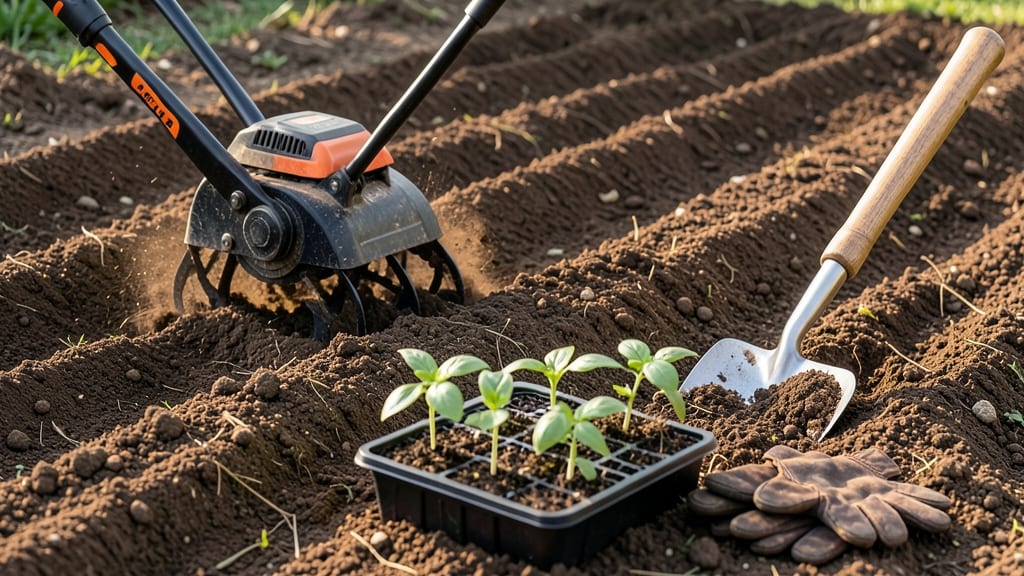
A garden cultivator is used for turning over soil, breaking up compacted earth, and removing weeds to prepare garden beds for planting. It aerates roots, improves drainage, and creates a fine, workable texture ideal for seeds and transplants.
A garden cultivator transforms tough, dense soil into loose, fertile ground perfect for planting. 🌱 By breaking up compacted earth, it ensures roots can spread easily, which boosts nutrient absorption and plant growth.
I’ve seen how a well-tended garden bed with properly aerated soil leads to stronger plants and fewer weeds—it’s like giving your garden a fresh start every season.
Beyond just loosening soil, cultivators help control weeds before they take over, saving you hours of hand-pulling. The right tool also prevents soil from becoming too hard after rain, keeping your garden consistently workable.
Whether you’re prepping a small backyard plot or a larger farm section, choosing the right cultivator type makes all the difference in efficiency and results.
💡 In This Article
- How Garden Cultivators Improve Soil Health
- Choosing the Right Cultivator for Your Garden Type
How garden cultivators improve soil health
A garden cultivator works by mechanically agitating the soil, breaking apart dense clumps and creating air pockets between particles. This process, known as tilling, disrupts the compacted structure that often forms from foot traffic, machinery, or natural settling.
When soil is compacted, water drains poorly, roots struggle to penetrate, and beneficial microbes have less space to thrive. A cultivator’s rotating tines or blades loosen these layers, allowing roots to spread deeper and access nutrients more efficiently.
The aeration effect is critical—soil with 5-10% air porosity (the ideal range for most plants) supports healthier root systems. Without proper aeration, plants may develop shallow roots, making them more susceptible to drought or wind damage.
For example, tomatoes planted in compacted soil often produce smaller yields because their roots can’t explore enough volume. Cultivating just 3-4 inches deep before planting can double the rooting depth, leading to stronger, more productive plants. 🌱
Weed control is another key benefit. Most weeds germinate from seeds already present in the topsoil. By tilling at the right depth (2-3 inches), you bury weed seeds deeper than their light requirements, preventing them from sprouting.
This is why professional gardeners often cultivate after rain—moist soil is easier to work, and the disturbance exposes weed seeds to sunlight, where they’ll fail to germinate. Over time, this reduces the weed seed bank in your garden.
Beyond physical disruption, cultivators also help mix organic matter into the soil. When you till in compost or aged manure, the cultivator’s blades incorporate it evenly, creating a nutrient-rich layer. This process mimics natural decomposition but accelerates it, giving plants immediate access to nutrients.
For instance, adding 1-2 inches of compost and tilling it in can improve soil fertility by up to 30% in a single season, depending on the compost quality.
The timing of cultivation matters too. Early spring tilling warms the soil faster, while fall tilling helps break down organic debris before winter. However, over-tilling can harm soil structure by destroying beneficial fungal networks and releasing carbon too quickly.
A balanced approach—tilling only when necessary and leaving some undisturbed areas—preserves soil health while maximizing plant growth. 💚
Consider the texture: freshly cultivated soil should feel like crumbly cake batter, not dense clay. This ideal texture holds moisture without becoming waterlogged, allowing roots to breathe and expand.
For heavy clay soils, cultivators with deeper tines (up to 6 inches) are especially effective at breaking up the dense layers, while sandy soils benefit from shallower, more frequent passes to retain moisture.