
Light Requirements
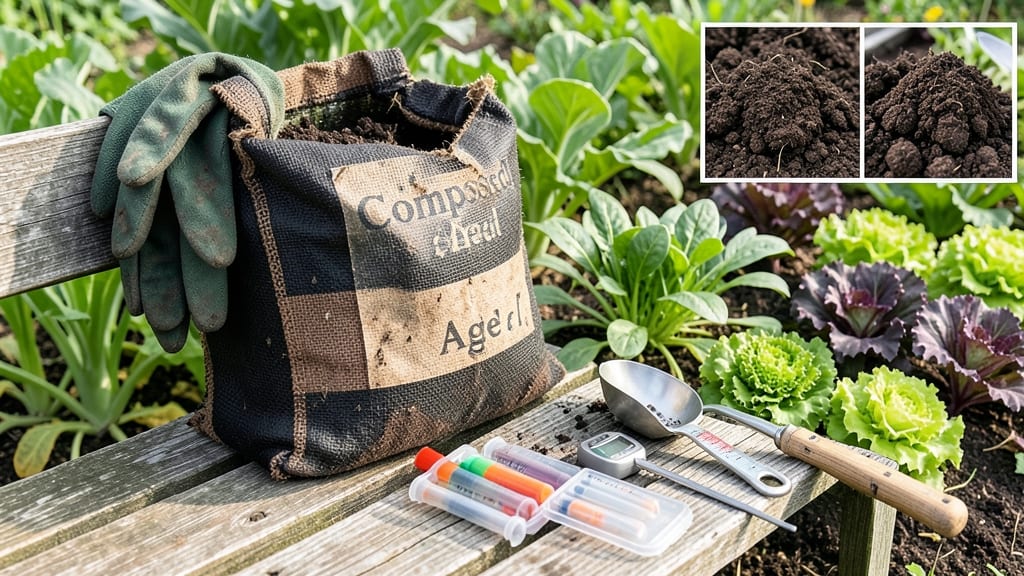
To determine how much manure to add to garden soil, use 1-2 inches of well-aged composted manure per square foot for general planting, or mix 1 part manure with 3 parts soil by volume for nutrient-rich beds. Always compost fresh manure first to prevent plant damage, and adjust amounts based on your soil type and specific plant needs.
Manure acts as a natural fertilizer, but its potency varies by type—cow manure releases nutrients slowly, while chicken manure is more concentrated and needs extra composting time. 🌱 For example, leafy greens like spinach thrive with a lighter application (1 inch per square foot), while heavy feeders like tomatoes may need up to 2 inches.
Sandy soils absorb nutrients quickly, so you might need to apply manure more frequently, while clay soils can hold nutrients longer, requiring less frequent additions.
Before applying, test your soil's pH and nutrient levels using a simple kit from your local garden center. Most vegetables prefer a slightly acidic to neutral pH (6.0-7.0), while blueberries need more acidic soil (around 4.5-5.2).
Adjust your manure application based on these results—too much can overwhelm plants, while too little won't provide the nutrients they need for optimal growth.
💡 In This Article
- Manure-to-Soil Ratios by Compost Type and Plant Needs
- Soil Testing and Adjusting Manure Application for Optimal Growth
Manure-to-soil ratios by compost type and plant needs
Different types of manure release nutrients at varying rates due to their nitrogen content and decomposition speed. Cow manure, for example, typically contains about 0.5-1.0% nitrogen and breaks down slowly over 3-6 months, making it ideal for general garden use.
Spread 1-2 inches per square foot for vegetables or ½ inch for flowers, then lightly till into the top 6 inches of soil. Horse manure, slightly richer in nitrogen (1.0-1.5%), requires similar application but should be composted longer to avoid overheating the soil.
Chicken manure is the most potent, with 2-4% nitrogen, but it must be composted for at least 6 months to prevent burning plants. Use ½ inch per square foot for heavy feeders like tomatoes or peppers, or ¼ inch for delicate plants.
Rabbit manure, with 1.5-2.5% nitrogen, is gentler and can be applied fresh in thinner layers (¼ inch), perfect for seedlings or container gardens. The key is balancing nutrient release with plant needs—fast-growing crops like lettuce need quick nitrogen, while perennials benefit from slow-release manure.
Plant type dictates application strategy. Leafy greens and herbs absorb nutrients quickly, so a 1-inch layer of composted cow or rabbit manure works well. Root vegetables like carrots or beets need deeper enrichment—mix 1 part manure with 2 parts soil in the top 12 inches of the bed.
For lawns, spread ½ inch of composted manure in early spring and fall, then lightly rake in. The texture matters too: finer compost blends evenly, while chunky manure may need sifting to avoid clumping around roots.
Seasonal timing also affects effectiveness. Apply manure in early spring or late fall to let it decompose before planting. Summer applications can dry out soil and release ammonia too quickly.
For container plants, mix 10-20% composted manure into potting soil—too much can create a salty, inhospitable environment. Always water thoroughly after application to activate microbial breakdown and prevent nutrient runoff.
Visual cues help gauge success. Healthy soil with manure will have a dark, crumbly texture and earthy aroma. If you see white mold or a foul smell, the manure wasn’t fully composted.
For troubleshooting, reduce application rates by half and increase composting time. The goal is to mimic nature’s slow nutrient cycling—think of manure as a long-term investment rather than a quick fix.
Pro tip: Layer manure with carbon-rich materials (like straw or leaves) in a compost bin for 3-6 months before garden use. This "double composting" ensures safer, more stable nutrients. 🌿