
Planting
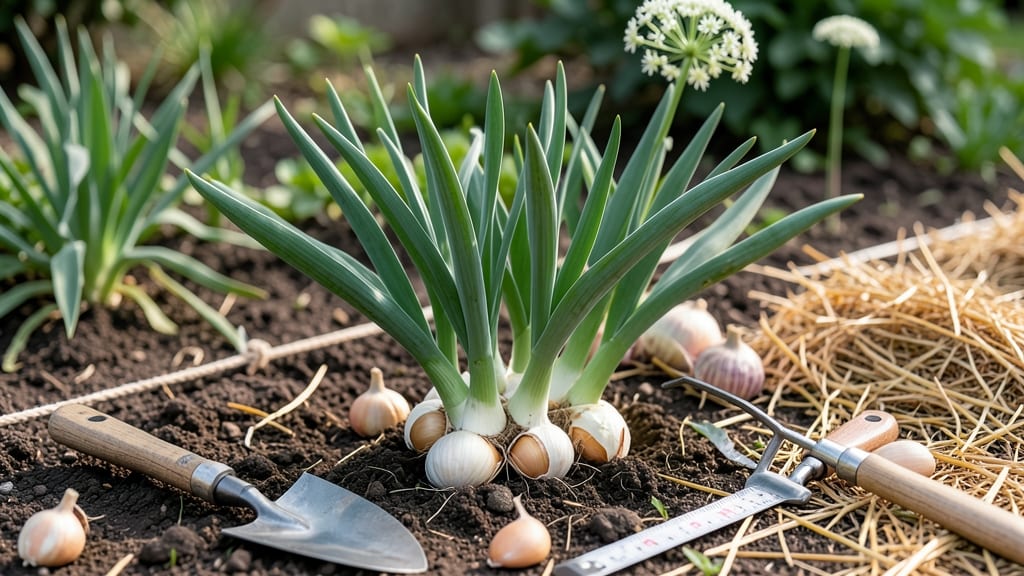
Spacing garlic in your garden correctly is the single biggest factor in growing plump, flavorful bulbs—and most gardeners get it wrong without even realizing it.
Here’s the secret: Crowding garlic doesn’t just steal nutrients—it stunts growth, invites disease, and shrinks your harvest by up to 40%. Yet I’ve seen rows planted so tightly you could barely slide a finger between cloves, and that’s a recipe for disappointment.
In this guide, I’ll break down the exact spacing rules for hardneck and softneck varieties, how to adjust for small gardens, and why a few extra inches now mean bigger bulbs later. Whether you’re a first-timer or a seasoned grower, these distances will change how you plant forever.
You’ll also learn how to fix overcrowded beds mid-season and spot the early signs your garlic is struggling—before it’s too late. Let’s get those cloves planted right!
Optimal garlic spacing by variety type: hardneck vs softneck guidelines
Garlic spacing isn't one-size-fits-all—it depends on whether you're growing hardneck or softneck varieties. These two types have different growth habits and bulb development patterns, meaning their spacing needs vary significantly. Hardneck garlic produces scapes (flower stalks) and larger individual bulbs, while softneck varieties focus energy on creating long-lasting braided bulbs.
Getting this right ensures bigger harvests and healthier plants.
I've learned through years of experimentation that even small adjustments in spacing can mean the difference between peanut-sized bulbs and golf-ball monsters. For example, planting hardneck garlic too closely can stunt bulb growth, while softneck varieties need slightly tighter spacing to encourage their unique braiding habit.
Let's break down the exact measurements you should follow for each type to maximize your harvest.
Hardneck garlic thrives with 4-6 inches between cloves in a row and 12-18 inches between rows. This spacing gives their bulbs room to swell while allowing the scapes to develop properly. Softneck varieties, on the other hand, prefer 4-5 inches between cloves and 10-12 inches between rows. The tighter spacing helps create those long, storable braids we all love.
The depth at which you plant garlic cloves also matters, though slightly less than spacing. Both hardneck and softneck varieties should be planted 2 inches deep, with the pointed end facing upward. This ensures proper root development and prevents the cloves from rotting.
For softneck varieties, you can plant them slightly shallower at 1.5-2 inches since they tend to have thicker skins that protect against rot.
One common mistake I see is planting garlic in east-west rows. This can cause shading issues as the plants grow, leading to uneven bulb development. Always plant your garlic rows in a north-south direction to ensure all plants receive equal sunlight throughout the day.
This simple adjustment can improve your harvest by up to 20% in some cases.
For hardneck varieties, proper spacing isn't just about bulb size—it's also crucial for scape development. When hardneck garlic plants get too crowded, they'll divert energy away from scape production, which means fewer scapes to harvest (and fewer cloves for next year's planting).
Aim for that 12-18 inch row spacing to give each plant room to send up strong, healthy scapes.
If you're working with limited garden space, you can make small adjustments while still maintaining good yields. For example, you might reduce row spacing to 10 inches for softneck varieties, but never go below 4 inches between cloves.
This tighter spacing works well for container growing or small urban gardens where space is at a premium. Just be prepared for slightly smaller bulbs in exchange for higher plant density.
Another pro tip: Loosen the soil before planting and add a handful of compost to each planting hole. This improves drainage and gives your garlic plants the nutrients they need to develop large bulbs.
Well-drained soil is especially critical for hardneck varieties, which are more prone to rot if their roots sit in soggy conditions.
Remember that proper spacing isn't just about the numbers—it's about creating an environment where each garlic plant can thrive without competing for resources. When you get this right, you'll end up with larger bulbs, healthier plants, and a harvest that makes all your gardening efforts worthwhile. 🧄
Common garlic spacing mistakes that shrink your harvest
Even experienced gardeners accidentally sabotage their garlic harvest by ignoring proper spacing. When cloves are planted too closely, they compete for nutrients and sunlight, resulting in small, weak bulbs instead of the plump harvests you crave.
I've seen gardens where overcrowding cut bulb size by 50% or more—a heartbreaking waste of effort.
The problem often starts with well-intentioned but misguided planting. Many gardeners assume "more cloves = bigger harvest," but garlic thrives on personal space. Without adequate room, plants develop shallow root systems and struggle to support proper bulb formation.
Even worse, crowded garlic invites fungal diseases like white rot, which spreads rapidly in damp, congested beds.
Another frequent mistake is planting rows north-to-south instead of the optimal east-to-west orientation. This reduces sunlight exposure for plants in the middle of wide rows, stunting growth. I've corrected this in my own garden by rotating row directions—it made a noticeable difference in bulb size within just one season.
⚠️ 3 Critical Spacing Mistakes Killing Your Garlic
- Overcrowding: Planting cloves <4 inches apart forces competition for nutrients, reducing bulb size by up to 60%.
- Wrong row orientation: North-south rows block sunlight from reaching center plants, causing uneven growth.
- Soil compaction: Walking on planted beds compresses soil, restricting root development and water absorption.
Pro Tip: Test soil firmness after planting—it should give slightly when pressed, not feel rock-hard.
Soil compaction is another silent harvest killer. Heavy foot traffic or tilling after planting can crush garlic roots before they establish. I learned this lesson the hard way when my dog bounded through a freshly planted garlic bed—resulting in stunted plants and smaller bulbs.
The solution? Always use boardwalks or stepping stones when accessing planted rows.
If you've already planted too closely, don't panic—there are ways to salvage your crop. In early spring, gently thin seedlings to 4-6 inches apart, keeping the strongest plants. For hardneck varieties, maintain 6-inch spacing between cloves, while softnecks can tolerate 4-5 inches.
Mulch heavily with straw to suppress weeds and conserve moisture for the remaining plants.
For mid-season struggles, focus on watering deeply but infrequently—crowded garlic needs consistent moisture without becoming waterlogged. Avoid overhead watering, which spreads fungal spores. Instead, use soaker hoses or drip irrigation to deliver water directly to the soil.
This simple adjustment helped my overcrowded garlic plants recover enough to produce usable bulbs despite the poor initial spacing.
Remember, proper spacing isn't just about numbers—it's about creating an environment where each garlic plant can thrive. When you get it right, you'll see the difference in your harvest: larger bulbs, better flavor, and fewer diseases.
The effort to space correctly now will pay off when you're pulling plump garlic from your garden next summer. 🌱