
Size
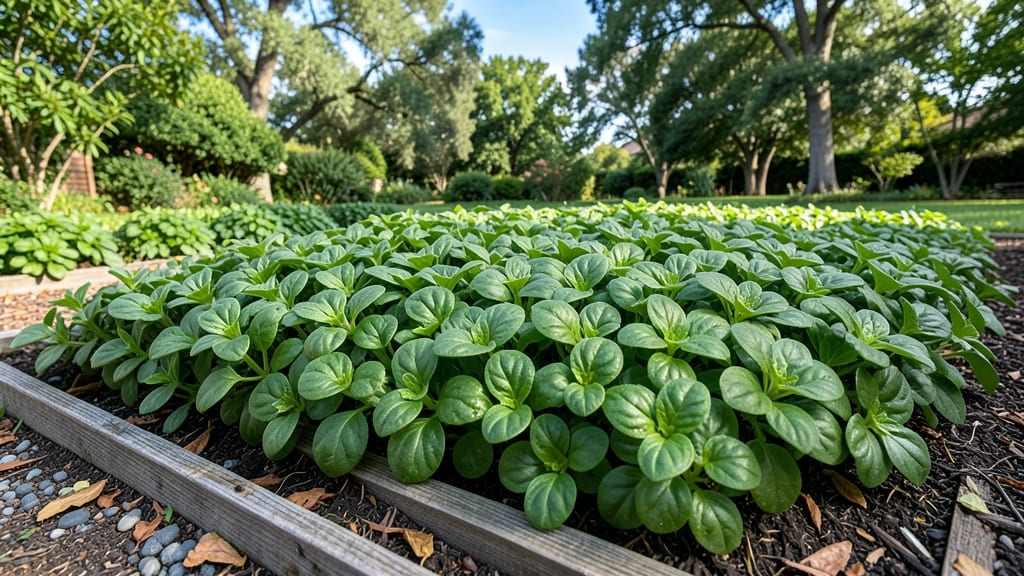
To grow a garden blanket, layer deep-rooted perennials at the base, mid-height shrubs in the middle, and top with annuals or vines to create continuous coverage year-round. This approach minimizes weeds, reduces soil erosion, and delivers seasonal color while keeping maintenance low.
Creating a garden blanket isn't just about filling space—it's about designing a living ecosystem where each plant plays a role. 🌿 The key is matching root depths: deep-rooted plants like creeping thyme or sedum anchor the base, while mid-height shrubs such as dwarf boxwood add structure, and trailing annuals like nasturtiums spill over edges.
This vertical strategy prevents bare patches and keeps weeds from taking over.
What sets successful garden blankets apart is their adaptability. For instance, in hot climates, drought-tolerant pairings like lantana and Russian sage thrive together, while shadier spots benefit from hostas paired with heucheras.
The magic happens when you mix evergreens with seasonal bloomers—ensuring color never fades, even when some plants go dormant.
💡 In This Article
- Strategic Plant Layering for Garden Blanket Success
- Best Plant Pairings for Climate-Specific Garden Blankets
Strategic plant layering for garden blanket success
The foundation of a thriving garden blanket lies in understanding how plants compete—and cooperate—below ground. Deep-rooted perennials like creeping phlox or crown vetch (roots extending 3-5 feet deep) anchor the bottom layer, drawing up nutrients and water from lower soil horizons.
This prevents shallow-rooted weeds from establishing since they can't access the same resources. 🌱 The middle layer features shrubs with 1-3 foot root zones, such as dwarf lilacs or potentilla, which spread horizontally to fill gaps while providing structure.
Topping with trailing annuals like calibrachoa or lobelia creates a living mulch that shades the soil, reducing evaporation and suppressing weeds.
Sunlight competition is where the real magic happens. Tall plants like butterfly bush (6 feet) should be placed strategically to cast dappled shade for mid-height shrubs, while ground covers like ajuga thrive in their filtered light.
The secret is spacing: 12-18 inches apart for ground covers, 3-5 feet for shrubs, and 6-8 feet for taller plants. This creates a "light gradient" where each layer gets its ideal conditions without smothering neighbors.
Evergreens like Japanese forest grass add winter interest, while deciduous plants like heucheras provide seasonal color shifts.
Seasonal succession is the final piece—this is how you avoid bare patches. Plant spring bloomers like pulmonaria alongside summer performers such as coreopsis, then add fall interest with sedum varieties. The key is overlapping bloom times by 2-3 weeks between plants.
For example, crocus (early spring) transitions to allium (late spring), which then gives way to black-eyed susans (summer). This creates a continuous "flowering carpet" effect that keeps your garden looking vibrant all season.
Texture diversity is often overlooked but critical for visual appeal. Combine fine-textured plants like moss phlox with bold foliage such as hostas or heucheras to create contrast. The rule of thumb is to mix 3-5 different textures in each layer—smooth, fuzzy, spiky, and feathery all contribute to the "blanket" effect.
This diversity also attracts pollinators: bees love the nectar-rich salvia, while butterflies are drawn to coneflowers, creating a mini ecosystem that thrives with minimal intervention.
One common mistake is overcrowding. While dense planting looks lush initially, it can lead to fungal issues from poor airflow. Aim for 70-80% coverage at maturity, leaving space for plants to breathe.
In shady areas, combine ferns with heucheras for moisture-loving pairings, while sunny spots benefit from lavender and thyme combinations that thrive in dry conditions. The goal is to mimic natural ecosystems where each plant has its niche—just without the weeds.
Pro tip: Start with a "skeleton" of evergreen shrubs to define your garden blanket's structure, then fill in perennials and annuals around them. This creates a framework that holds the design together even when some plants go dormant.
For example, a dwarf boxwood hedge planted 18 inches apart forms a living boundary that never loses its shape, while creeping jenny cascades over it for year-round color.