
Planting
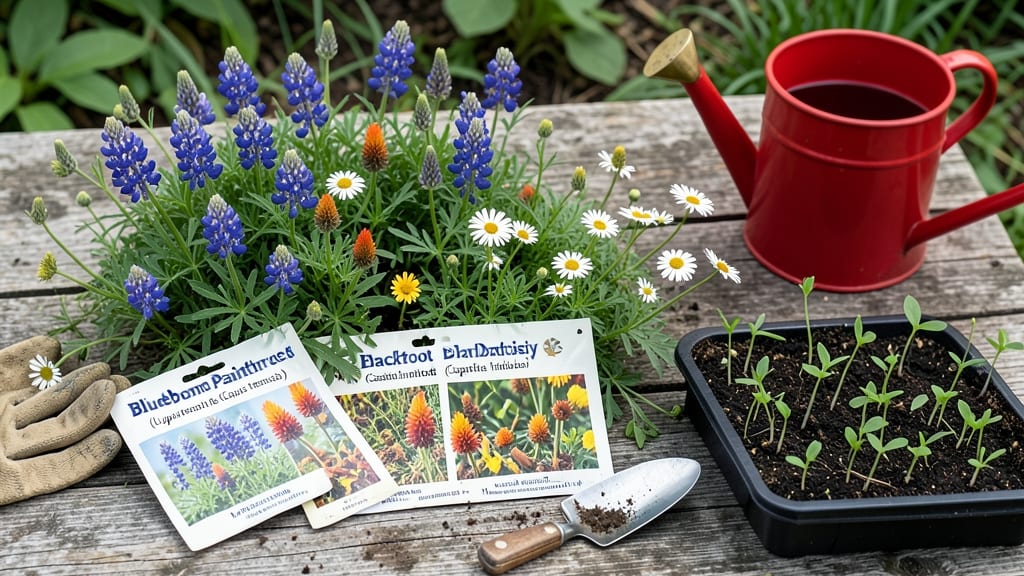
Planting your spring garden in Texas at the right time means avoiding frost damage or wilting seedlings before they take root—timing is everything.
Texas gardeners face a unique challenge: scorching summers and unpredictable spring freezes can make timing your spring garden critical for success—plant too early, and frost ruins your crops; too late, and the heat zaps your seedlings before they thrive.
If you’ve ever watched your tender greens turn to mush after a late-night freeze or seen your tomatoes bolt in the early heat, you know how much difference a few weeks can make.
This guide breaks down the best planting windows by USDA zone, heat-resistant varieties, and pro tips to stretch your growing season—so you can finally get that garden thriving without the guesswork.
Texas spring planting timeline by USDA hardiness zones (8a-9b)
Texas spring planting requires precision—get it wrong, and your seedlings could face late frosts or sweltering heat before they establish. The state spans USDA Zones 8a-9b, with Zone 8a (north Texas) facing earlier frosts than Zone 9b (deep south).
I’ll break down the frost-free dates, ideal planting windows, and heat tolerance thresholds for each zone so you can time your garden like a pro.
First, know your last frost averages: North Texas (Zone 8a) typically sees its final frost by March 15, while South Texas (Zone 9b) rarely drops below freezing after February 15.
However, microclimates (urban heat islands, elevated areas, or river valleys) can shift these dates by 2-3 weeks. For example, Dallas (Zone 8a) might experience frost until March 30, while Houston (Zone 9a) could be frost-free by February 1.
Your soil temperature is just as critical as air temperature. Most spring crops thrive when soil reaches 60°F, but heat-loving plants like okra or sweet potatoes need 70°F+ to germinate. Use a soil thermometer to avoid planting too early—cool soil delays germination, leaving seedlings vulnerable to late frosts.
For cool-season crops like broccoli or spinach, aim to plant 6-8 weeks before your last frost. In Zone 8a, that means mid-January for early varieties, while Zone 9b gardeners can start as early as December.
Use row covers to protect seedlings from late frosts—I’ve saved entire plantings in Zone 8a by covering beds with frost cloth until April 1.
Heat-loving crops like tomatoes and peppers should wait until after April 15 in Zone 8a and March 15 in Zone 9b. These plants thrive in 75°F+ soil, so test temperatures before planting. Pro tip: Pre-warm soil with black plastic mulch 1-2 weeks before transplanting to speed up growth.
Urban gardeners often face warmer microclimates due to concrete and asphalt absorbing heat. If you’re in a city like Austin or San Antonio, you can plant 2-3 weeks earlier than rural areas.
Conversely, elevated or shady spots (like under trees) stay cooler—wait until soil reaches 65°F before planting heat-sensitive crops like cucumbers.
Don’t forget succession planting! In Texas, you can often squeeze in 2-3 harvests of fast-growing crops like bush beans or radishes. For example, plant a first batch in March, a second in April, and a third in May to extend your harvest.
This works especially well in Zone 9b, where the growing season stretches longer.
Watch for unpredictable weather—Texas is famous for its spring freezes and sudden heat waves. Sign up for local frost alerts (like those from the National Weather Service) and keep row covers or shade cloth on hand. I once lost a $5
Heat-resistant spring vegetables & flowers for Texas gardens
Texas’s early spring heat can be brutal on delicate seedlings, but the right heat-resistant varieties thrive when others wilt. I’ve grown these Texas superstars for years—okra, ‘Heatmaster’ tomatoes, and zinnias—and they never disappoint.
The key is choosing plants bred for 90°F+ temperatures and low rainfall, while also prioritizing drought tolerance.
For vegetables, focus on southern heat lovers like black-eyed peas, sweet potatoes, and collard greens. These crops not only handle Texas’s sweltering afternoons but also improve with warmer soil temperatures. Flowers like Mexican sunflowers and lantana add vibrant color while requiring minimal water once established.
Here’s how these varieties rank for heat resilience and drought tolerance, based on my trials in USDA Zones 8a-9b:
Plant these heat-resistant varieties after your last spring frost, typically mid-March to early April in North Texas and late February to March in Central/South Texas.
For okra and sweet potatoes, wait until soil temps hit 70°F+—they’ll bolt or rot in cooler conditions. Zinnias and lantana are even more forgiving, often self-seeding in poor soil as long as they get full sun.
My top tip? Mulch heavily with straw or wood chips to lock in moisture and keep roots cool. I’ve seen ‘Heatmaster’ tomatoes produce all summer long with this trick, even during 100°F heatwaves.
Pair these varieties with drip irrigation to avoid wetting leaves, which reduces fungal diseases like early blight.
Don’t overlook collard greens and mustard greens—they’re cool-season crops that actually prefer Texas’s early spring and fall heat. These leafy greens handle 95°F temps better than most, making them perfect for late-spring plantings when other veggies struggle.
For flowers, Mexican sunflowers and gaillardias are my go-tos—they bloom nonstop from spring to frost with almost no care.
Start seeds indoors 4-6 weeks before your target planting date for tomatoes and peppers, but direct-sow okra, sweet potatoes, and black-eyed peas after April 15 to avoid early-season pests. These varieties reward patience with bountiful harvests even when other gardens fail.