
Planting
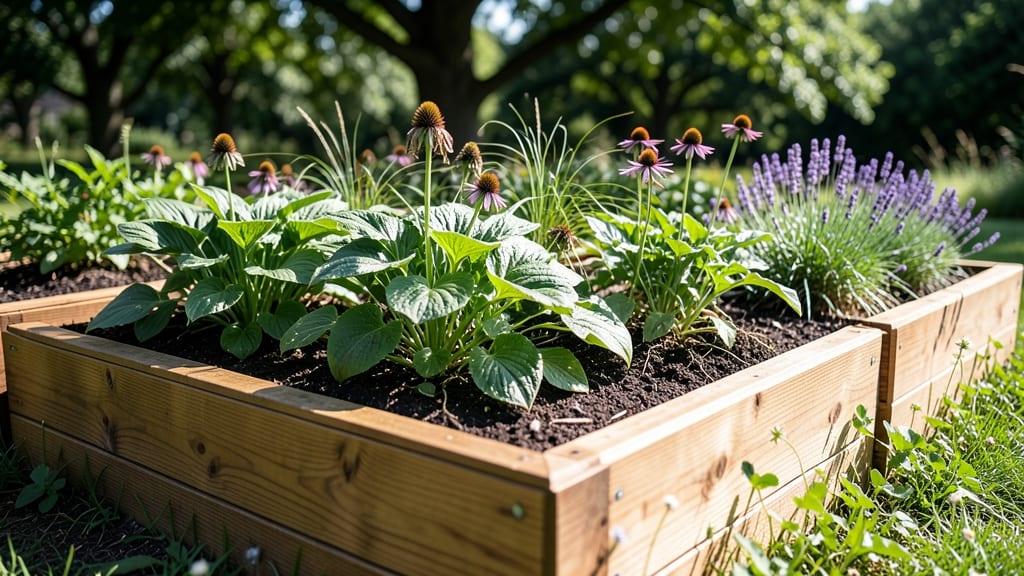
To figure out how deep to make raised garden beds, aim for 6–12 inches—the magic range that balances root space, drainage, and practicality for most vegetables, herbs, and flowers.
Struggling to decide how deep your raised garden beds should be? Get it wrong, and your plants will suffer from poor drainage or stunted roots—here’s the science-backed guide to perfect depth for thriving 🌱 crops.
Depth isn’t just about fitting your favorite tomatoes; it’s about giving roots room to stretch while keeping soil light and workable. Too shallow, and carrots won’t grow straight. Too deep, and you’re wasting materials and effort.
Below, I’ll break down the ideal depth by plant type, how to adjust for drainage, and the 3 biggest mistakes that ruin even well-built beds—so you can build once and harvest like a pro.
Ideal raised garden bed depth by plant type: root space requirements explained
Deciding how deep to build your raised garden beds depends entirely on what you plan to grow. A 6-inch depth works for leafy greens, but deep-rooted crops like carrots or potatoes need 12+ inches to thrive.
The right depth ensures proper root development, drainage, and soil volume—all critical for plant health. Let’s break down the science so you can customize your beds for maximum yield.
Most gardeners start with a standard 10–12 inch depth, which accommodates the majority of vegetables, herbs, and flowers. However, root vegetables like beets or parsnips demand deeper beds, while shallow-rooted plants such as lettuce or radishes can thrive in 6-inch containers.
The key is matching your bed’s depth to the maturity size of the roots you’re cultivating.
| Plant Type | Ideal Depth | Examples | Soil Layering Tip |
|---|---|---|---|
| Shallow-rooted plants | 6–8 inches | Lettuce, Radishes, Herbs | Top 4" compost + 2" potting mix |
| Medium-rooted plants | 10–12 inches | Tomatoes, Peppers, Bush Beans | 6" garden soil + 4" compost |
| Deep-rooted crops | 12–18 inches | Carrots, Potatoes, Asparagus | 12" loose soil + 6" compost |
| Perennials/Shrubs | 18–24 inches | Fruit Trees, Berries, Rhubarb | 24" deep with gravel base |
For standard vegetable gardens, a 10–12 inch depth strikes the perfect balance. This depth provides enough root space for most annuals while keeping construction manageable. However, if you’re growing deep-rooted crops, consider a deep bed design (18+ inches) to prevent root binding.
For example, carrots need loose soil to grow straight, while potatoes require space to tuberize underground.
Layering your soil is another game-changer. Start with a 2–4 inch layer of coarse material (like gravel or bark chips) at the bottom for drainage, followed by 6–12 inches of nutrient-rich soil.
Top with 2–4 inches of compost to retain moisture and feed roots. This method mimics natural soil profiles and reduces compaction over time.
If you’re working with urban gardening constraints, prioritize shallow-rooted plants or use vertical gardening techniques. For instance, strawberries or green onions thrive in 6-inch deep containers, making them ideal for balconies or small spaces. Just ensure containers have drainage holes to prevent root rot.
One common mistake is assuming deeper always means better. While extra depth helps with drainage, it also increases the risk of soil drying out or becoming too heavy for your frame. For wooden raised beds, 12 inches is typically the max height before structural support becomes an issue.
If you’re using metal or composite materials, check weight limits to avoid sagging.
For long-term gardening success, consider building modular beds with adjustable depths. This lets you repurpose sections for different crops as your garden evolves. For example, dedicate one 12-inch deep section to root vegetables and another 8-inch section to herbs.
This flexibility maximizes your space while catering to each plant’s needs.
Pro tip: Test your soil’s drainage rate before finalizing depth. Fill a hole with water and time how long it takes to drain. If water pools after 30 minutes, your bed needs more perforations or a gravel layer.
Aim for complete drainage within 1–2 hours to prevent anaerobic conditions that stunt roots.
Remember, the ideal depth isn’t just about roots—it’s also about soil volume. A deeper bed holds more nutrients and moisture, reducing the need for frequent watering. For instance, a 12-inch deep bed can store 3x more water than a 6-inch one, which is a lifesaver during droughts.
Balance depth with your gardening goals—whether it’s maximizing yield, conserving water, or saving space.
Critical factors affecting raised garden bed depth: drainage, soil quality & long-term maintenance
When building raised garden beds, depth isn't just about aesthetics—it directly impacts your plants' health. Too shallow, and roots struggle to spread; too deep, and you waste resources. The ideal depth balances drainage efficiency, soil volume, and root development while keeping maintenance manageable.
For most vegetables and herbs, 6–12 inches is the sweet spot, but heavy clay soil or deep-rooted crops like asparagus may need adjustments.
One of the biggest mistakes gardeners make is assuming all plants thrive in the same depth. Shallow-rooted plants like lettuce or basil only need 4–6 inches, while deep-rooted crops like carrots or potatoes demand 12+ inches.
Without proper depth, you risk compacted soil, poor nutrient distribution, and even root rot from poor drainage.
⚠️ callout warning ⚠️
- Too shallow (under 6"): Roots compete for space, leading to stunted growth and poor yields.
- No drainage layer: Heavy clay soil or compacted beds cause waterlogging, suffocating roots.
- Uneven depth: Sloping beds create dry pockets or water pools, stressing plants.
Drainage is non-negotiable in raised beds. Without proper airflow, anaerobic conditions develop, leading to fungal diseases and root rot. A gravel or sand layer at the bottom (even just 2 inches) improves water flow, especially in clay-heavy soils.
For containers or urban gardens, consider fabric-lined drainage holes to balance aeration and soil retention.
Soil quality degrades faster in shallow beds because nutrients get depleted quicker. To combat this, layer your soil with compost-rich topsoil (6–8 inches), followed by a 4–6 inch mix of compost and aged manure.
Top with 2 inches of mulch to retain moisture and suppress weeds. Over time, deep beds hold more organic matter, reducing the need for frequent amendments.
Long-term maintenance becomes easier with the right depth. Deeper beds (12+ inches) require less frequent soil replenishment and watering because they retain moisture and nutrients longer.
However, they also need stronger framing to prevent warping. For wooden beds, use rot-resistant lumber like cedar or composite materials to avoid structural issues over time.
If you're working with limited space, don’t sacrifice depth—get creative! Tiered beds or vertical gardening can maximize root space without taking up extra footprint. For example, a 6-inch-deep bed with deep pockets for root crops can still support a mix of plants.
Just ensure every layer has proper drainage and soil aeration to avoid compacting the roots.