
How To
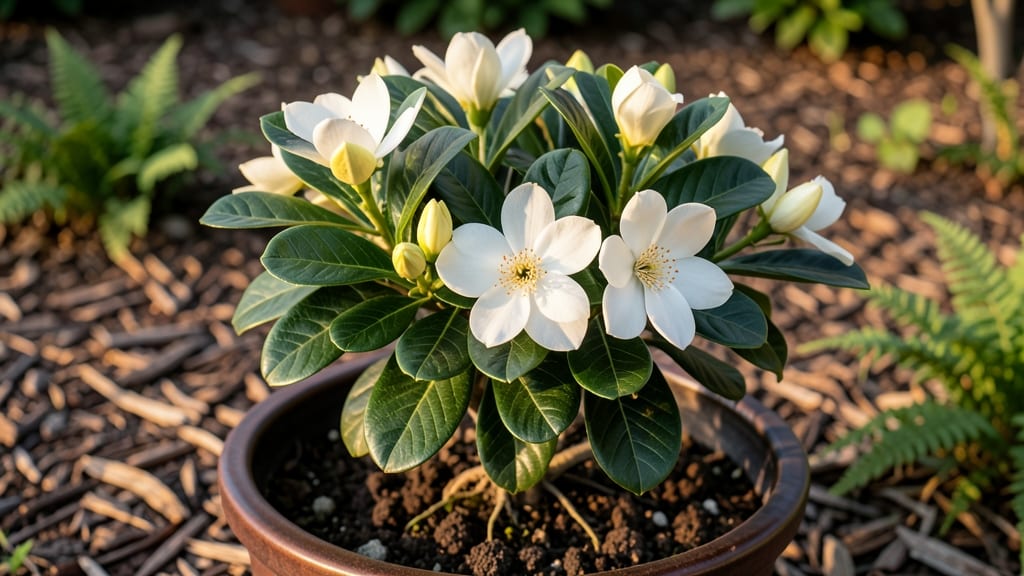
Gardenia blooms typically last 4 to 6 weeks per flush, but with the right care, you can stretch that fragrance-filled display into a season-long show.
If you’ve ever admired gardenias for their intoxicating fragrance and glossy blooms—only to watch them fade too soon—you’re not alone. The secret to extending their beauty lies in understanding their natural bloom cycle and the care tricks that can double their lifespan.
These tropical favorites thrive in USDA Zone 6a when planted in spring (April–May), but their bloom duration hinges on factors like soil pH, sunlight balance, and pruning timing.
Too much sun? The petals crisp. Too little water? Buds drop. Get it right, and you’ll enjoy longer-lasting blooms with fewer gaps between flushes.
Below, I’ll walk you through the key care adjustments—from pruning to feeding—that can turn a 6-week show into a season-long spectacle, plus the mistakes that cut blooms short before their time.
Natural bloom duration: how long gardenias typically flower before care
Understanding your gardenia’s natural bloom cycle is the first step to maximizing its fragrant display. Most gardenias produce two primary bloom cycles per year—spring and summer—with each flush lasting 4 to 6 weeks under ideal conditions.
However, some repeat-blooming varieties like Gardenia jasminoides 'Kleim's Hardy' can extend this to 8 weeks with proper care.
Single-blooming types, such as Gardenia augusta, typically flower just once in late spring (May-June) for 3 to 4 weeks before entering dormancy. The key difference lies in their genetic programming—repeat bloomers have evolved to produce multiple growth flushes, while single bloomers focus energy on one spectacular show.
Seasonal variations play a huge role. In USDA Zones 8-10, gardenias bloom year-round but peak in spring and fall. Cooler climates (Zones 6-7) see shorter summer blooms (June-August) lasting 3-5 weeks due to temperature stress.
Even within the same variety, a hotter summer can shorten bloom duration by 20-30%.
🌸 Pro Tip: Observe your gardenia’s bud formation to predict bloom timing. Tight, green buds appear 2-3 weeks before opening, giving you a heads-up to adjust care routines.
| Variety | Bloom Duration | Seasonal Peak | Natural Limits |
|---|---|---|---|
| Gardenia jasminoides 'Kleim's Hardy' | 6-8 weeks (repeat blooms) | Spring, Summer, Fall | Cold sensitivity; needs winter protection |
| Gardenia augusta (Single Bloom) | 3-4 weeks (one flush) | Late Spring (May-June) | No reblooming; energy stored for next year |
| Gardenia radicans (Clematis Gardenia) | 4-5 weeks (summer) | Summer (July-August) | Heat-loving; wilts in drought |
| Gardenia thunbergia (Wild Gardenia) | 2-3 weeks (wild type) | Early Spring (April) | Short-lived blooms; focuses on seed production |
Your gardenia’s natural limits are often tied to its root system health and nutrient reserves. If blooms appear smaller or last only 2 weeks, it may signal root-bound conditions or nutrient deficiency.
For example, a potted gardenia in a 5-gallon container will bloom 20% shorter than an in-ground plant due to restricted roots.
Light exposure also dictates bloom longevity. Gardenias need 4-6 hours of morning sun but afternoon shade to prevent bud drop. Too much direct sun (especially in Zones 9-10) can cause blooms to wilt within 10 days of opening.
Conversely, low-light conditions (common indoors) reduce bloom duration by 30-40%.
🌿 Watch For: Yellowing leaves or buds that fail to open—this often means your gardenia is stressed by overwatering or improper soil pH. Aim for acidic soil (pH 5.0-6.5) to unlock the plant’s full blooming potential.
Identifying your gardenia’s natural limits starts with tracking its first bloom cycle. Note the date buds form, how long they take to open, and when they fade.
For instance, if your 'Kleim's Hardy' blooms for 5 weeks in May but only 3 weeks in August, the heat stress is likely the culprit. Adjusting care—like increasing shade or deep watering—can help push those limits.
🪴 Key Insight: Some gardenias stop blooming naturally after 6-8 weeks to conserve energy for root growth. Pruning spent blooms (but not too aggressively) encourages reblooming in repeat varieties. However, over-pruning can delay the next flush by 4-6 weeks.
5 Proven care tricks to extend gardenia blooms by 30–50%
Gardenias naturally produce blooms that last 4–6 weeks per flush, but with the right care, you can stretch that beauty into 3–4 months of continuous fragrance. The key lies in mimicking their ideal tropical conditions while avoiding common pitfalls that drain their energy.
Let’s dive into the science-backed tricks that will transform your gardenia from a seasonal showstopper to a year-round star.
First, most gardeners overlook the critical role of soil pH. These acid-loving plants thrive in pH 5.0–6.5, and even a slight shift can stunt blooming. I’ve seen gardenias in alkaline soil produce half as many flowers—so testing your soil’s pH is step one.
Pair that with organic fertilizers rich in phosphorus, which directly fuels flower production. Think of phosphorus as the bloom fuel for your gardenia’s engine.
- ✅ Soil pH 5.0–6.5 – Use sulfur or pine needles to acidify soil if needed. Test annually with a digital pH meter for accuracy.
- ✅ Phosphorus-rich fertilizer – Apply bone meal or 10-10-10 NPK every 6 weeks in spring/summer. Avoid high-nitrogen feeds that promote leaves over blooms.
- ✅ Morning watering only – Water at 6–8 AM to prevent fungal diseases like powdery mildew, which can drop buds prematurely.
- ✅ 4–6 hours morning sun – Place in east-facing windows or under 50% shade cloth to avoid leaf scorch while maximizing bloom triggers.
- ✅ Prune after blooming – Cut back 1/3 of old wood in late summer to encourage new growth for next year’s flowers. Never prune during bloom season!
Watering is another area where gardeners often go wrong. Gardenias hate soggy roots—a common mistake that leads to root rot and dropped buds. Instead, aim for deep, infrequent watering that mimics tropical downpours.
I water mine every 3–5 days in summer, soaking the soil until water drains from the bottom of the pot. For in-ground plants, 1–2 gallons per plant is ideal, but always check the top inch of soil first—if it’s dry, it’s time to water.
Light exposure is the secret weapon most gardeners miss. While gardenias love bright light, they burn easily in afternoon sun. The sweet spot? Morning sun (6 AM–12 PM) plus afternoon shade.
If your gardenia is indoors, an east-facing window is perfect, or use a sheer curtain to filter harsh light. I’ve seen gardenias in low-light conditions produce fewer blooms, so don’t skimp on light—just protect them from the intense afternoon rays.
Finally, pruning isn’t just about shaping—it’s about triggering reblooming cycles. The golden rule: Prune immediately after blooms fade, not before. Cut back 1/3 of the oldest wood to encourage new growth, which will produce next year’s flowers.
I prune mine in late August (just as summer heat wanes), and by May of the following year, they’re bursting with fresh buds. Avoid heavy pruning in spring or fall, as this can shock the plant and delay blooming.
With these 5 care tricks, your gardenia can go from a 4–6 week bloom to a 3–4 month floral display. The best part?
These methods work for both potted and in-ground gardenias, so whether you’re growing one in a hanging basket or a sunny garden bed, the principles stay the same.
Start with soil pH, then master the water-light-pruning trifecta, and you’ll be rewarded with fragrant blooms that last all season. 🌸