
Blooming
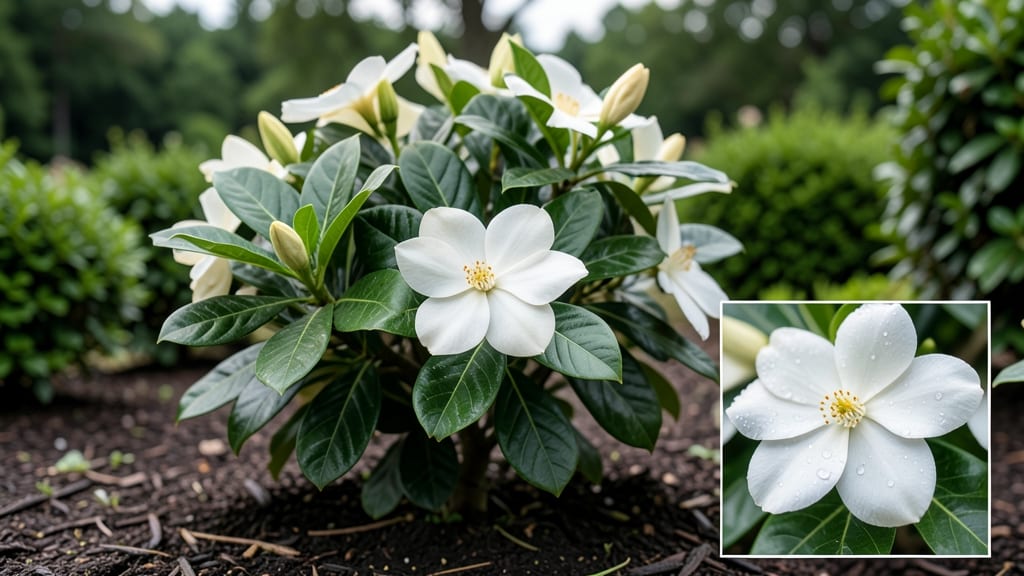
Gardenia blooms last between 4 and 8 weeks per flush, filling your garden with their signature intoxicating fragrance 🌸—but only if you understand the triggers that make it happen.
If you’ve ever marveled at the intoxicating scent of gardenias but wondered why their blooms vanish so quickly, you’re not alone. These stunning shrubs thrive in warm climates like Florida and California but need precise care to extend their bloom time.
The key to longer blooms lies in seasonal triggers—think sunlight balance, soil pH, and even pruning timing. A single misstep, like overwatering or skipping fertilizer, can cut that 6-week peak in half.
In this guide, I’ll break down the science behind gardenia bloom cycles, share pro tips to double your fragrance time, and reveal the most common mistakes that shorten blooms—so you can enjoy those creamy white flowers all season long.
Gardenia bloom duration: the 4-8 week window explained
If you’ve ever marveled at the intoxicating scent of gardenias but wondered why their blooms vanish so quickly, you’re not alone. Understanding their bloom cycle is key to maximizing fragrance and beauty in your garden.
Gardenias typically produce two major bloom flushes per year, each lasting 4-8 weeks, with spring blooms often being the most abundant. This seasonal window aligns with their natural growth patterns and environmental triggers.
The 4-8 week bloom duration varies based on several factors, including variety type, climate conditions, and care practices. For example, Gardenia jasminoides, the most common variety, often blooms for 6-8 weeks in ideal conditions, while dwarf varieties may have shorter, 4-6 week cycles.
These differences are influenced by the plant’s genetic predisposition and how well it adapts to its environment.
| Factor | Impact on Bloom Duration | Optimal Condition |
|---|---|---|
| Variety Type | Standard varieties bloom 6-8 weeks; dwarf varieties 4-6 weeks | Choose based on climate and space |
| Climate Zone | USDA 8-10: 8 weeks; USDA 7: 4-6 weeks | Protect from frost; extend season with shade |
| Sunlight Exposure | 4-6 hours of morning sun = longer blooms; too much sun = shorter duration | Partial shade with morning sun |
| Soil pH | Acidic soil (5.0-6.0) = prolonged blooms; alkaline soil = reduced blooms | Test soil; amend with sulfur or peat moss |
| Watering Schedule | Consistent moisture = longer blooms; drought stress = shorter duration | Deep watering every 2-3 days; mulch to retain moisture |
Spring blooms typically occur between late April and June, while fall blooms appear from August to October. The spring flush is often more abundant due to warmer temperatures and increased daylight hours, which trigger the plant’s natural flowering cycle.
In contrast, fall blooms may be shorter, lasting 4-6 weeks, unless the plant receives consistent care and optimal growing conditions.
Scientifically, gardenias enter a dormancy cycle after each bloom flush, which helps them conserve energy for the next growing season. This dormancy period can influence bloom duration, as the plant needs time to replenish nutrients and regenerate foliage.
For example, if a gardenia experiences nutrient depletion or stress during dormancy, the next bloom cycle may be shorter or less vibrant.
One of the most critical factors affecting bloom length is light exposure. Gardenias thrive in partial shade, with 4-6 hours of morning sunlight being ideal. Too much direct sunlight, especially in the afternoon, can cause the plant to overheat and drop buds prematurely.
In contrast, insufficient light can weaken the plant, leading to smaller blooms and shorter bloom cycles.
Soil health plays a pivotal role in extending bloom duration. Gardenias require acidic soil with a pH of 5.0-6.0 to thrive. If your soil is alkaline, the plant may struggle to absorb essential nutrients like iron and phosphorus, which are crucial for flower production.
Amending the soil with peat moss, sulfur, or compost can help maintain the ideal pH level and support longer blooming periods.
Watering practices also significantly impact how long gardenias bloom. These plants love consistent moisture but hate soggy roots. Overwatering can lead to root rot, while underwatering causes bud drop.
Aim to water your gardenias deeply every 2-3 days, ensuring the soil remains evenly moist but not waterlogged. Mulching around the base of the plant helps retain moisture and regulate soil temperature, further supporting healthy blooms.
Pruning is another key technique to extend bloom duration. After the first bloom flush, prune back 1/3 of the plant’s height to encourage new growth and a second flush. Avoid heavy pruning in late summer, as this can delay fall blooms or reduce their duration.
Instead, focus on light shaping prunes to maintain airflow and prevent disease, which can also stress the plant and shorten bloom cycles.
Finally, understanding your climate zone is essential for maximizing bloom duration. Gardenias grow best in USDA Zones 7-10, where they can enjoy warm temperatures and mild winters. In colder zones, gardenias may require protection from frost or <
Seasonal triggers that extend gardenia blooming periods
Gardenias naturally produce their most abundant blooms during spring and early summer, typically lasting 4-8 weeks per flush. However, with the right seasonal adjustments, you can coax your plants into producing longer-lasting, more frequent blooms—especially in USDA Zones 8-10, where gardenias thrive year-round.
The key lies in mimicking their natural triggers, like temperature shifts, daylight changes, and soil conditions, to encourage extended flowering.
For example, in Zone 9, gardenias often bloom from March through June, but with proper care, you can push that window into late summer or even fall.
In cooler zones like Zone 8, a winter dormancy period is natural, but strategic pruning and soil prep can revive blooms earlier in spring. The secret? Understanding how to time your care tasks with the plant’s internal clock.
Another often-overlooked trick is mulching. Apply 2-3 inches of organic mulch (pine bark or compost) around the base of your gardenia in early spring. This retains moisture, regulates soil temperature, and encourages root growth, which directly translates to longer, more abundant blooms.
In Zone 8, mulching also protects roots from winter freeze-thaw cycles, ensuring healthier spring regrowth.
If you’re in Zone 10, where gardenias can bloom year-round, watch for signs of stress like yellowing leaves or dropped buds. These are red flags that your plant needs more shade, less water, or a pH adjustment.
By adapting care to seasonal changes, you can extend blooming periods by 6-8 weeks—turning your gardenia into a fragrant, long-lasting centerpiece all year. 🌸