
Light Requirements
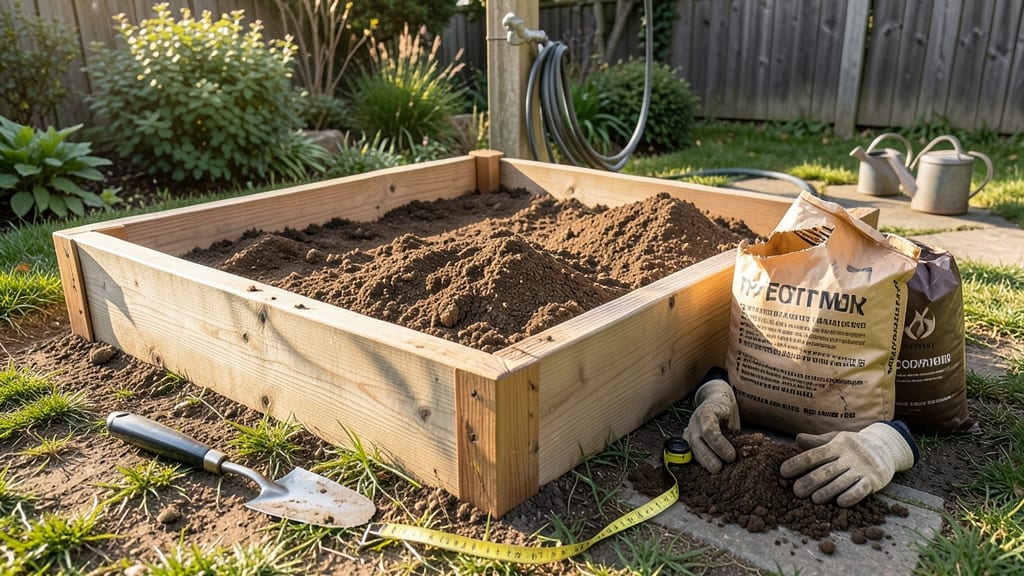
Filling a raised garden bed with the right amount of soil ensures your plants get the perfect depth for strong roots and healthy growth 🌱 — and it’s easier than you think.
Picture this: you’ve spent hours building your General Raised Garden Bed, only to realize halfway through filling it that you’ve either gone way overboard or barely scratched the surface.
The good news? With the right measurements, you’ll avoid both extremes and create an ideal growing space for everything from carrots to tomatoes.
Most vegetables thrive with 6 to 12 inches of soil, but deep-rooted crops like asparagus or potatoes need up to 18 inches. The secret lies in calculating your bed’s volume, accounting for drainage layers, and choosing the right soil mix—none of which requires a degree in horticulture.
In this guide, I’ll walk you through the exact steps to measure your bed, pick the best soil blend, and troubleshoot common mistakes so your General Raised Garden Bed becomes the envy of the neighborhood.
Ideal raised garden bed soil depth by plant type: the perfect root space guide
Getting the soil depth right in your raised garden bed is one of the most critical steps for plant success. Unlike in-ground gardens, raised beds give you complete control over soil quality and depth, but each plant type needs different root space to thrive.
For example, shallow-rooted herbs like basil need just 6 inches of soil, while deep-rooted vegetables like asparagus require 18+ inches to grow properly. Understanding these differences ensures your plants get the perfect environment to flourish.
Most gardeners make the mistake of using a one-size-fits-all approach, filling all raised beds to the same depth. This can lead to stunted growth, poor drainage, or wasted soil. Instead, tailor your soil depth to the plants you’re growing.
For instance, leafy greens like lettuce or spinach only need 6–12 inches, while fruit-bearing plants like tomatoes or peppers need 12–18 inches to support their root systems and produce heavy harvests.
Here’s the key: Root depth determines how much soil you need. Shallow-rooted plants like herbs and radishes don’t need deep soil, but deep-rooted plants like carrots or strawberries will struggle if their roots hit the bottom of your bed too quickly.
The good news? Raised beds allow you to customize soil depth easily, so you can optimize space and resources for your specific garden goals.
Pro Tip: Always account for soil compaction and drainage layers (like 2–4 inches of gravel or compost at the bottom). These layers prevent waterlogging and ensure roots have access to oxygen. Without them, even the perfect soil depth can lead to poor plant health.
For herbs and leafy greens, stick to the 6–12 inch range. These plants have shallow roots and grow quickly, so deeper soil isn’t necessary—and it can even lead to water retention issues if not managed properly.
Instead, focus on nutrient-rich soil with plenty of organic matter. A mix of 60% topsoil, 30% compost, and 10% perlite or sand works wonders for these fast growers.
When planting root vegetables like carrots or beets, aim for 12–18 inches of soil. These crops need room to develop their edible roots without hitting obstacles like rocks or the bed’s bottom.
If you’re growing long varieties, like Danvers carrots, consider adding a 12-inch layer of loose, stone-free soil to prevent forking or stunted growth. Always loosen the soil before planting to encourage straight, healthy roots.
If you’re growing fruiting vegetables such as tomatoes or peppers, 12–18 inches is ideal. These plants need deep soil to support their heavy fruit loads and extensive root systems. Without enough depth, they’ll struggle to stay upright and may produce fewer fruits.
Pair this with staking or caging to give plants additional support, especially as they mature and bear fruit.
For perennial plants like asparagus or fruit bushes, 18–24 inches of soil is a must. Asparagus, for example, has deep, woody roots that can extend up to 3 feet underground.
Planting it in a shallow bed will result in poor yields or no harvest at all. Similarly, blueberry bushes thrive in acidic, well-draining soil that’s at least
How to calculate soil volume for your raised bed: a step-by-step formula
Getting the right amount of soil in your raised bed isn’t just about eyeballing it—it’s a science that ensures your plants get the perfect root environment. Too little soil means shallow roots, while too much can lead to wasted soil and poor drainage.
Let me walk you through the exact formula to calculate your needs, including adjustments for drainage layers and soil compaction.
Start by measuring your raised bed’s length, width, and height in feet. For example, if your bed is 4 feet long, 2 feet wide, and 1 foot tall, you’ll need precise calculations to avoid overbuying or running short.
Pro tip: Always account for a 10-15% buffer for soil settling over time—especially if you’re using loose compost or organic mixes.
For a customizable calculator, use this formula: (L × W × D) × 1.2 = cubic feet needed. Divide by 27 for cubic yards. For instance, a 3’ × 1’ × 12” bed (with 3” gravel) requires about 0.16 cubic yards of soil.
Pro tip: Use a soil moisture meter after filling to check compaction—aim for 40-60% porosity for optimal drainage.
Don’t forget to layer your soil for best results: Start with 2-3 inches of coarse sand or gravel at the bottom for drainage, then add landscape fabric to prevent clogging.
Top with a 60% topsoil, 30% compost, and 10% perlite/sand mix for ideal texture. This setup ensures your roots get both air and moisture without waterlogging.
If you’re still unsure, order a test bag (1-2 cubic feet) first to see how your soil settles. Over time, you’ll develop a feel for how much your specific mix compacts. Happy digging—your plants will thank you for the perfect foundation!