
Watering
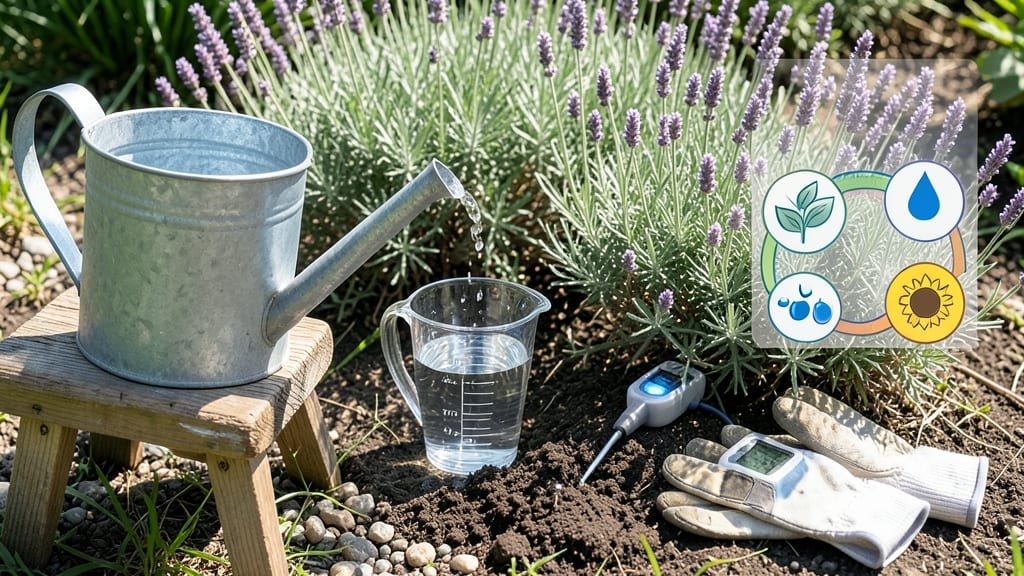
A garden needs 1 to 2 inches of water per week to thrive, but the real secret lies in understanding your soil—because what works for clay won’t work for sand, and guessing can turn your green thumb into a sad story.
Picture this: one side of your garden is lush and vibrant, while the other looks like a desert took over. That’s not a mystery—it’s your soil talking. Clay soil holds onto water like a sponge, while sandy soil drains faster than a leaky faucet, and loamy soil?
That’s the Goldilocks of gardening: just right. Getting it wrong means wasted water, stressed plants, and a whole lot of frustration.
Most gardeners overcomplicate watering, but the truth is simpler than you think. It’s not about how often you water—it’s about how deeply and how consistently you do it.
A quick sprinkle won’t cut it, especially in Zone 6a where spring and summer can swing from chilly to scorching in a heartbeat. The key? Moisture that reaches the roots without drowning them.
In this guide, I’ll break down the exact watering rules for your soil type, show you how to read your plants for signs of thirst (or too much love), and share the smartest irrigation tricks to save time and keep your garden happy—no guesswork required.
Water needs by soil type: clay vs sandy vs loamy explained
Your garden’s water needs aren’t one-size-fits-all—they’re dictated by soil type. Clay soil clings to moisture like a sponge, while sandy soil drains faster than a sieve. Loamy soil, the golden middle, balances everything perfectly. Understanding these differences means the difference between thriving tomatoes and wilting zucchini plants.
Soil composition affects water retention, root oxygen, and nutrient availability. Clay soil holds water but suffocates roots, while sandy soil lets water escape too quickly. Loamy soil, with its ideal mix of sand, silt, and clay, gives plants the perfect hydration balance.
Let’s break down how to water each type correctly for a healthy garden.
Comparison Table: Water Needs by Soil Type
| Soil Type | Water Retention | Drainage Speed | Watering Frequency | Depth per Watering | Best Plants |
|---|---|---|---|---|---|
| Clay | Very High (holds water) | Slow (can waterlog) | Every 7-10 days | 4-6 inches deep | Perennials, roses, peonies |
| Sandy | Very Low (drains fast) | Fast (needs frequent water) | Every 2-3 days | 2-3 inches deep | Vegetables, herbs, cacti |
| Loamy | Moderate (ideal balance) | Balanced (drains well) | Every 5-7 days | 3-4 inches deep | Flowers, shrubs, most veggies |
If you have clay soil, your biggest challenge is avoiding root rot from overwatering. Water deeply but infrequently—think of it like giving your plants a long drink instead of a quick sip. Sandy soil, on the other hand, requires more frequent watering because it can’t hold moisture.
Aim for shallow but daily watering to keep roots hydrated.
Loamy soil is the dream for most gardeners—it retains just enough moisture while allowing excess to drain. This means you can stick to a consistent schedule without worrying about over- or under-watering. For example, tomatoes and peppers thrive in loamy soil with 1-1.5 inches of water per week.
To test your soil’s moisture, stick your finger 1-2 inches deep. If it feels dry, it’s time to water.
For clay soil, wait until the top 3 inches are dry, while sandy soil may need watering when the top 1 inch is dry. Loamy soil falls somewhere in between, making it the easiest to manage.
Mulching is a game-changer for all soil types. A 2-3 inch layer of mulch (like straw or wood chips) helps retain moisture in sandy soil and prevents crusting in clay soil.
It also keeps roots cool in summer and insulated in winter. For loamy soil, mulch helps maintain that perfect balance.
Seasonal adjustments are key. In summer heat, sandy soil may need watering twice daily, while clay soil might only need watering every 10 days. In winter, reduce watering to once every 2-3 weeks for all soil types, as plants enter dormancy.
Always water in the early morning to minimize evaporation and fungal risks.
Pay attention to plant signals. Wilting leaves can mean underwatering in sandy soil or overwatering in clay soil. Yellowing leaves often indicate poor drainage, while mold or fungus suggests too much moisture. Adjust your watering schedule based on these cues and your soil type.
For container gardens, soil type matters even more because pots dry out faster. Use well-draining potting mix for sandy soil and add organic matter to clay-heavy mixes. Water containers when the top 1 inch of soil feels dry, and always check for drainage holes to prevent waterlogging.
By tailoring your watering routine to your soil type, you’ll create the perfect conditions for your garden to flourish—whether it’s vibrant flowers, crisp vegetables, or lush perennials. Start with a simple soil test, adjust your approach, and watch your plants thrive! 🌱
How to calculate your garden’s exact water requirements
Calculating your garden’s water needs isn’t guesswork—it’s science! Every plant has unique hydration demands, and ignoring these can lead to root rot or stunted growth. Start by understanding your soil type, plant species, and local climate.
For example, tomatoes need 1-2 inches of water weekly, while succulents thrive on minimal moisture. Let’s break this down step by step.
First, assess your soil’s moisture retention. Sandy soil drains quickly, requiring frequent, shallow watering, while clay soil holds moisture too long, risking root suffocation. Loamy soil—ideal for most gardens—balances drainage and retention.
Use a simple finger test: stick your finger 1-2 inches into the soil; if it feels dry, it’s time to water. This method saves water and prevents over-saturation.
Step-by-Step Water Calculation Guide
- Step 1: Test your soil using a moisture meter or DIY jar test. Fill a jar halfway with soil, add water, and observe drainage speed.
- Step 2: Group plants by water needs. Vegetables (like peppers) need 1-1.5 inches weekly, while perennials (like lavender) tolerate drought conditions.
- Step 3: Check local evapotranspiration rates (ET). Use your zip code to find ET data online—this tells you how much water evaporates daily.
- Step 4: Adjust for season. Summer may require daily watering for containers, while winter might need bi-weekly checks only.
- Step 5: Use mulch (2-4 inches) to retain moisture and reduce watering by 30-50%. Organic mulch like straw breaks down and improves soil over time.
Don’t overlook weather patterns. A week of 90°F heat will dry soil faster than a 60°F spring day. Use a rain gauge to track natural precipitation—subtract that from your watering total.
For instance, if you get 0.5 inches of rain, you might only need to add 1 inch more for a thirsty vegetable garden.
For container gardens, watering needs spike because pots dry out 3x faster than in-ground soil. Check soil moisture daily and water until it drains from the bottom. Self-watering pots with reservoirs can automate this process, saving you time and ensuring consistency.
Finally, observe your plants for stress signs. Yellowing leaves often mean overwatering, while crispy edges signal underwatering. Adjust your schedule based on these cues—your garden will thank you with vibrant blooms and healthy harvests. 🌱