
Watering
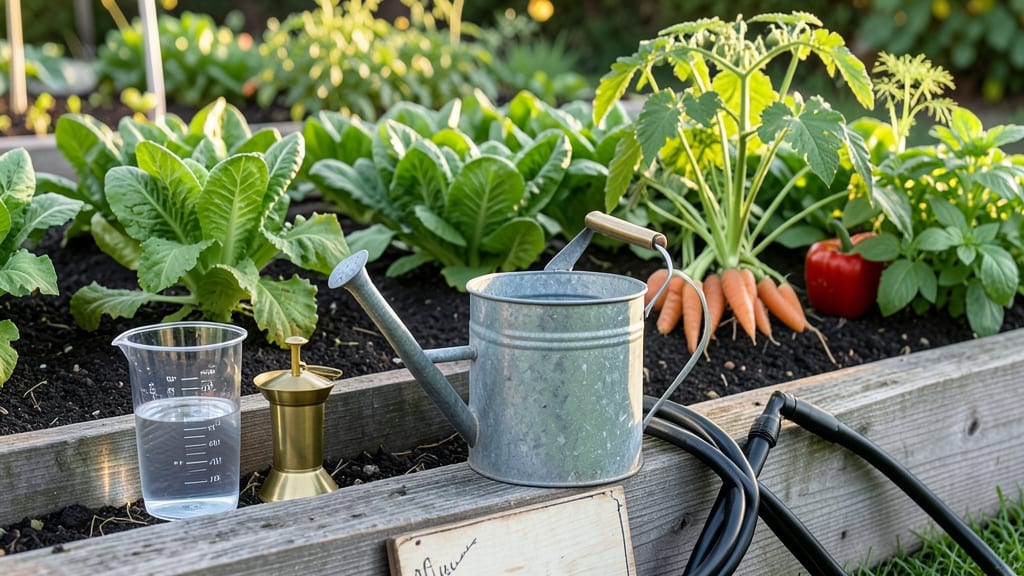
How much water does a vegetable garden need? The right amount—about 1 to 2 inches per week—is the secret to thriving plants, not guesswork.
Wondering why your vegetable garden thrives one week but wilts the next? Watering isn’t just about timing—it’s about precision. Science reveals that even the hardiest plants need specific weekly water amounts, and getting it wrong can mean the difference between a bountiful harvest and wasted effort.
Most gardeners overcomplicate it by checking soil daily, but the real key is understanding plant types and soil conditions. Leafy greens like lettuce need consistent moisture, while root crops like carrots prefer deeper, less frequent watering. A quick soil test can save you from drowning your plants—or leaving them thirsty.
In this guide, I’ll break down the exact weekly water needs for your garden, how to adjust for heatwaves or droughts, and the best tools to make watering effortless—without a single drop wasted.
Science-backed weekly water requirements for common vegetable plants
Watering your vegetable garden isn’t a one-size-fits-all task. Each plant type—whether it’s leafy greens, root vegetables, or fruiting plants—has unique hydration needs. Research shows that 1-2 inches of water per week is the general rule, but soil type, temperature, and plant maturity change the equation.
For example, tomatoes need deep, consistent watering, while radishes prefer frequent, shallow drinks. Let’s break down the science so you can water with confidence.
Understanding soil moisture science is key. Sandy soils drain quickly and need more frequent watering, while clay holds moisture longer. A simple test: Stick your finger 1-2 inches deep—if it feels dry, it’s time to water. Rainfall also plays a role; track weekly totals and adjust your schedule.
For instance, 1 inch of rain can replace half your watering needs, but heavy downpours can leach nutrients. Mulching with straw or wood chips helps retain moisture and reduces evaporation.
Here’s a science-backed breakdown of weekly water needs by plant type, including seasonal adjustments:
Seasonal shifts demand flexibility. In summer, heat and wind accelerate evaporation, so water early in the morning to reduce loss and fungal risks. Use a rain gauge to track precipitation—subtract rainfall from your weekly total.
For example, if you get 0.5 inches of rain, you only need to add 1 inch more for fruiting plants. In winter, cut back to half the usual amount unless you’re growing cold-hardy crops like kale or carrots.
Young plants are the most vulnerable. Seedlings and transplants need daily watering for the first 2 weeks to establish roots. After that, gradually taper to the weekly guidelines above. For instance, tomato seedlings might need 0.5 inches daily until they’re 6 inches tall, then transition to 1.5 inches weekly.
Overwatering at this stage can drown roots, while underwatering stunts growth. Use your finger to check soil moisture daily during this critical phase.
Mulch is your best friend for water conservation. A 2-3 inch layer of organic mulch (like straw or shredded leaves) locks in moisture, suppresses weeds, and regulates soil temperature. Studies show mulched beds retain 30% more water than unmulched ones.
Apply mulch after plants are established to avoid rot. For container gardens, use self-watering pots or add a moisture meter to avoid guesswork—containers dry out 3x faster than in-ground soil.
Watch for visual cues to fine-tune your watering. Wilting leaves? It could mean underwatering or overwatering. Check the soil: if it’s dry at 1 inch deep, water deeply. Yellowing leaves often signal overwatering, especially in clay soils where roots suffocate.
For tomatoes, blossom-end rot (a calcium deficiency) can occur if watering is inconsistent. Keep soil moisture even to prevent this common issue.
Drip irrigation systems are the gold standard for efficiency. They deliver water directly to roots, reducing waste and disease risk. Set up emitters to release 1-2 gallons per hour and run them for 30-60 minutes daily in summer.
For hand watering, use a soaker hose or watering wand to avoid wetting foliage. Early morning (before 10 AM) is ideal—it minimizes evaporation and gives plants time to dry before evening humidity.
Don’t forget that plant maturity changes water needs. A 6-week-old lettuce might need 1 inch weekly, but a mature tomato plant can drink 2-3 gallons per week in peak summer. Adjust your schedule as plants grow.
For example, peppers need 1.5 inches weekly when fruiting but can handle 1 inch when young. Always water deeply—aim for 6-12 inches down—to encourage strong root systems.
How to calculate your garden’s exact water needs (step-by-step guide)
Watering your vegetable garden isn’t about guesswork—it’s about precision. Every plant has unique needs based on its stage of growth, soil type, and local weather conditions.
Overwatering can drown roots, while underwatering stresses plants. Let’s break down how to calculate your garden’s exact water needs so you can nurture a thriving harvest.
Start by understanding your garden’s square footage and the water-holding capacity of your soil. Sandy soil drains quickly and needs frequent, shallow watering, while clay soil holds moisture longer but risks waterlogging.
Most vegetable gardens require 1-2 inches of water per week, but this varies by plant type and season.
Step-by-Step Guide to Calculating Water Needs
- Measure your garden’s size in square feet. For example, a 10’ x 10’ garden = 100 sq ft.
- Determine soil type: Sandy (needs 1 inch/week), Loamy (1-1.5 inches), or Clay (1 inch/week, but deeper).
- Check plant water needs: Leafy greens (1 inch/week), root veggies (1.5 inches), fruiting plants (2 inches/week).
- Adjust for weather: Subtract 0.1 inch per 0.1 inch of rainfall. For example, 0.5 inches of rain = subtract 0.5 inches from weekly total.
- Calculate total weekly water: Multiply sq ft by inches needed. For 100 sq ft of tomatoes (2 inches/week): 200 gallons/week.
- Divide by watering sessions: For 2x/week watering, deliver 100 gallons/session (e.g., 50 gallons twice).
- Add mulch (1-2 inches) to retain moisture and reduce evaporation by up to 30%.
Drip irrigation delivers water directly to roots, reducing waste and fungal diseases compared to overhead watering. Use a soil moisture meter to check depth—ideal moisture is like a damp sponge, not soggy.
Early signs of underwatering include wilting leaves (even in morning) or crispy edges, while overwatering shows yellowing leaves or mold.
For young seedlings, aim for 0.5 inches of water every 2-3 days to encourage root growth. As plants mature, increase depth but reduce frequency. In summer, water early morning to minimize evaporation and fungal risks. Always water at the base of plants, not leaves, to prevent disease.
Track your garden’s water needs with a simple logbook or app. Note adjustments for heatwaves, rain, or new plantings. With practice, you’ll master the art of efficient watering, saving time and resources while growing a bountiful harvest. Happy gardening! 💧