
How To
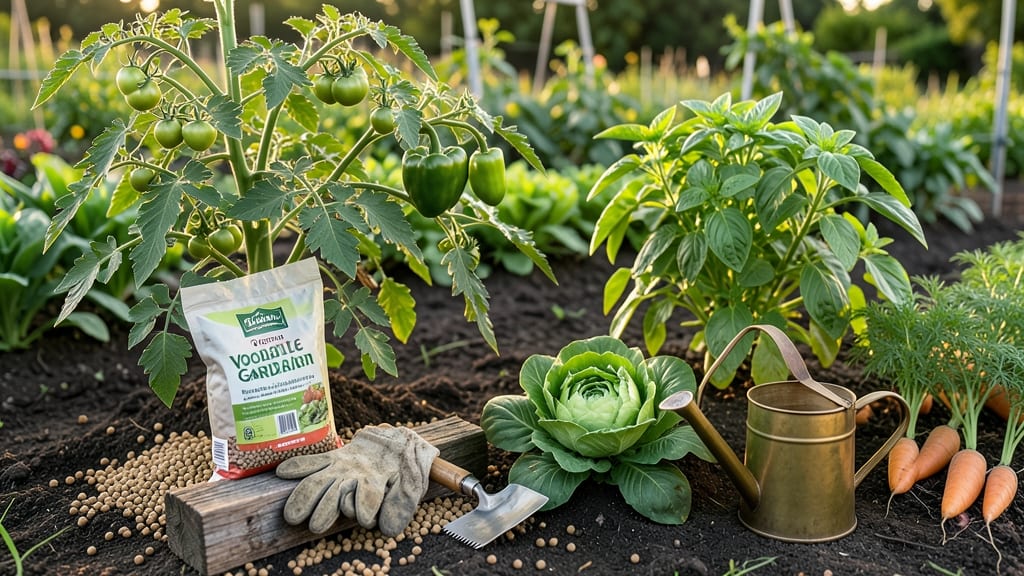
To fertilize your vegetable garden properly means feeding it every 3 to 6 weeks during the growing season—too little leaves hungry plants, while too much burns roots and wastes money.
Picture this: you’ve spent hours planting your 🥬 vegetable garden, only to watch crops underperform because the soil lacks nutrients. The fix isn’t complicated, but timing matters more than most gardeners realize.
Leafy greens like lettuce and spinach thrive with nitrogen-rich feedings every 3 weeks, while root crops such as carrots and potatoes need less frequent, balanced fertilizing every 6 weeks.
Below, I break down the exact schedule by plant type, signs of over- or under-feeding, and how to adjust for organic vs. synthetic fertilizers—so you can finally get the harvest you’re dreaming of.

Vegetable fertilization frequency by growth stage: when to feed for maximum yield
Fertilizing your vegetable garden isn't a one-size-fits-all task—it's a growth-stage dance that changes as your plants mature. I've learned the hard way that over-feeding seedlings can stunt their roots, while skipping nutrients during flowering leads to poor fruit set.
The key is understanding when to feed for maximum yield at each critical phase.
Most gardeners focus on general fertilization schedules, but your tomatoes and lettuce have completely different needs. Leafy greens thrive on nitrogen-heavy feeds early on, while fruiting plants need potassium boosts when they start flowering.
Let's break down the perfect timing for each growth stage to get the harvest you're dreaming of.
For seedlings, I start with a gentle nitrogen boost to encourage those first true leaves. Think of this stage as the foundation—too much fertilizer now can burn delicate roots and set your plants back. A fish emulsion or diluted balanced fertilizer works wonders without overwhelming young plants.
When your vegetables hit the vegetative growth stage, that's when you should increase feeding frequency. This is where leafy greens and stem vegetables like broccoli really take off. I switch to a high-nitrogen fertilizer like 12-6-6 or even compost tea for an organic option.
The goal here is lush foliage, so don't skimp on the nitrogen—just avoid going overboard.
Here's where most gardeners make their first big mistake: they don't adjust when plants start flowering. This is the critical transition point where you need to shift from nitrogen to phosphorus and potassium.
I reach for a bloom booster fertilizer like 5-10-10 during this phase. The increased phosphorus helps develop strong roots for flower and fruit formation, while potassium ensures those energy pathways are working properly.
During the fruiting stage, your plants are working overtime to produce that harvest you're dreaming of. This is when potassium becomes king. I've found that a potassium-rich fertilizer like 0-0-50 or even homemade banana peel tea works miracles.
The key here is maintenance feeding—not heavy applications. Too much potassium can actually lock out other nutrients, so I stick to lighter applications every 3-4 weeks.
Even after harvest begins, your plants still need nutrient support—especially if you're dealing with continuous harvest crops like lettuce or beans. I switch to a balanced fertilizer or simply top-dress with compost every 6-8 weeks.
This prevents nutrient depletion in the soil and keeps your plants producing at their peak for longer.
Remember, these are general guidelines—always adjust based on your specific soil test results and what you're growing. The most important rule is to always water thoroughly after fertilizing to prevent nutrient burn and ensure those nutrients reach your plant's roots where they're needed most.
🌱
Common mistakes that ruin your fertilizer schedule (and how to fix them)
Even the most well-planned vegetable gardens can suffer when fertilization goes wrong. I’ve seen nutrient burn turn lush green leaves into crispy brown edges, and over-fertilizing stunt growth instead of boosting it. The key is balance—knowing when to feed and when to let your soil rest.
Many gardeners make the mistake of treating fertilization like a one-size-fits-all task. But seasonal adjustments are critical—what works in summer (when plants grow rapidly) can harm them in winter (when they’re dormant). Let’s fix these common errors before your next planting season.
⚠️ Warning: Over-Fertilizing Your Vegetable Garden
Symptoms: Yellowing leaves, brown leaf edges, stunted growth, white crust on soil.
Why it happens: Too much fertilizer—especially high in nitrogen—can burn roots and disrupt soil microbes. Plants may look healthy above ground but suffer root rot below.
Fix it: Flush soil with water (1 inch per week for 2 weeks), reduce fertilizer by half, and test soil pH (ideal: 6.0–7.0 for most veggies). Use organic matter like compost to rebuild soil health.
Another frequent error is ignoring plant-specific needs. Leafy greens like spinach and lettuce thrive with high-nitrogen feeds every 3–4 weeks, while tomatoes and peppers need potassium-rich fertilizer during fruiting. Mixing these up leads to weak growth or poor harvests.
Seasonal timing is often overlooked. In spring, focus on root development with balanced fertilizers. By summer, switch to phosphorus and potassium to support flowering and fruiting. Fall is for light feeds to strengthen roots before winter, and winter? Skip it entirely—plants rest when temps drop.
Soil pH imbalances also sneak up on gardeners. If your soil is too acidic (pH < 6.0), nutrients like phosphorus become unavailable. Test your soil every 2–3 years and amend with lime (to raise pH) or sulfur (to lower it) as needed.
A simple $20 soil test kit saves hours of trial and error.
Finally, don’t forget that less can be more. Many gardeners panic when plants slow down and overcompensate with fertilizer. Instead, assess the soil and plant health first.
Yellowing leaves? Check for nitrogen deficiency. Wilting despite water? It might be salt buildup from over-fertilizing. Adjust gradually—your veggies will thank you at harvest time.