
How To
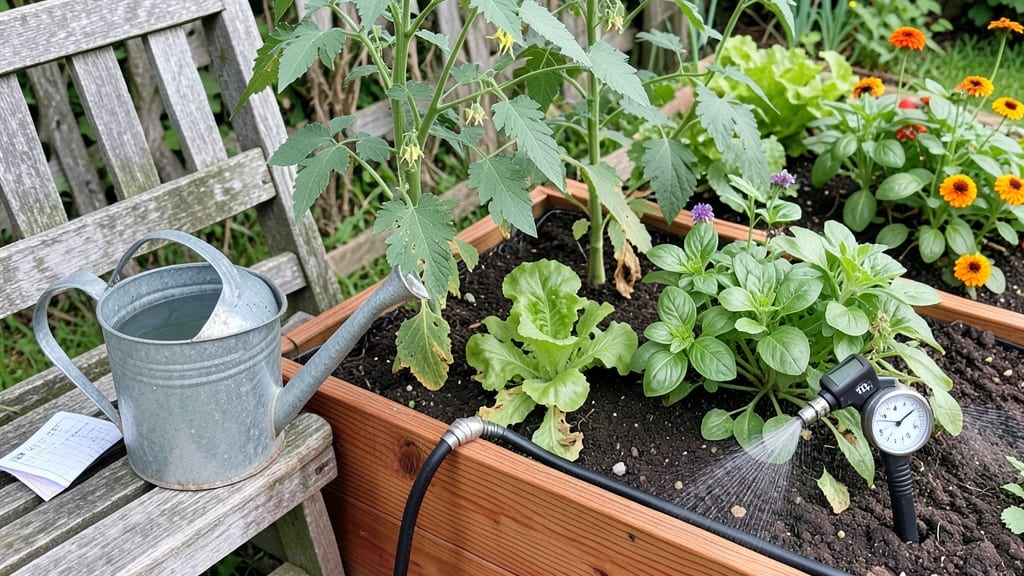
To water your garden the right way, you’ve got to check soil moisture—not just follow a calendar.
Overwatering kills more plants than underwatering, yet gardeners constantly guess when to water, leading to wasted resources or stunted growth. The secret lies in understanding your soil’s moisture triggers, not just following a rigid schedule.
If you’re planting General Garden Plants 🌱 in Zone 6a this spring, timing matters even more. A deep soak every 3-5 days in April keeps roots happy, but by summer, daily watering might be needed—unless you’ve got mulch working for you.
Below, I’ll break down the exact methods to test soil moisture, adjust for different plants, and avoid the 5 biggest watering mistakes that ruin gardens every year.
Soil-moisture testing methods to water plants at the right time
Mastering the art of soil-moisture testing transforms guesswork into precision. Instead of relying on a fixed watering schedule, I check soil conditions first—this prevents both root rot and wilting stress.
The key is understanding how different plants signal their needs, from succulents that thrive on dryness to leafy greens that crave consistent dampness.
My go-to methods include the finger test, the trowel method, and digital moisture meters. Each works best for specific scenarios: the finger test is perfect for container gardens, while the trowel method reveals deeper soil moisture for root vegetables.
Moisture meters shine when dealing with sandy soil that drains too quickly or clay soil that holds moisture for days.
Visual cues like leaf color and soil texture also guide me. For example, yellowing leaves often signal overwatering, while crispy leaf edges mean underwatering. Dark, clumpy soil usually means it’s time to water, but light-colored, crumbly soil suggests holding off. These clues help me adjust my watering routine without overdoing it.
Soil-Moisture Testing Methods Comparison
| Method | Best For | How Often | Depth Check | Cost |
|---|---|---|---|---|
| Finger Test | Potted plants, herbs, seedlings | Daily to weekly | 1-2 inches | Free |
| Trowel Method | Vegetables, perennials, in-ground plants | Weekly to bi-weekly | 3-6 inches | $5-$10 (trowel) |
| Moisture Meter | Large gardens, sandy/clay soil | Weekly | 6-12 inches | $15-$50 |
| Visual Cues | All plants (quick check) | Daily | Surface level | Free |
For succulents and drought-tolerant plants, I wait until the soil feels completely dry before watering again. These plants store water in their leaves and roots, so overwatering is their biggest enemy.
A simple finger test at the base of the pot tells me when it’s time to hydrate—usually every 2-3 weeks in summer and monthly in winter.
On the other hand, leafy greens like lettuce and flowering plants need consistently moist soil. I check the top 1-2 inches of soil daily during hot weather. If it feels dry, I water deeply until it’s damp but not soggy.
For tomatoes and peppers, I aim for 1-2 inches of water per week, adjusting based on rainfall and temperature.
Seasonal changes also affect my approach. In spring and fall, I rely more on the trowel method to check deeper moisture levels, as cooler temperatures slow evaporation.
During summer droughts, I switch to morning watering to reduce evaporation and use a moisture meter for large garden beds to avoid under- or overwatering.
One pro tip I swear by: Mulch your garden beds to slow moisture loss. A 2-inch layer of straw or wood chips keeps soil cooler and retains moisture longer, reducing how often I need to water.
This is especially helpful for newly planted perennials that need consistent moisture to establish roots.
Don’t forget to adjust for weather patterns. After a heavy rain, I skip watering entirely and let the soil dry out naturally. Conversely, during heatwaves, I increase frequency but reduce the amount per watering to prevent runoff.
Paying attention to these environmental cues helps me stay ahead of plant stress.
If you’re new to soil-moisture testing, start with the finger test—it’s free and gives you an instant read. Over time, you’ll develop an intuition for when your plants need water.
Remember, consistency is key: stick to one method until you’re comfortable, then refine as needed. Your plants will thank you with healthier growth and vibrant blooms! 🌱
Watering frequency by plant type: a seasonal breakdown
Watering your garden isn't one-size-fits-all—it depends on plant type, climate zone, and even the season. I’ve grown everything from drought-tolerant succulents to water-loving tomatoes, and I’ve learned that timing is everything.
In arid climates, your perennials might need watering just once a week, while tropical zones could require daily checks for herbs like basil. Let’s break it down by category so you can tailor your watering schedule like a pro.
Seasonal shifts also change the game. Spring planting calls for gentle, frequent watering to encourage root growth, while summer droughts demand deep, infrequent soaks. Even vegetables like lettuce and annuals such as marigolds have different needs.
Below, I’ve organized a seasonal watering guide to help you adjust your routine without guessing.
Adjusting for seasonal changes is key. In spring, focus on establishing roots with light, frequent watering. By summer, shift to deep watering early in the morning to reduce evaporation and fungal risks.
I’ve seen tomatoes wilt dramatically in heatwaves—always check soil moisture before watering. For winter, cut back drastically, as most plants enter dormancy and need far less.
Pro tip: Use a moisture meter or the finger test (stick your finger 1-2 inches into the soil) to avoid overwatering.
I’ve ruined more plants by drowning them than by letting them thirst a little. Mulching with straw or wood chips also helps retain moisture and regulate soil temperature, cutting your watering needs by up to 30%. Try it—your plants (and your water bill) will thank you.
Remember, every garden is unique. Amend your schedule based on your soil type, microclimate, and even the age of your plants. Start with these guidelines, then tweak as you observe how your garden responds. Happy gardening!