
Watering
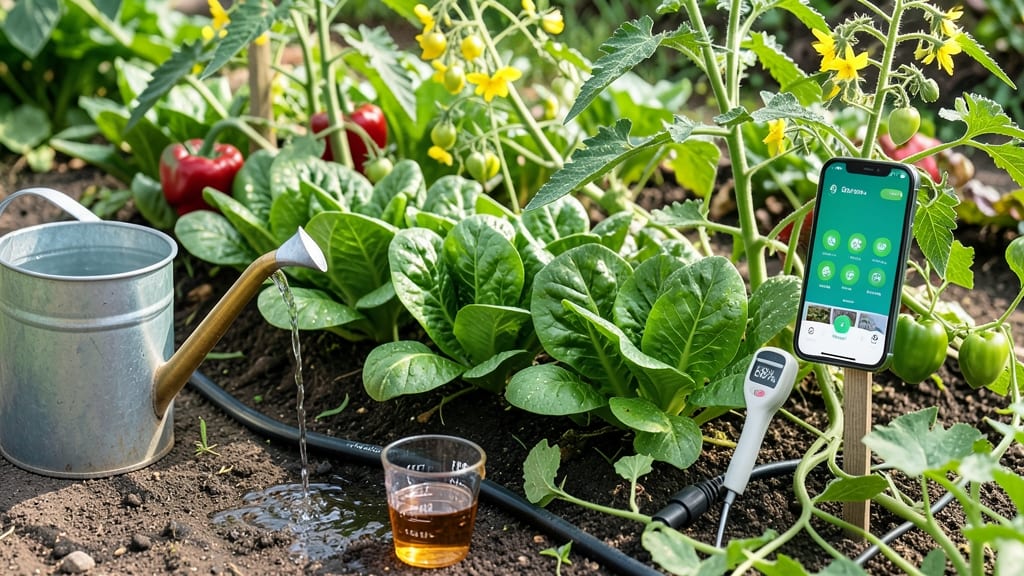
Watering your veg garden the right way means knowing how often to water—because too much or too little can ruin your harvest before it even starts.
Overwatering or underwatering your vegetable garden can turn your green thumb into a brown disaster—yet most gardeners still guess how often to water. The right schedule depends on plant type, season, and soil, not just a one-size-fits-all rule.
Leafy greens like lettuce need frequent, shallow watering, while root crops such as carrots prefer deep but infrequent soaking. Summer heat demands daily checks, while spring showers mean you might skip watering altogether.
Below, I’ll break down the exact watering schedule for your most common veggies, seasonal tricks to save water, and how to tell if your plants are thirsty—or drowning.
Watering frequency by vegetable type: a plant-specific guide
Not all vegetables thirst the same way—what works for leafy greens can drown root crops, while tomatoes and peppers demand consistent moisture to prevent stress. The key? Understanding each plant’s soil moisture needs and drought tolerance.
For example, lettuce wilts in dry soil within days, while carrots rot if overwatered. Let’s break down the watering schedules for your top veggies to keep them thriving without guesswork.
Your watering frequency should align with a plant’s growth stage, root depth, and climate zone. Seedlings need gentle, frequent watering, while mature plants benefit from deep, infrequent soakings.
Even the soil type matters—sandy soil drains fast, while clay holds moisture longer. Below, we’ll cover the water needs for 12 common vegetables, ranked by their tolerance for dry spells.
Pro Tip: Always water at the base of plants (not overhead) to prevent fungal diseases like blight or powdery mildew. Early morning is ideal—it gives foliage time to dry before evening humidity sets in.
For tomatoes and peppers, deep watering 2–3 times per week is non-negotiable—these plants hate moisture fluctuations, which cause bloss
Seasonal watering adjustments: when to water more (or less)
Your vegetable garden's watering needs change dramatically with the seasons. What works in spring showers can drown plants in summer heatwaves, while fall rains might mean you need to hold back.
The key is adapting your schedule to match nature's rhythm while watching for subtle signs your plants are thirsty or overwatered.
I've learned the hard way that leaf curl on tomatoes or blossom end rot on peppers often signal watering gone wrong. These issues aren't just about frequency—they're about timing, soil moisture consistency, and understanding how seasonal shifts affect your plants' needs.
Let's break down how to adjust your watering routine for each season.
In spring, I cut back watering as temperatures rise and natural rainfall increases. Most vegetables tolerate 50-70% less water than summer needs during this transition period.
Focus on deep watering sessions every 5-7 days rather than light daily sprinkles. This encourages root growth downward where it's cooler and more stable.
By late spring to summer, your watering routine should shift to morning consistency. Most vegetable plants need 1-1.5 inches of water weekly, but during heatwaves, I increase this to daily deep watering.
Watch for wilting leaves that don't recover by evening—this is your plant's SOS signal. Shallow-rooted crops like basil and spinach need more frequent watering than deep-rooted tomatoes.
Autumn brings its own challenges. Early fall often means reduced watering as cooler temps slow evaporation, but late fall requires careful monitoring. Too much water now can stress roots before dormancy, while too little leaves plants vulnerable to frost damage.
I typically water 2-3 times weekly in fall, always checking soil moisture before watering.
Winter watering depends entirely on your climate. In mild winters, I maintain minimal watering (every 2-3 weeks) to prevent soil compaction. In frozen regions, I skip watering entirely unless we have unusually warm spells. Always water in the late morning to prevent freezing overnight.
Remember: soil type matters most. Sandy soil drains quickly and needs more frequent watering, while clay holds moisture longer. Always test soil moisture before watering—stick your finger 1-2 inches deep. If it's dry, water; if damp, wait. This simple check saves countless gallons of water and prevents root rot.