
Size
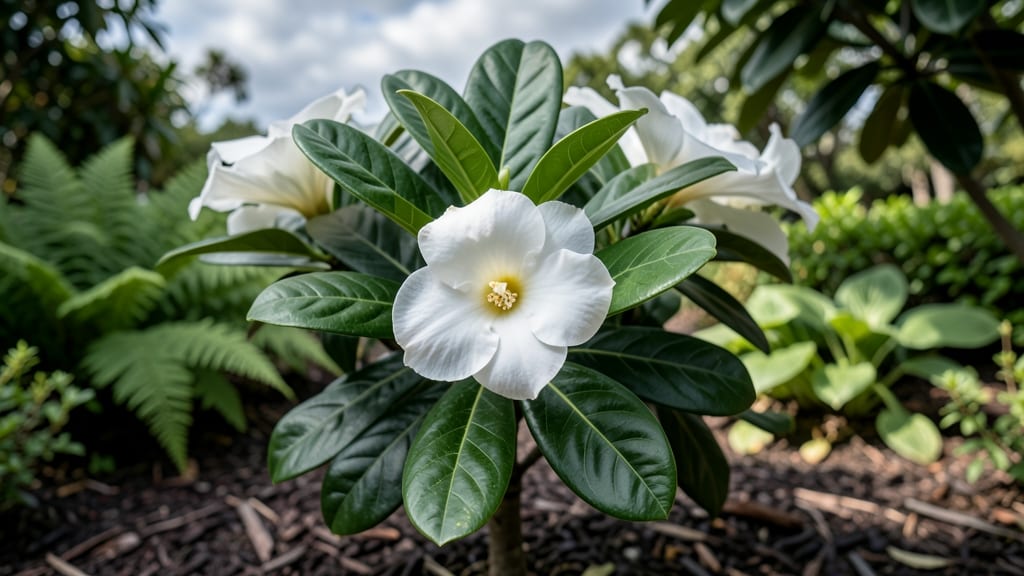
Gardenia plants grow anywhere from 2 to 6 feet tall depending on the variety, with some dwarf types staying under 3 feet while others reach small tree height.
Picture this: you’ve chosen the perfect spot for your fragrant 🌸 gardenia, only to realize it’s outgrowing its space—or worse, not filling out as expected. The key to avoiding this frustration lies in understanding how each type matures and what factors influence its height.
From the compact Gardenia jasminoides, which stays around 3-4 feet, to the towering Gardenia augusta that can hit 6 feet, the differences are dramatic. Even pruning habits and climate play a role in whether your gardenia stays manageable or becomes a vertical statement piece.
Here’s what you’ll discover: the exact height ranges for popular varieties, how to control growth through pruning, and the common mistakes that send gardenias skyrocketing—or stunting—unexpectedly.


Gardenia height by variety: from dwarf to tree-like sizes
Choosing the right gardenia variety isn't just about fragrance—it's about space planning. Some varieties stay under 3 feet, perfect for containers or foundation plantings, while others reach 10 feet, making them small trees.
The Gardenia jasminoides, the most common type, typically grows between 3 to 6 feet at maturity, but there are dwarf varieties that stay as short as 2 feet. Understanding these differences helps you place them where they'll thrive without crowding other plants.
Your garden's layout depends heavily on the variety you choose. For example, Gardenia augusta (also called Cape Jasmine) can grow up to 10 feet tall in tropical climates, while Radicans varieties stay compact at 2 to 3 feet.
Even within the same species, growth habits vary—some sprawl wider, while others grow taller. Let's explore the most popular varieties and their mature heights to help you make the best choice for your space.
| Variety | Mature Height | Growth Habit | Best For |
|---|---|---|---|
| Dwarf Gardenia (Radicans) | 2–3 ft | Compact, bushy | Containers, borders, small gardens |
| Gardenia jasminoides (Standard) | 3–6 ft | Upright, rounded | Foundation plantings, shrub borders |
| Fortuniana | 4–8 ft | Tall, spreading | Privacy screens, large gardens |
| Gardenia augusta (Cape Jasmine) | 6–10 ft | Tree-like, sprawling | Tropical landscapes, large estates |
| Kleimschmidtiana | 2–4 ft | Low-growing, spreading | Ground cover, rock gardens |
If you're working with limited space, dwarf varieties like Radicans or Kleimschmidtiana are ideal. These stay under 3 feet and work beautifully in containers or as border plants.
Their compact size makes them perfect for patios, balconies, or small urban gardens where space is at a premium. Just ensure they get partial shade and well-draining soil to thrive.
The standard Gardenia jasminoides is the most versatile choice for medium-sized gardens. With heights of 3 to 6 feet, they fit well in foundation plantings, shrub borders, or as specimen plants in garden beds.
Their upright growth habit allows them to be placed near walkways or entryways, where their fragrance can be enjoyed up close. Pruning can help maintain their shape and encourage more blooms.
For those with larger properties, varieties like Fortuniana or Gardenia augusta can create stunning focal points. These tree-like gardenias reach heights of 6 to 10 feet and thrive in tropical or subtropical climates.
They're perfect for privacy screens, large garden backdrops, or even as small shade trees. Their sprawling branches also provide excellent habitat for birds and butterflies.
Climate plays a huge role in how tall your gardenia grows. In warmer zones (USDA 9-11), varieties like Gardenia augusta can grow much taller, sometimes exceeding 10 feet.
However, in cooler climates (USDA 7-8), growth may be slower, and plants might stay shorter unless given extra protection during winter. Always check your local hardiness zone and choose varieties that suit your climate.
Another factor influencing height is pruning practices. Regular pruning can keep even tall varieties in check, while lack of pruning can lead to leggy, overgrown plants. If you want to control height naturally, prune in late winter or early spring before new growth begins.
This encourages bushier, more compact growth and prevents the plant from becoming too tall for its space.
For container gardening, always opt for dwarf varieties like Radicans or Kleimschmidtiana. These stay manageable in 15- to 20-gallon pots and can be moved around as needed. Larger varieties will need much bigger containers and may require staking for support as they grow.
Always use well-draining potting mix with a slightly acidic pH (5.0-6.5) to keep them healthy.
If you're planting gardenias near walkways or patios, consider their mature height to avoid obstructing views or pathways. A 6-foot-tall gardenia planted too close to a walkway can become an eyesore or even a tripping hazard as it grows.
Give taller varieties at least 4 to 6 feet of clearance from structures, while dwarf varieties can be planted closer to 3 feet away
How to control gardenia height through pruning & training
Pruning your gardenia isn't just about keeping it neat—it's a powerful way to control its height and encourage bushier growth.
Whether you have a tall gardenia reaching for the sky or a compact variety needing a trim, the right techniques will help you shape it to fit your space perfectly. The key is timing, tools, and gentle pruning methods that don’t stress the plant.
Gardenias respond best to light pruning after they finish blooming, typically in late spring or early summer. This timing ensures you don’t cut off next year’s flower buds, which form on old wood.
Using the right tools—like sharp, sterilized pruners—and making clean cuts at a 45-degree angle just above a leaf node will promote healthier regrowth and maintain your plant’s natural shape.
Step-by-Step Guide to Pruning Gardenias for Height Control
- 1 Choose the right time: Prune after blooming in late spring or early summer to avoid cutting flower buds.
- 2 Gather tools: Use sterilized pruners, sharp shears, and rubbing alcohol to clean tools between cuts.
- 3 Identify growth points: Look for leaf nodes or buds where new growth will sprout after pruning.
- 4 Make clean cuts: Trim at a 45-degree angle just above a leaf node to encourage outward growth.
- 5 Shape gradually: Remove no more than 1/3 of the plant in one session to avoid shocking it.
- 6 Fertilize after pruning: Apply a balanced fertilizer (10-10-10) to support new growth and recovery.
For tall gardenias that need serious height control, consider selective pruning of the upper branches. Focus on removing the longest stems first, which will redirect energy toward lateral branches and create a fuller, more compact shape.
If you’re dealing with a standard-sized gardenia (4-6 feet tall), aim to prune just the tips of branches to encourage bushiness without drastically reducing height.
Training is another effective method, especially for young gardenias. Use a stake or trellis to guide growth in a specific direction, which can prevent legginess and keep the plant within your desired height range.
This technique works well for dwarf varieties that naturally stay under 3 feet but may stretch if not supported.
After pruning, monitor your gardenia closely for signs of stress, such as yellowing leaves or dropped buds. These could indicate over-pruning or improper timing.
If you notice these issues, reduce future pruning and focus on providing consistent care, including regular watering and acidic soil conditions, to help the plant recover.
With patience and practice, you’ll master the art of height control in your gardenias, ensuring they remain the perfect size for your garden while continuing to produce those fragrant blooms you love. 🌿✂️