
Landscaping
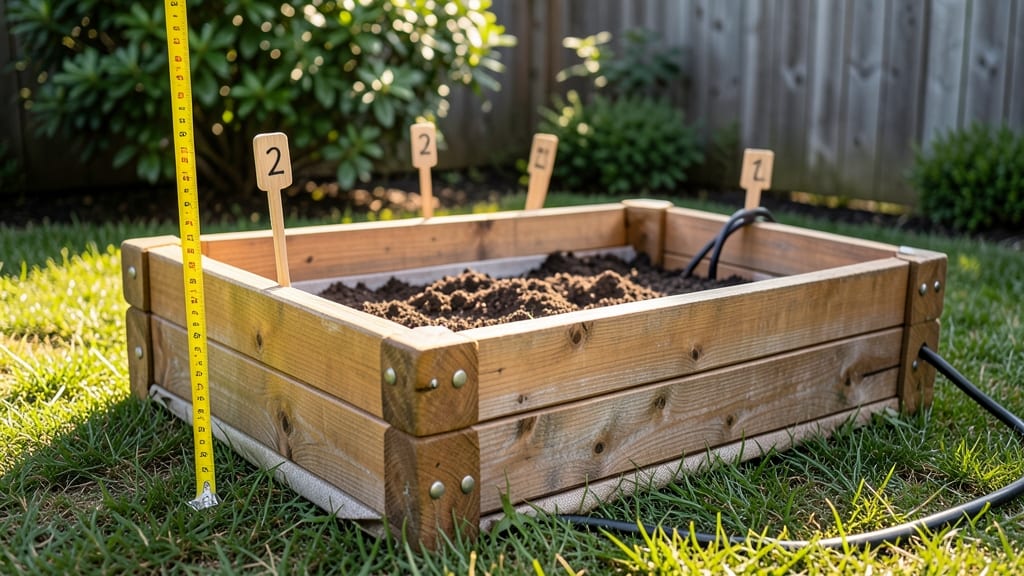
Making raised garden beds the right height is the foundation of a thriving garden 🌱—because too shallow and your carrots will never reach their full potential, while too tall can turn watering into a backbreaking chore.
Struggling to decide how high your raised garden beds should be? The right height isn’t just about aesthetics—it directly impacts root growth, drainage, and even the types of plants you can grow. Get the dimensions wrong, and you’ll either drown your plants or watch their roots bind in frustration.
Most gardeners aim for 6 to 12 inches as a starting point, but that’s just the baseline. Deep-rooted crops like asparagus or tomatoes demand 18 inches or more, while shallow-rooted herbs and greens thrive in just 6 inches of soil.
The key is balancing depth with accessibility—because a bed that’s too tall becomes a pain to tend.
In this guide, I’ll break down the ideal heights for different plants, how to customize your beds for ease of use, and the common mistakes that lead to wasted soil and stunted growth. Let’s build a bed that works as hard as you do.


Ideal raised garden bed heights by root depth requirements
When building raised garden beds, the height isn’t just about how high you can reach—it’s about giving your plants the root space they need to thrive.
Shallow-rooted herbs like basil or chives only need 6–12 inches of soil, while deep-rooted vegetables like carrots or asparagus demand 18–24 inches to grow properly. The right depth prevents root binding, improves drainage, and maximizes your harvest.
Let’s break down the science behind raised bed heights and how to match them to your plants.
Most gardeners start with a 12-inch deep bed because it accommodates the majority of vegetables, herbs, and flowers. However, if you’re growing root crops like potatoes or beets, you’ll need to go deeper—up to 18 inches—to avoid stunted growth.
For perennial plants like fruit trees or rhubarb, a 24-inch depth is ideal. The key is understanding your plants’ root depth requirements and designing your beds accordingly.
Here’s a quick guide to help you visualize the perfect height for your raised beds, based on the plants you want to grow:
For shallow-rooted plants, a 12-inch bed is perfect because it provides enough soil volume without wasting space. These plants, like leafy greens or herbs, don’t need deep soil to thrive—they focus their energy on producing foliage above ground.
However, even in shallow beds, ensure the soil is well-aerated and rich in organic matter to prevent compaction, which can strangle roots.
When growing moderate-rooted vegetables such as tomatoes or peppers, aim for a 18-inch bed. These plants benefit from extra depth because their roots spread wider as they mature. A deeper bed also improves drainage, reducing the risk of root rot in heavy clay soils.
If you’re growing these in a 12-inch bed, you might see smaller yields or weaker plants because their roots are restricted.
Deep-rooted plants like carrots or asparagus are the most demanding when it comes to bed height. A 24-inch depth ensures their roots can grow freely without hitting the bottom of the bed. Without enough space, these plants will become stunted or forked, making them difficult to harvest.
If you’re growing asparagus, consider a 30-inch bed or even a tiered design to give the crowns room to expand over time.
One common mistake is assuming that taller beds always mean better results. While deeper beds are great for root crops, they can also retain too much moisture, leading to anaerobic conditions that suffocate roots.
To prevent this, always include amendments like perlite or coarse sand to improve drainage, especially in beds taller than 18 inches. Additionally, avoid filling beds with compacted soil—use a mix of topsoil, compost, and organic matter to keep the soil loose and fertile.
If you’re unsure about the height for your specific plants, start with a 12-inch bed and adjust as needed. You can always add layers of soil later if your plants outgrow the space.
For example, if you plant carrots in a 12-inch bed and they start to fork, simply add another 6–12 inches of soil mix around them. This flexibility is one of the biggest advantages of raised beds!
Pro tip: If you’re growing a mix of plants with different root depths, consider creating multiple beds or using dividers to separate deep-rooted crops from shallow ones. This way, you can tailor the soil depth to
How tall should raised beds be for accessibility and soil quality?
When designing raised garden beds, height isn't just about how high you can reach—it's about creating the perfect environment for your plants. A bed that's too shallow will stunt root growth, while one that's too tall may become a back-breaking chore.
The ideal height balances accessibility, soil quality, and plant needs, ensuring your garden thrives without sacrificing comfort.
Most gardeners start with beds between 6 and 12 inches tall. This range works beautifully for leafy greens, herbs, and shallow-rooted vegetables like lettuce and radishes. It also keeps gardening tasks manageable for people of all ages and mobility levels.
But if you're dreaming of growing asparagus or fruit trees, you'll need to think bigger.
Taller beds also solve common soil problems. For instance, a 12-inch bed reduces soil compaction by keeping your feet off the planting area. It also improves drainage, preventing waterlogged roots that can lead to rot.
If your garden sits in a low-lying area or has heavy clay soil, consider raising the bed height to 18 inches for better water control.
Accessibility is another key factor. A 12-inch bed sits at about waist height for most adults, making planting, weeding, and harvesting a breeze. For gardeners with mobility challenges, adding a 2-inch lip around the edges can prevent soil from spilling out while keeping the bed height manageable.
If you're gardening with kids, a slightly lower bed—around 8–10 inches—lets them participate without straining.
For specialty crops like asparagus, which needs 18 inches of soil depth to establish strong roots, or apple trees, which can require 24+ inches, taller beds are a must.
Just remember, the taller the bed, the more sturdy materials you'll need. Cedar or redwood are excellent choices for their natural rot resistance, while composite lumber offers a low-maintenance alternative.
Ultimately, the best height for your raised bed depends on your plants, your space, and your needs. Start with a 12-inch bed for versatility, then adjust based on what you're growing.
And don’t forget to mix in compost and organic matter to keep the soil rich and fluffy, no matter how tall your bed may be! 🌱