
How To
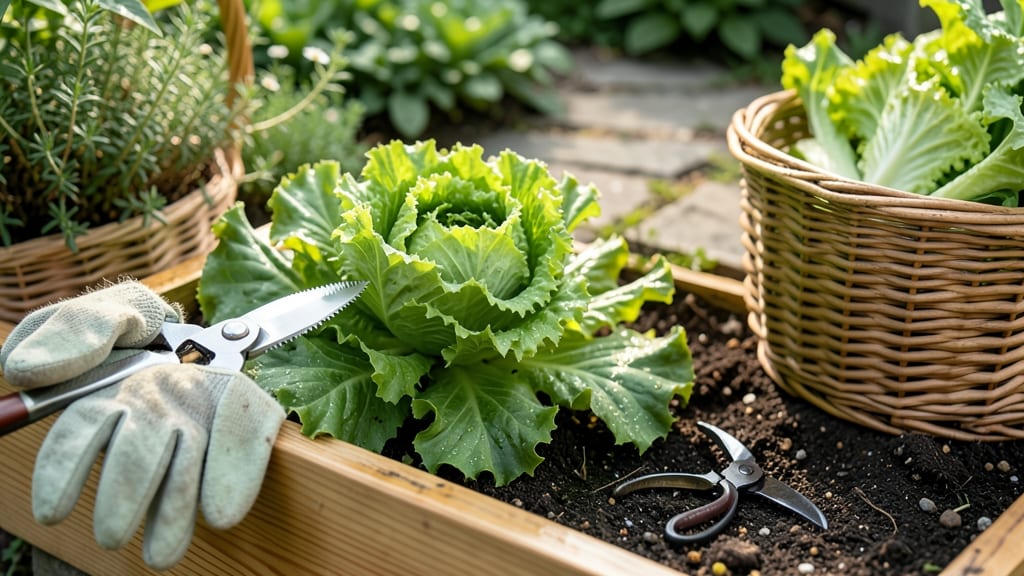
To harvest lettuce from your garden at the perfect moment means crisp, flavorful leaves that taste nothing like the sad store-bought kind.
Fresh, crisp lettuce straight from your garden tastes nothing like store-bought—but knowing when and how to harvest it makes all the difference between a meal-worthy harvest and wilted disappointment.
Most gardeners wait too long, letting their 🥬 bolt into bitter stems, or pull leaves too early, stunting future growth. The trick is spotting the three key signs: leaves reaching 4-6 inches, vibrant color, and a firm, crisp texture.
In this guide, I’ll walk you through the exact cutting techniques—whether you’re harvesting whole heads or leaf by leaf—to keep your plants producing for weeks, plus how to revive them after each pick.


3 Clear signs your lettuce is ready for harvesting (with visual cues)
There’s nothing quite like the taste of homegrown lettuce—crisp, fresh, and packed with flavor. But knowing when to harvest can be tricky. Pick too early, and you’ll end up with small, tender leaves.
Wait too long, and you risk bitter bolting or tough texture. The key is spotting these three clear maturity signs before reaching for your shears.
Lettuce varieties like butterhead, romaine, and loose-leaf all mature at slightly different rates, but the visual cues remain consistent. Ignoring these signs often leads to premature harvesting (wasting potential yield) or over-mature lettuce (bolting or woody stems).
Mastering these cues ensures you get the best flavor and texture every time.
Here’s what to look for—plus how to avoid common mistakes that ruin your harvest.
- 1 Leaf Size: 4–6 Inches Long
- 2 Texture: Crisp and Firm
- 3 Color: Deep and Vibrant
Most lettuce varieties are ready when outer leaves reach 4–6 inches in length. For loose-leaf types, this means individual leaves are fully unfurled. Romaine and cos varieties should form a tight, compact head with leaves this size.
Run your fingers over the outer leaves. Ready-to-harvest lettuce should feel crisp and firm, not floppy or rubbery. A gentle squeeze should yield slight resistance—like a fresh grocery store head, not a wilted one.
Pale or yellowing leaves signal nutrient deficiency or over-maturity. Ready lettuce has rich, consistent color—deep green for butterhead, vibrant red or purple for romaine, and uniform hue for loose-leaf. Avoid harvesting if leaves show white or brown spots.
One of the biggest mistakes gardeners make is harvesting based on days after planting alone. While most lettuce matures in 30–60 days, environmental factors like temperature and sunlight can delay or speed up growth. For example, hot weather causes lettuce to bolt prematurely, while cool spring mornings slow development.
Another error? Cutting the entire head at once instead of harvesting outer leaves first. This technique encourages continuous regrowth, giving you a second (or even third) harvest. For loose-leaf varieties, you can snip individual leaves as they mature, extending your harvest window by weeks.
Pay attention to the base of the plant too. If you see a tall, flower stalk emerging, your lettuce has bolted—meaning it’s past its prime. Bolting often happens in spring or fall when days get longer or shorter.
To prevent this, provide light shade during peak heat and keep soil consistently moist.
Pro tip: Harvest in the morning after dew has dried but before the sun intensifies. This ensures maximum crispness and flavor. Use a sharp pair of scissors or pruners to avoid crushing leaves, and always cut at a 45-degree angle just above a leaf node to encourage new growth.
With these three key signs—leaf size, texture, and color—you’ll never miss the perfect harvest window again. Soon, you’ll be enjoying homegrown lettuce that rivals (and surpasses) anything from the store.
Step-by-step lettuce harvesting techniques for maximum yield
Harvesting lettuce at the right time and using the proper technique can transform your garden into a year-round salad bar. The key is choosing between whole-head harvesting for dense varieties like romaine or leaf-by-leaf harvesting for loose-leaf types like butterhead.
Each method extends your harvest season and keeps your plants productive—if done correctly.
Timing matters most: Wait until leaves reach 4-6 inches long and show vibrant color. Premature harvesting yields small, bitter leaves, while waiting too long risks bolting (flowering). I’ve found that morning harvests deliver the crispest lettuce, as evening heat can cause wilting.
Grab your sharp pruners or clean knife—dull tools crush leaves, inviting pests and disease.
| Method | Best For | Tools Needed | Harvest Time | Yield Impact |
|---|---|---|---|---|
| Whole-Head | Romaine, Iceberg, Crisphead | Sharp knife, garden shears | 45-60 days (full maturity) | Single harvest; plant bolts afterward |
| Leaf-by-Leaf | Butterhead, Loose-Leaf, Bibb | Clean scissors, fingers (for tender leaves) | 30-45 days (outer leaves first) | Extended harvest; regrows for 6-8 weeks |
| Cut-and-Come-Again | All varieties (especially heat-tolerant types) | Pruners, clean knife | 30+ days (outer leaves every 2-3 weeks) | 2-3 harvests per season; avoids bolting |
For whole-head harvesting, grip the base firmly and slice just above the soil line with a sterilized knife. This method works best for romaine or iceberg, but the plant won’t regrow—so plan for succession planting.
I’ve seen gardeners double their yield by interplanting fast-maturing varieties like black-seeded Simpson every 2 weeks.
Leaf-by-leaf harvesting is my go-to for butterhead and loose-leaf types. Start with the outermost leaves, cutting at a 45-degree angle to encourage new growth. Avoid removing more than 1/3 of the plant at once, or you’ll shock the center.
Pro tip: Harvest in the coolest part of the day to prevent wilting—even a slight breeze can stress freshly cut leaves.
After harvesting, rinse leaves under cool water to remove dirt, then pat dry with a clean towel. Store in a perforated plastic bag in the fridge for up to 5 days.
For long-term storage, try fermenting or freezing—both preserve crispness better than raw storage. My romaine stays fresh for weeks when blanched and frozen!
Extend your harvest season by choosing heat-tolerant varieties like Jericho or Fordhook Giant. These thrive in 75-85°F temperatures, while traditional lettuces bolt by 65°F.
Pair them with shade cloth during summer to keep leaves tender. With the right techniques, you’ll enjoy homegrown lettuce from spring to fall—no greenhouse needed.