
Tools
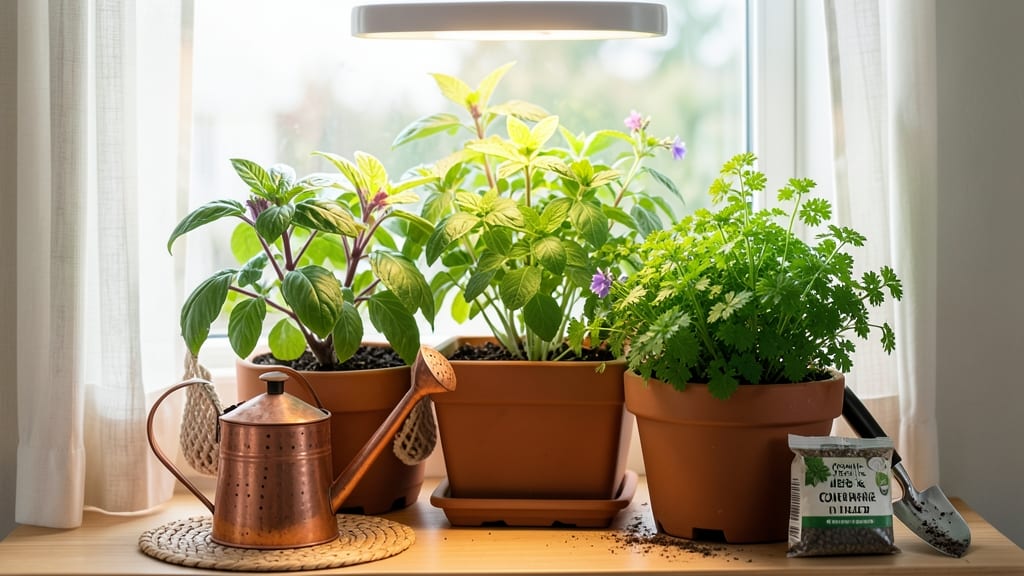
Having a garden in an apartment isn’t just possible—it’s easier than you think with the right approach and General Apartment Plants 🌱 that thrive in small spaces.
Picture this: fresh basil on your windowsill, cherry tomatoes dangling from a balcony planter, or a windowsill bursting with microgreens—all without stepping outside. The secret isn’t just clever containers; it’s about working with what you’ve got, whether that’s a sunny ledge or a dim corner.
You don’t need a green thumb or a sprawling yard to grow lush, productive plants. With vertical gardening, smart lighting, and a few low-maintenance varieties, even a tiny balcony or kitchen counter can become a thriving mini-garden.
In this guide, I’ll show you how to maximize every inch—from choosing the best plants for your space to setting up a system that’s as beautiful as it is functional. Ready to turn your apartment into a green oasis?
Best small-space garden setups for apartments: from balconies to windowsills
Even the tiniest apartment can become a lush garden paradise with the right setup. Whether you have a sun-drenched balcony, a north-facing windowsill, or just a kitchen counter, creative container gardening transforms dead space into a thriving ecosystem.
The key is choosing layouts that maximize vertical space, optimize sunlight exposure, and match your plants' needs.
I’ve tested three proven setups—hanging gardens, tiered shelves, and window boxes—each with unique benefits. For example, hanging planters save floor space while tiered shelves create a cascading effect, and window boxes maximize natural light.
Let’s compare them so you can pick the perfect fit for your apartment’s layout and sunlight conditions.
🌱 Pro Tip: Always prioritize drainage holes in containers and use lightweight potting mix to avoid straining balconies or windowsills.
| Setup Type | Space Needs | Sunlight Needs | Best Plants | Pros | Cons |
|---|---|---|---|---|---|
| Hanging Gardens | 2–6 sq ft per planter; ceiling height ≥ 8 ft | Partial to full sun (4–8 hrs/day) | Herbs (basil, thyme), trailing flowers (petunias, nasturtiums), strawberries | Saves floor space; great for balconies; aesthetic appeal | Harder to water; risk of root rot if overwatered |
| Tiered Shelves | 3–10 sq ft total; wall-mounted or freestanding | Bright indirect to full sun (3–6 hrs/day) | Succulents, dwarf veggies (peppers, lettuce), air plants | Maximizes vertical space; easy access; customizable | Requires sturdy shelves; bottom plants may get shaded |
| Window Boxes | 1–3 sq ft per box; window width-dependent | Full sun to partial shade (6+ hrs/day) | Herbs (parsley, chives), flowers (marigolds, pansies), microgreens | Optimizes natural light; decorative; easy to rotate | Limited depth for root growth; may dry out faster |
For balconies with full sun, hanging gardens are ideal—trailing plants like nasturtiums or herbs like basil thrive here.
If your space is north-facing, opt for tiered shelves with light-loving succulents or leafy greens that tolerate lower light. Window boxes work wonders for south or west windows, where you can grow peppers, tomatoes, or flowers like marigolds.
I recommend starting with one setup to test what works best. For example, if you’re new to gardening, window boxes are the easiest to manage due to their proximity to natural light. Once you’re comfortable, expand to tiered shelves or hanging planters for a more dynamic look.
💡 Light Hack: Place reflective surfaces (like mirrors) near windows to bounce extra light onto plants in darker corners. This trick can extend your growing space by 30% in low-light apartments.
Don’t overlook indoor setups like grow lights or self-watering pots—they’re game-changers for windowless rooms. A small LED grow light (like a 10-watt clip-on bulb) can keep herbs or microgreens thriving year-round, even in a bathroom or closet. Pair it with a 5-gallon fabric pot for easy mobility.
✂️ Pruning Tip: Regularly trim herbs like mint or basil to encourage bushier growth. This also prevents them from outgrowing their containers too quickly—a common issue in small-space gardens.
Finally, rotate your containers every few weeks to ensure even sunlight exposure. Plants lean toward light sources, so a simple quarter-turn weekly keeps them growing straight and healthy. With these setups, you’ll enjoy fresh herbs, vibrant flowers, and even homegrown veggies—no yard required!
Top 10 low-maintenance plants perfect for apartment gardening
Apartment gardening thrives on space efficiency and low-maintenance plants that deliver big results with minimal effort. The right choices can give you fresh herbs, vegetables, and flowers without overwhelming your schedule or space.
I’ve curated this list focusing on pest-resistant, fast-growing varieties that thrive in containers and need minimal care—perfect for busy urban dwellers.
For herbs, basil and mint are top contenders, but they have different needs. Basil loves full sun and grows quickly, while mint spreads aggressively and prefers partial shade.
When it comes to vegetables, cherry tomatoes and peppers are compact powerhouses, but cherry tomatoes produce faster and need more sunlight than peppers. Let’s dive into the full list of winners for your tiny garden.
🌱 Best Low-Maintenance Apartment Plants
- 🌿 Basil – 6-8 hrs sun, harvest in 6-8 weeks, pest-resistant
- 🌿 Mint – 4-6 hrs sun, spreading habit, great for tea
- 🍅 Cherry Tomatoes – 6+ hrs sun, compact varieties, harvest in 8-10 weeks
- 🌶 Peppers (Dwarf) – 6 hrs sun, slow-growing, harvest in 10-12 weeks
- 🌱 Lettuce (Leaf) – 4-6 hrs sun, cut-and-come-again, harvest in 3-4 weeks
- 🌿 Parsley – 4-6 hrs sun, biennial, slow but steady
- 🌼 Marigolds – full sun, pest-repellent, bright colors
- 🌱 Green Onions – 4-6 hrs sun, fast regrowth, harvest in 6-8 weeks
- 🍃 Thyme – full sun, drought-tolerant, perennial
- 🌿 Chives – 4-6 hrs sun, edible flowers, harvest in 8-10 weeks
Each of these plants is chosen for its adaptability to container life and resistance to common pests like aphids or spider mites. For example, marigolds naturally repel pests, making them a great companion plant for your herbs or vegetables.
Meanwhile, lettuce and green onions grow quickly, so you won’t wait long to enjoy your harvest.
When selecting containers, prioritize drainage holes and well-draining soil to prevent root rot. For sunlight, place pots near a south- or west-facing window or use a small grow light for 6-8 hours daily if natural light is limited.
Rotate your plants weekly to ensure even growth and prevent them from leaning toward the light.
Start with 3-5 plants to keep maintenance manageable, and choose a mix of herbs, vegetables, and flowers for variety. For instance, pair basil with cherry tomatoes and marigolds in a single 10-inch pot—they’ll complement each other’s growth habits and flavors.
With these low-maintenance plants, you’ll enjoy a thriving apartment garden with minimal effort.