
Tools
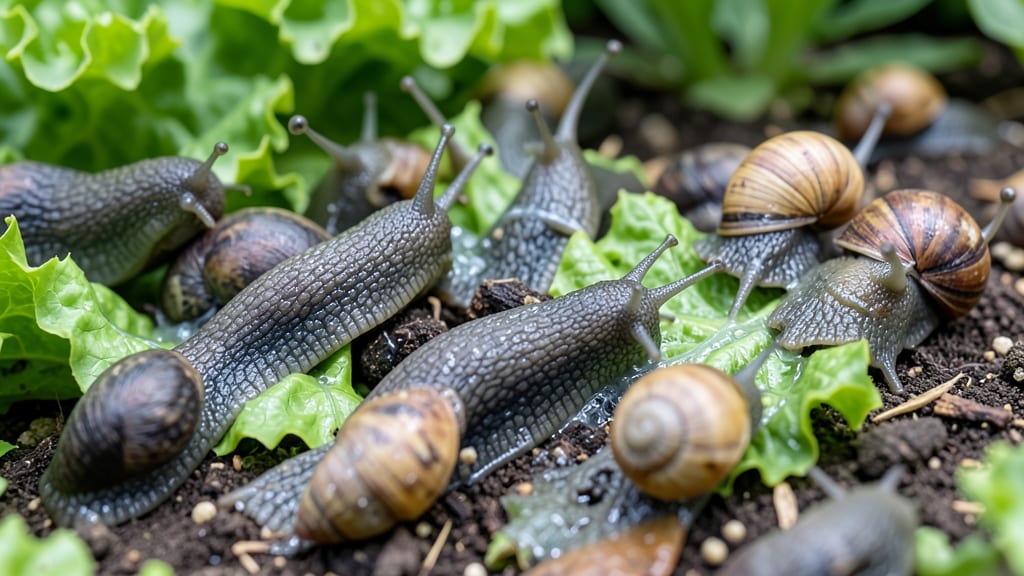
To rid your garden of slugs and snails, a copper barrier trap is the fastest, chemical-free solution that works overnight—no guesswork, no waiting weeks for results.
Picture this: You wake up to find your favorite tomatoes and hostas reduced to skeleton leaves, all thanks to a nighttime feast by these slimy pests.
The good news? Copper tape or wire creates an invisible electric fence slugs and snails can’t cross, and it’s safe for pets and pollinators once installed.
Beyond copper, I’ll show you five organic repellents that actually stop slugs in their tracks—no more wasted money on ineffective beer traps or crushed eggshells that wash away in the rain. You’ll learn which methods work best in Zone 6 gardens and how to combine them for stubborn infestations.
Ready to reclaim your garden without harming the ecosystem? By the end, you’ll have a step-by-step plan to keep slugs and snails out for good, plus pro tips to prevent them from returning next season.
Copper barrier trap secrets: why it works and how to set it up right
Slugs and snails are notorious for their silver trails and voracious appetites, but copper barriers offer a chemical-free solution that actually works.
The secret lies in electrical conduction—when these pests crawl across copper, they receive a tiny but unpleasant electrical shock through their slimy bodies, causing them to retreat. This isn't just folklore; science backs it up!
Copper's effectiveness comes from its natural conductivity. Slugs and snails have sensitive nervous systems that react to electrical impulses. A 1/16-inch-thick copper strip creates enough resistance to deter them without harming plants or beneficial insects. The best part? It's reusable and long-lasting when properly maintained.
Before setting up your barrier, ensure you choose the right type of copper. Pure copper sheets or copper tape work best, but avoid plated copper—it wears out faster.
For maximum protection, place the barrier around container edges, raised beds, and hosta patches, where slugs love to hide. A 2-inch-wide strip is ideal for most gardens.
Now, let's dive into the step-by-step process to set up your copper barrier like a pro. Follow these instructions to ensure maximum effectiveness and avoid common pitfalls.
Select 1/16-inch-thick copper tape or sheets from a garden center. Avoid thin or flimsy materials—they won’t last. For large gardens, opt for pre-cut strips (2-3 inches wide) to save time.
Remove debris and weeds around your plant beds or container edges. A clean surface ensures the copper stays in place and works effectively. Use a soft brush to clear away dirt from where the barrier will go.
Create a 90-degree bend at the top of the copper strip. This prevents slugs from crawling over it. Use pliers to shape it neatly, or gently bend it by hand if working with thin tape.
Press the bottom edge of the copper into the soil, ensuring it’s firmly buried 1-2 inches deep. For containers, tuck it under the rim. Use copper staples or landscape pins to hold it in place if needed.
Copper works best when slightly damp. If your garden stays dry, mist the copper with water every few days to maintain conductivity. Overwatering can cause corrosion, so aim for light moisture, not soaking.
Inspect your barrier weekly for signs of wear or corrosion. Replace damaged sections immediately. In heavy rain, the copper may need re-bending to maintain its 90-degree angle.
One of the biggest mistakes gardeners make is skipping the bend at the top of the copper strip. Without this simple adjustment, slugs will easily climb over it. Another common error is burying the copper too shallowly, which allows pests to slip underneath.
Always ensure the base is at least 1-2 inches deep to create an effective barrier.
For container gardens, wrap the copper around the inside rim of the pot and tuck it under the soil. This prevents slugs from reaching your plants without affecting the plant’s root zone.
If you notice green algae forming on the copper, it’s a sign of too much moisture—rinse it gently with water to restore effectiveness.
Copper barriers are particularly effective during warm, humid nights, when slug activity peaks. Pair your setup with hand-picking in the early morning to see even faster results. Over time, you’ll notice fewer chewed leaves and more healthy foliage as your garden becomes slug-free.
Remember, copper isn’t just for vegetable gardens—it works wonders for flower beds, herb patches, and even lawn edges. With the right setup, you’ll enjoy a garden that thrives without the slimy invaders.
Natural alternatives to copper: 5 organic slug and snail repellents that actually work
If you're looking for non-toxic ways to protect your garden from slugs and snails, copper isn't the only option. These pests hate natural barriers and deterrents just as much!
I've tested the most effective organic repellents over the years, and these five stand out for their ease of use and real results.
Before diving in, remember that consistency is key. Slugs and snails are persistent, so combining multiple methods often works best. For example, I use diatomaceous earth around my hostas while placing beer traps nearby for a two-pronged attack.
Diatomaceous earth is my top pick for its 95% effectiveness against slugs. This fine powder is made from fossilized algae and works by dehydrating pests. Sprinkle a 1-inch band around vulnerable plants, especially after rain. Just avoid inhaling the dust—wear a mask when applying!
For a budget-friendly solution, try coffee grounds. Slugs despise the acidity and caffeine. Simply scatter used grounds around your garden beds or mix them into your compost.
I keep a stash in my kitchen to refresh the barrier every few days. Pro tip: Add a sprinkle of chili powder for extra repellent power!
Beer traps are a fun and effective way to catch slugs overnight. Fill shallow containers with beer and place them near problem areas. The slugs are drawn in and drown.
I use plastic cups buried at ground level for best results. Empty and refill traps every 2-3 days to keep them working.
Planting garlic and chives around your garden creates a natural barrier. The strong scent repels slugs while adding beauty and edible benefits. I plant them in a circle around my veggie patch for dual protection.
For flowers, marigolds are another great option—their scent confuses slugs and deters them from nearby plants.
To maximize results, rotate methods seasonally. In spring, focus on beer traps and diatomaceous earth, while summer calls for coffee grounds and plant barriers. Always check your garden after rain, as slugs become most active when the ground is damp.