Watering
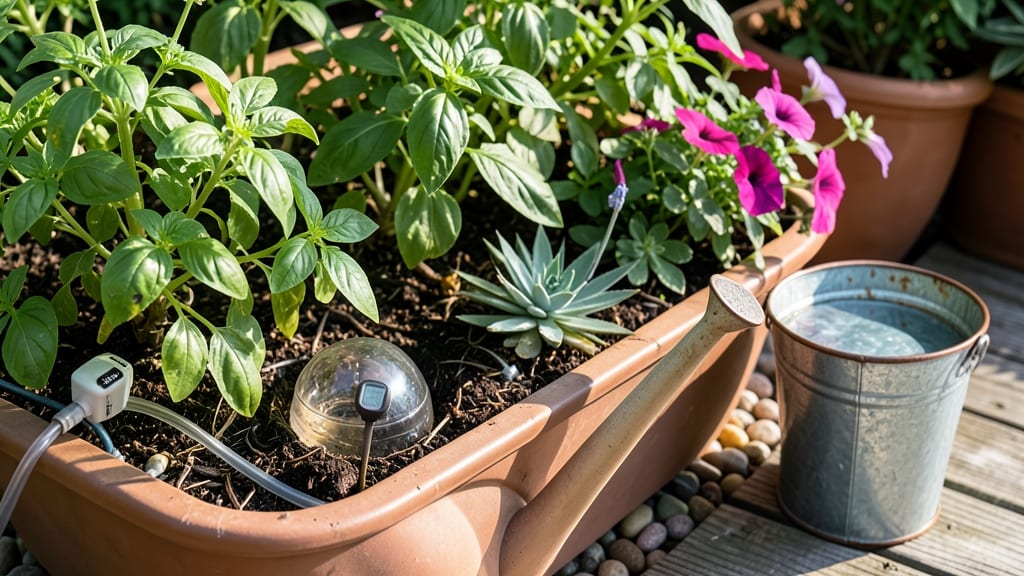
To water your garden when away, you’ll need a system that keeps soil moist without drowning roots or wasting water — and the right approach depends on how long you’re gone.
Picture this: you return from a week-long trip to find your 🌱 General Garden Plants wilting despite your best intentions. The problem isn’t just forgetting to water—it’s choosing the wrong method for your plants and trip length.
A drip system might overwater delicate herbs, while a DIY bottle trick could leave tomatoes parched.
Whether you’re heading out for a weekend or a month, the key is balancing simplicity and reliability. Smart systems like drip irrigation handle extended absences with precision, while budget-friendly hacks (think repurposed soda bottles or wicking beds) work for short trips.
Below, I’ll break down the best options for every scenario—plus how to adjust for drought-tolerant vs. high-need plants.
You’ll leave knowing exactly which system to trust, how to set it up in under 30 minutes, and the one mistake that ruins even the best plans (spoiler: it’s not what you think).
Best self-watering systems for automatic garden hydration
When you're planning a trip, the last thing you want is to return to a garden full of wilting plants and dry soil. The good news? Modern self-watering systems can keep your garden thriving even when you’re away.
These systems range from simple drip irrigation setups to high-tech smart controllers that adjust watering based on weather forecasts. Whether you have a small container garden or a sprawling backyard, there’s a solution tailored to your needs.
I’ve tested and compared the top automated watering systems to help you find the best fit for your garden’s size, budget, and plant types. From budget-friendly drip kits to Wi-Fi-enabled smart systems, each option offers unique benefits.
Let’s dive into the details so you can make an informed choice and keep your garden lush while you’re away.
Here’s how the top systems stack up for efficiency, ease of use, and cost-effectiveness, tailored for different garden sizes and plant needs.
For small gardens or container plants, a drip irrigation kit or soaker hose is often the most cost-effective and straightforward solution. These systems deliver water directly to the roots, minimizing waste and ensuring even hydration.
I recommend the Rain Bird Drip Irrigation Kit for its durability and adjustable flow rates, which can be customized for different plant types.
If you’re managing a larger landscape with lawns and mature plants, a smart sprinkler controller like the Rachio Smart Sprinkler is a game-changer. This system connects to Wi-Fi and adjusts watering schedules based on real-time weather data.
It’s perfect for those who want hands-off convenience without worrying about overwatering or missed cycles. Plus, it can be controlled via a mobile app, so you can check in on your garden from anywhere.
For drought-prone areas or gardens with Mediterranean plants, ollas (clay watering pots) are an excellent choice. These unglazed clay pots slowly release moisture into the soil through their porous walls, mimicking natural rainfall.
They’re ideal for low-maintenance hydration and work well in both in-ground and container setups. I’ve used them with rosemary and lavender, and the results are consistently healthy, thriving plants.
When it comes to portability, self-watering planters are a lifesaver. These planters come with built-in water reservoirs that gradually release moisture to the roots. They’re perfect for balcony gardens, herbs, or even small vegetables like lettuce and strawberries.
Brands like Lechuza offer stylish, functional designs that can be moved easily, making them great for renters or those with limited space.
No matter which system you choose, always test it before your trip to ensure it’s working correctly. Fill the reservoirs, check for leaks, and monitor your plants for the first 24–48 hours to confirm they’re getting the right amount of water.
Adjust as needed, and don’t forget to mulch your garden to retain moisture and reduce evaporation. With the right setup, your garden will stay lush and healthy, ready for your return.
💧
DIY self-watering hacks for budget-friendly garden care
You don’t need expensive irrigation systems to keep your plants hydrated while you’re away. With a few household items and creative solutions, you can maintain soil moisture for days—even weeks—without breaking the bank. These DIY hacks work for container gardens, raised beds, and in-ground plants alike.
Start with the wicking bottle method, which uses a plastic bottle to slowly release water into the soil. This is perfect for potted plants or small garden beds.
For larger areas, try self-watering containers made from old buckets or barrels. Both methods require minimal setup and cost almost nothing to implement.
💧 Top 5 DIY Self-Watering Solutions
-
1. Wicking Bottle System
Poke holes in the cap and bottom of a plastic bottle. Bury it neck-down in soil and fill with water. The wick effect keeps roots hydrated for 3-5 days.
-
2. Sponge Reservoir
Place a damp sponge in the bottom of a pot or container. The sponge releases moisture gradually, ideal for herbs and seedlings.
-
3. Capillary Mat Method
Lay a terry cloth strip from a water reservoir to the plant’s pot. The fabric draws water upward, perfect for hanging gardens.
-
4. DIY Drip Irrigation
Use a plastic tube and a water-filled container elevated on a shelf. Poke holes near plant roots for slow, steady watering over weeks.
-
5. Mulch Blanket
Apply a thick layer of straw or wood chips around plants to lock in moisture. Reduces evaporation by up to 50% in hot weather.
For longer trips, combine methods like the wicking bottle with mulch. The bottle handles hydration, while mulch preserves moisture and regulates soil temperature. Test your setup a week before your trip to ensure it works flawlessly.
Don’t overlook drought-tolerant plants like lavender or succulents—they need far less water than tomatoes or peppers. Grouping high-need plants near your DIY watering sources maximizes efficiency. Even a $5 bottle can save your garden from wilting while you’re gone.
Pro tip: Add a water-soluble fertilizer to your DIY reservoir to give plants a nutrient boost during your absence. Just dilute it to half-strength to avoid overfeeding. With these hacks, your garden stays lush and thriving—no matter how long you’re away. 🌱