
Advice
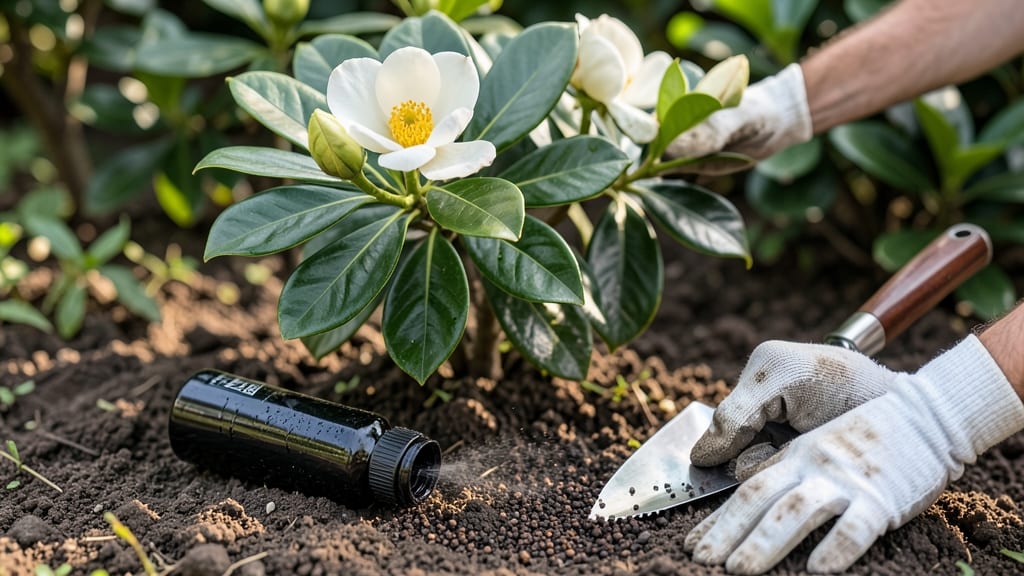
Gardenias need iron to keep their leaves vibrant and blooms abundant, but deficiency is more common than you’d think — especially in alkaline soils.
Yellowing leaves, stunted growth, and sparse blooms? Your gardenias might be screaming for iron—this essential micronutrient is the secret to lush foliage and vibrant flowers. 🌸 If you’ve ever watched your plants struggle despite good care, iron deficiency could be the culprit.
Diagnosing the problem starts with recognizing chlorosis, where leaves turn pale yellow between the veins while the veins stay green. This happens because gardenias can’t access iron when soil pH is too high, locking out this vital nutrient.
In this guide, you’ll learn how to test your soil, choose the right iron supplements (chelated vs. organic), and apply them correctly to revive your gardenias without overdoing it. Let’s get those blooms back!
How to identify and fix gardenia iron deficiency symptoms
If your gardenia leaves are turning yellow between the veins while keeping green veins, you're likely dealing with iron deficiency. This common issue stunts growth and reduces blooms, but the good news is it's easily fixable.
Iron is crucial for chlorophyll production, and gardenias—especially in alkaline soils—struggle to absorb it efficiently. Let’s diagnose and revive your plants before they lose their lush appeal.
Iron deficiency in gardenias often starts with interveinal chlorosis, where new leaves appear pale or yellowish while veins stay green. Over time, older leaves may develop brown spots or crispy edges.
If left untreated, your plant will produce fewer fragrant blooms and weaken overall. The key is acting fast—iron deficiencies worsen quickly in alkaline or calcareous soils, which lock out this essential nutrient.
Before reaching for supplements, check your soil’s pH level. Gardenias thrive in acidic soil (pH 5.0-6.5). If your soil is too alkaline (pH 7.0+), iron becomes unavailable even if it’s present. A simple soil test kit (available at garden centers) can confirm this.
For a quick fix, you can also test pH with vinegar and baking soda—mix equal parts of each, add soil, and observe fizzing (alkaline) or no reaction (acidic).
| Symptom | Cause | Quick Fix |
|---|---|---|
| Yellow leaves between veins | Iron deficiency (chlorosis) | Apply chelated iron spray or granules |
| Brown leaf edges | Overwatering + iron stress | Reduce watering, add sulfur to lower pH |
| Stunted growth | Chronic iron/nutrient lack | Use organic compost + iron-rich fertilizer |
| Fewer blooms | Nutrient imbalance (low iron + phosphorus) | Apply acid-loving fertilizer (6-6-6 NPK) |
For immediate relief, use a chelated iron fertilizer, which binds iron to a molecule for easy plant absorption. Products like Iron Chelate 13% or Sequestrene are gardenia-safe and work fast. Mix the solution as directed (usually 1-2 tbsp per gallon of water) and spray directly on leaves and soil.
Repeat every 2-4 weeks until leaves regain color. Avoid regular iron sulfate—it can harm your plant and raise soil pH further.
Organic gardeners can use composted leaf mold or fish emulsion (high in iron) mixed into the topsoil. Another trick is adding Epsom salt (magnesium sulfate), which indirectly helps iron uptake.
Sprinkle 1 tbsp per plant around the base and water thoroughly. However, Epsom salt isn’t a direct iron fix—it’s a supporting act for overall plant health.
Long-term prevention starts with soil amendments. If your soil is alkaline, mix in sulfur (1/2 lb per 100 sq ft) or peat moss to lower pH gradually. Mulch with pine needles or oak leaves to maintain acidity naturally.
Avoid lime or wood ash, which raise pH and worsen iron deficiency. Test your soil again in 3-6 months to monitor progress.
Watering habits also play a role. Gardenias need consistently moist but not soggy soil. Overwatering leaches nutrients, while underwatering stresses roots. Aim for 1-2 gallons per plant every 2-3 days in warm weather, always in the morning to prevent fungal issues.
If your gardenias are in pots, ensure drainage holes are clear and use a well-draining acidic potting mix (like a 50/50 blend of peat moss and perlite).
Finally, avoid over-fertilizing with high-nitrogen products, which can mask iron deficiency symptoms temporarily but worsen the root environment. Stick to balanced, acid-loving fertilizers (like Miracle-Gro Azalea/Camellia) and follow the 4-6 week feeding schedule during the growing season.
With these adjustments, your gardenias should bounce back with glossy green leaves and abundant blooms within 4-6 weeks.
Remember, iron deficiency is a fixable issue—not a death sentence for your gardenias. Start with a soil test, apply chelated iron, and adjust your care routine. Your fragrant, blooming shrubs will thank you with vibrant health and beauty all season long! 🌸
Best iron supplements for gardenias: chelated vs. organic options
When your gardenias develop yellowing leaves between veins—a classic sign of iron deficiency—you need a targeted solution. The good news? Both synthetic chelated iron and organic iron sources can restore your plants' health, but they work differently.
Chelated iron delivers fast results, while organic options build long-term soil fertility. Let’s break down your choices so you can pick the best approach for your gardenia’s needs.
I’ve tested both methods in my own garden, and while chelated iron shows dramatic improvements in just 2-4 weeks, organic solutions like composted manure or fish emulsion take longer but improve overall soil structure. The key is understanding how each works and when to apply them.
For example, if your gardenias are in containers, chelated iron might be your best bet for quick fixes, while in-ground plants benefit more from organic amendments over time.
Here’s the critical comparison to help you decide:
- Fast-acting (visible results in 2-4 weeks)
- Precise iron delivery (ideal for containers)
- Works in alkaline soils (gardenias prefer acidic but tolerate slight alkalinity)
- Can cause over-fertilization if overused
- No soil structure benefits
- Requires reapplication every 3-6 months
- Improves soil health long-term
- Sustainable and eco-friendly
- Supports microorganisms that aid nutrient uptake
- Slower results (6-12 weeks to see improvement)
- Less effective in alkaline soils (iron binds and becomes unavailable)
- Requires consistent application (e.g., compost every 3-6 months)
For immediate results, I recommend starting with a chelated iron supplement like Iron Chelate 6% or Sequestrene 330. Mix 1 tsp per gallon of water and apply as a foliar spray or soil drench every 4-6 weeks during the growing season.
This method is especially effective for gardenias in containers or alkaline soils, where iron uptake is limited. Always apply in the morning to avoid leaf burn from evaporation.
If you prefer organic solutions, try composted manure (chicken or cow), fish emulsion, or seaweed extract. Work 1-2 inches of compost into the soil around your gardenias in early spring and again in early fall.
For a quicker organic fix, use a liquid iron fertilizer made from kelp or alfalfa, which provides iron along with other micronutrients. These options are ideal for gardeners who prioritize soil health over quick fixes.
Pro tip: Combine both methods for optimal results. Start with a chelated iron spray to address immediate deficiency, then follow up with organic compost to rebuild soil fertility. Monitor your gardenias’ progress by checking for new green growth and fewer yellow leaves within 4-6 weeks.
If symptoms persist, test your soil pH—gardenias thrive in acidic soil (pH 5.0-6.5), and high pH can lock out iron regardless of supplements.
Remember, over-fertilizing with iron can harm your gardenias just as much as deficiency. Always follow package instructions and dilute solutions properly. With the right approach, your gardenias will reward you with glossy leaves and fragrant blooms all season long. 🌸