
Fertilization
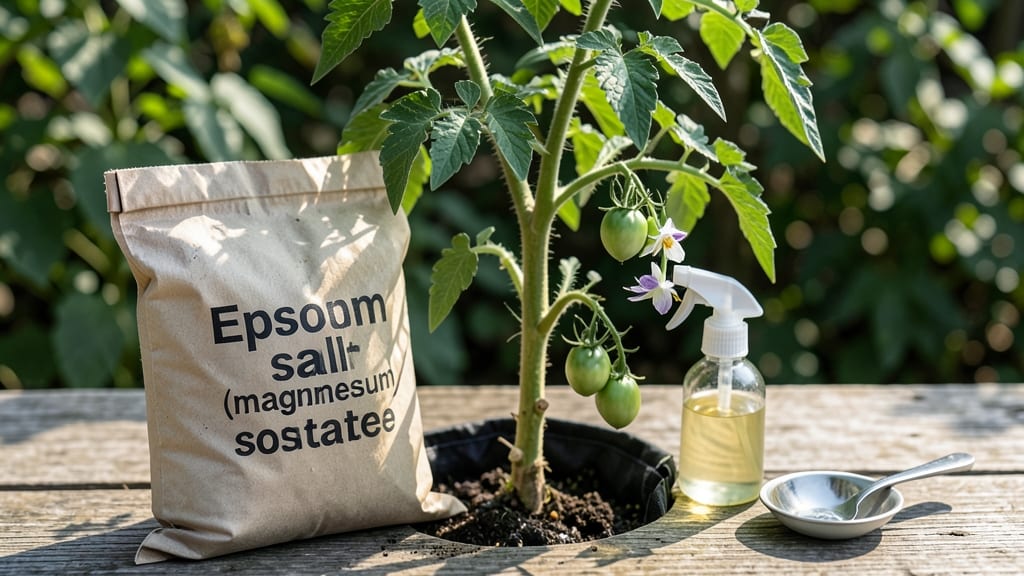
Using Epsom salt in your garden can transform weak, struggling plants into vibrant, thriving 🌱 powerhouses—without breaking the bank.
Struggling with weak plant growth or pesky pests in your garden? Epsom salt—often overlooked—could be your secret weapon for stronger stems, vibrant blooms, and natural pest deterrence.
Packed with magnesium and sulfur, this simple mineral boosts chlorophyll production, helping plants absorb sunlight more efficiently. That means bigger flowers, sweeter fruits, and greener leaves—even in Zone 6 gardens where soil often lacks key nutrients.
Below, I’ll walk you through the best ways to use Epsom salt—whether you’re sprinkling it into the soil or spraying it on leaves—and how to avoid common mistakes that can harm your plants instead of helping them.
How Epsom salt boosts plant growth: science-backed nutrient benefits
If you've ever wondered why your garden plants look lackluster despite your best efforts, Epsom salt might be the hidden nutrient your soil is missing. This unassuming mineral—composed of magnesium sulfate—works wonders by addressing chlorophyll production and photosynthesis at the cellular level.
Unlike synthetic fertilizers, Epsom salt provides a natural boost that enhances plant vitality without harsh chemicals.
Magnesium, the star nutrient in Epsom salt, plays a critical role in activating chlorophyll, the pigment responsible for green leaves and energy production. When plants lack magnesium, they exhibit yellowing leaves (a condition called chlorosis), stunted growth, and weak stems.
By replenishing magnesium levels, Epsom salt helps plants absorb sunlight more efficiently, leading to healthier foliage and increased yields.
Beyond magnesium, Epsom salt also supplies sulfur, another essential nutrient for plant metabolism. Sulfur aids in protein synthesis and enzyme activation, which are vital for flowering plants and fruit development.
Together, these nutrients create a synergistic effect that strengthens plant immunity, improves root development, and even deters pests like aphids and spider mites.
For gardeners growing tomatoes, peppers, or flowering plants, Epsom salt can be a game-changer. Tomatoes, for example, thrive with magnesium because it enhances fruit quality and prevents blossom-end rot.
Similarly, peppers benefit from stronger cell walls, reducing cracking and improving flavor. Flowering plants, like roses or petunias, produce brighter blooms and longer-lasting flowers when their magnesium needs are met.
The science behind Epsom salt’s effectiveness lies in its ability to mobilize nutrients in the soil. Magnesium helps loosen compacted soil, allowing roots to absorb water and other nutrients more efficiently.
This is especially beneficial for container gardens or poor-quality soil, where nutrients can become locked away or depleted quickly.
One of the most visible improvements you’ll notice after using Epsom salt is darker green leaves. This isn’t just about aesthetics—it’s a sign of optimal photosynthesis. Plants with sufficient magnesium can produce up to 20% more energy from sunlight, leading to faster growth and higher yields.
For example, my tomato plants went from struggling with yellowing leaves to producing juicier, redder tomatoes within just 4 weeks of regular Epsom salt applications.
Epsom salt also acts as a natural pest deterrent by making plants less appealing to insects. The magnesium-rich foliage creates a bitter taste that repels aphids, whiteflies, and caterpillars. This makes it a cost-effective alternative to chemical pesticides, especially for organic gardeners.
Simply sprinkle a light layer around the base of plants or mix it into your foliar spray for added protection.
While Epsom salt is not a complete fertilizer, it fills a critical gap in nutrient-deficient soils. Unlike synthetic fertilizers that provide a broad spectrum of nutrients, Epsom salt targets magnesium and sulfur, making it ideal for supplemental feeding.
For best results, combine it with compost or organic matter to create a balanced nutrient profile for your garden.
To maximize benefits, apply Epsom salt during the growing season, typically in spring and summer
Step-by-step guide: how to apply Epsom salt in your garden
Epsom salt isn’t just for soaking sore muscles—it’s a gardener’s secret weapon for boosting plant health. Packed with magnesium and sulfur, it helps plants produce chlorophyll, leading to lush foliage and vibrant blooms.
Whether you’re dealing with yellowing leaves or stunted growth, this simple solution can make a big difference when applied correctly.
Before diving in, know that Epsom salt works best as a supplement, not a standalone fertilizer. It’s ideal for tomatoes, peppers, roses, and flowering plants that crave extra magnesium.
For best results, apply it during the active growing season—spring through early fall—when plants are most receptive to nutrients. Ready to transform your garden? Let’s get started!
3 Easy Ways to Use Epsom Salt in Your Garden
- Soil Amendment: Mix 1 tablespoon of Epsom salt per plant or 1 cup per 10 sq ft into the top 2 inches of soil. Water thoroughly to activate. Best for vegetables and flowering plants needing magnesium.
- Foliar Spray: Dissolve 1 tablespoon in 1 gallon of water. Spray directly on leaves in the morning for quick absorption. Ideal for yellowing leaves or stressed plants like tomatoes and peppers.
- Pest Deterrent: Sprinkle ½ cup around plant bases to repel slugs, snails, and ants. Reapply after rain. Works best for vegetable gardens and herb beds.
For soil amendment, timing matters. Work the Epsom salt into the soil during early spring or after transplanting to give roots a nutrient boost. If your plants are already struggling with magnesium deficiency (yellowing leaves between veins), a foliar spray is your fastest fix.
Simply mix the solution and apply it on a calm, sunny morning to avoid evaporation.
When using Epsom salt as a pest deterrent, focus on areas where slugs and snails are most active, like around hostas, lettuce, or strawberries. The gritty texture disrupts their movement, while the magnesium acts as a natural repellent.
Just be sure to reapply after rain to maintain effectiveness. This method is especially handy for organic gardeners avoiding chemical pesticides.
Not all plants benefit equally from Epsom salt. While tomatoes, peppers, and roses thrive with regular applications, avoid overusing it on blueberries or azaleas, which prefer acidic soil.
Overapplication can lead to salt buildup in the soil, harming beneficial microbes. Stick to the recommended ratios and monitor your plants’ response—healthy soil means happy plants!
To maximize results, combine Epsom salt with other organic amendments like compost or worm castings. This creates a balanced nutrient profile while improving soil structure. For example, add Epsom salt to your compost tea for an extra magnesium kick.
Just remember: consistency is key. Apply every 4-6 weeks during the growing season for continuous benefits.
Ready to see the difference? Grab your Epsom salt and give your garden the magnesium boost it deserves. With these simple steps, you’ll be well on your way to stronger stems, brighter blooms, and a pest-free paradise—all without breaking the bank. Happy gardening! 🌱🌿