
Advice
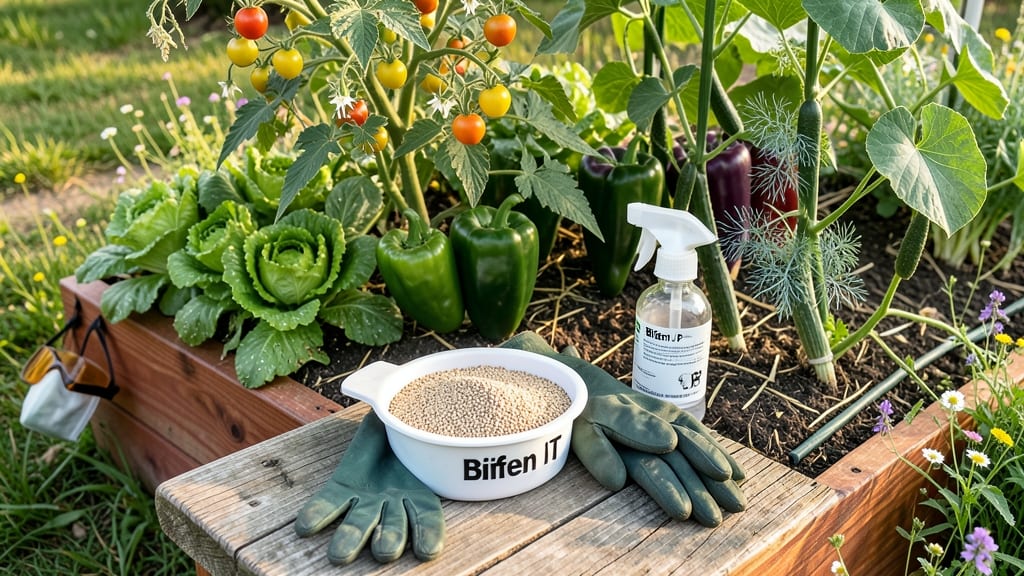
Bifen is safe for vegetable gardens when applied according to label instructions, as its active ingredient bifenthrin is EPA-approved for edible crops. Still, following proper timing and residue precautions is essential to protect both plants and harvests.
Bifen's safety comes from its targeted approach against common garden pests like aphids and beetles, but the key lies in how you use it. 🌱 The EPA classifies bifenthrin as a low-toxicity insecticide when used responsibly, yet improper application can leave harmful residues.
I always recommend applying in the early morning or evening when bees are less active and avoiding overspray on foliage you'll eat. For leafy greens, wait at least 7 days before harvesting, while root vegetables need 14 days of clearance time.
What sets Bifen apart is its neonicotinoid-like mechanism—it disrupts insect nervous systems without harming plant cells, but this same action means it can linger in soil. To minimize risks, I suggest spot-treating only affected areas rather than blanket spraying, and always wear gloves and long sleeves during application.
For organic gardeners, neem oil or insecticidal soap often provide comparable pest control without chemical residues.
💡 In This Article
- How Bifen Works in Vegetable Gardens
- Safe Application Tips for Edible Vegetables
How Bifen works in vegetable gardens
Bifen's effectiveness comes from its active ingredient, bifenthrin, which belongs to the pyrethroid class of insecticides. This chemical mimics natural pyrethrins found in chrysanthemums but is synthetically enhanced for longer-lasting pest control.
The mechanism involves disrupting the nervous systems of insects like aphids and beetles by overstimulating their sodium channels, causing paralysis and death within minutes. What makes bifenthrin unique is its selective toxicity—it targets pests with exoskeletons while being far less harmful to plants, which lack these nerve pathways.
The EPA's approval for edible crops stems from extensive testing showing bifenthrin breaks down in soil through a process called photodegradation, where sunlight converts it into harmless byproducts within 30-60 days.
However, its persistence varies by soil type: sandy soils degrade it faster (about 14 days) than clay soils (up to 90 days). This is why gardeners must wait specific pre-harvest intervals—leafy greens need 7 days clearance, while root crops require 14 days to ensure safe consumption.
The chemical binds to organic matter in soil, which reduces its availability to plants but extends its effectiveness against pests.
What most gardeners don't realize is how bifenthrin's volatility affects application. When sprayed, about 30-50% of the chemical evaporates within hours, which is why early morning or evening applications minimize drift and maximize plant contact.
The remaining residue adheres to leaf surfaces through a process called adsorption, where it binds to waxy cuticles. This is why thorough rinsing of produce is crucial—even with proper timing, surface residues can remain if not washed immediately before eating. 🌿
Bifen's safety profile also depends on dosage. The EPA-approved concentration for vegetable gardens is typically 0.025-0.05% bifenthrin, which is far below levels that harm beneficial insects like ladybugs or pollinators when applied correctly.
However, exceeding these rates can lead to phytotoxicity in sensitive plants like tomatoes or peppers, causing yellowing leaves or stunted growth. This is why following label instructions isn't just about safety—it's about maintaining plant health and yield quality.
For organic gardeners concerned about chemical residues, bifenthrin's breakdown products include benign compounds like carbon dioxide and water, but the process requires proper environmental conditions. In shaded or waterlogged soils, degradation slows significantly, potentially extending residue risks.
This is why rotating application sites and avoiding overuse is recommended—soil microbial activity naturally accelerates breakdown, but only up to a point. The key takeaway is that bifenthrin's safety hinges on both its chemical properties and how gardeners apply it in their specific growing conditions.