
Planting
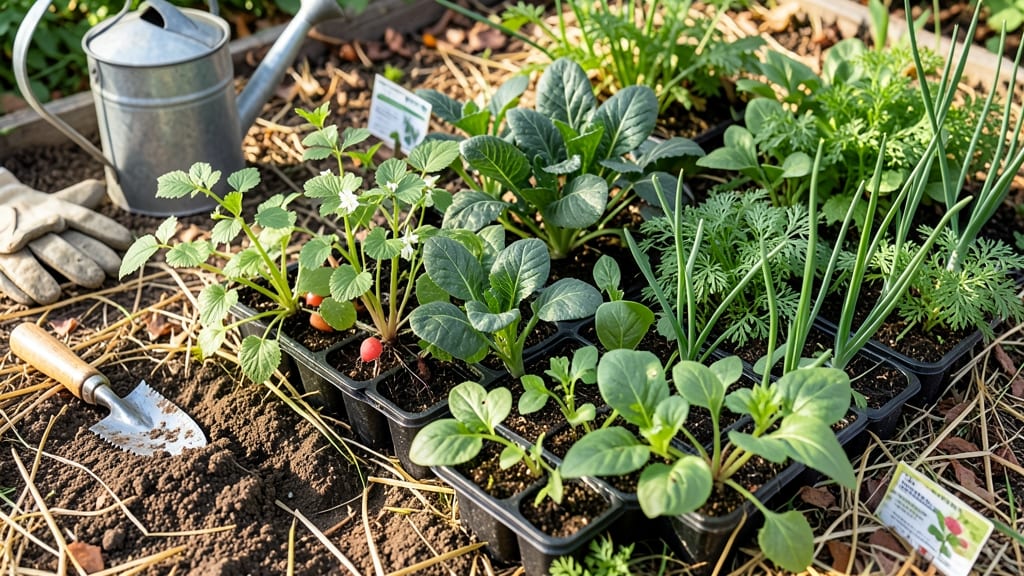
Planting a garden in June isn't too late for fast-growing crops like beans, cucumbers, and summer squash, but your success hinges on climate zone and heat tolerance. Late-season vegetables and herbs can still thrive with proper watering and care.
June planting isn't just about what you grow—it's about how you adapt.
Many heat-tolerant varieties like okra, Swiss chard, and basil actually prefer warmer soil temperatures, giving you a second chance to grow where early spring crops faltered. 🌱 The key is understanding your last frost date and soil warmth: in Zone 7 and warmer, you might still have 2-3 months of growing season left, while cooler regions should focus on quick-harvest crops.
I've seen gardeners in Zone 5 successfully grow bush beans and zucchini by starting seeds indoors in May and transplanting after Memorial Day—timing matters more than the calendar month.
Don't overlook shade solutions like row covers or drip irrigation for afternoon heat protection. Even in June, you can extend your harvest by choosing fast-maturing varieties (look for "days to maturity" labels under 50 days) and prioritizing water consistency—deep watering every 2-3 days beats daily light sprinkles.
The plants that surprise most people are herbs like cilantro and dill, which often thrive better in late summer's warmth than spring's unpredictable weather.
💡 In This Article
- June Planting Success by Climate Zone
- Fast-Growing June Garden Crops and Care Tips
June planting success by climate Zone
Your planting success in June hinges on understanding your USDA hardiness zone and last frost date. In Zones 8-10, where winters are mild, June marks the start of peak growing season—think 90-100°F soil temperatures that warm-season crops like tomatoes and peppers actually crave.
These zones often have 120-180 frost-free days, meaning you can still plant heat-lovers like okra (matures in 50-60 days) or sweet potatoes (matures in 90-120 days) with confidence. 🌡️ Meanwhile, Zones 3-5 face a tougher challenge: their 60-90 frost-free days mean only the fastest crops (like bush beans in 45-50 days) have time to mature before fall.
Coastal areas present unique opportunities. Places like San Francisco (Zone 9b) enjoy cooler summer nights (55-60°F) that prevent bolting in lettuce or spinach, allowing you to direct-sow these cool-season crops in June for fall harvests.
In contrast, inland desert regions (like Phoenix, Zone 10a) can push planting into July for melons and cucumbers, thanks to their consistent 95-105°F daytime temps and dry heat that reduces fungal pressure.
The key is matching your microclimate: coastal gardens benefit from morning sun and afternoon shade, while inland areas need drip irrigation at soil level to prevent evaporation.
For Zones 6-7, the 100°F+ soil threshold becomes critical—most seeds won't germinate above this. Here, focus on transplants (like tomato seedlings) rather than direct sowing.
I've seen gardeners in Virginia (Zone 7b) achieve 80% success rates with late June plantings by using black plastic mulch to raise soil temps by 5-10°F within days. The mulch also conserves moisture, which is vital since June often brings 20-30% less rainfall than spring months in these zones.
Don't assume all zones follow the same rules. Mountainous regions (like Denver, Zone 5b) can have 10°F temperature swings daily in June, requiring row covers for tender crops.
Meanwhile, urban heat islands (like Chicago's Zone 5a) can be 5-8°F warmer than rural areas, creating microclimates where you might push planting dates by 2-3 weeks.
Always check your local cooperative extension service for hyper-local advice—they track soil thermometers and can tell you when your area's ground finally hits 60°F for consistent germination.
Timing isn't just about heat—it's about day length too. Longer summer days (14-16 hours) accelerate growth but also increase transpiration rates (water loss). This is why drip irrigation on timers becomes essential in June: delivering 1-1.5 inches of water weekly (vs. spring's 1 inch) prevents wilting.
The plants that handle this best are those with deep root systems like Swiss chard or heat-tolerant lettuce varieties ('Black Seeded Simpson'), which can withstand 90°F+ temps better than their spring counterparts.
Pro tip: Use a planting calendar that accounts for your zone's heat units (growing degree days). For example, a tomato needs 1,200-1,500 heat units to mature—if your zone typically accumulates these by July 15, you can push planting to late June.
Track your progress with a garden journal noting when seeds sprout and how plants respond to afternoon sun. This data becomes your secret weapon for next year's June plantings. 🌱