
How To
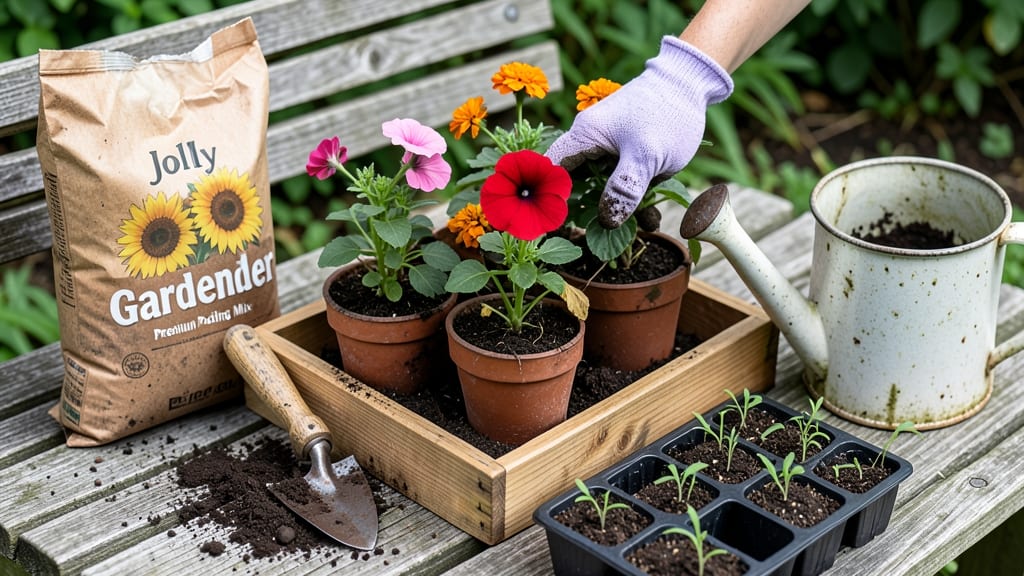
Jolly Rancher Gardener Potting Soil is a premium blend designed for container gardening, combining peat moss, perlite, and compost to promote root growth and drainage while retaining moisture. Ideal for herbs, vegetables, and flowering plants, it works best when mixed with 20-30% perlite or vermiculite for optimal aeration in pots.
This soil mix stands out because its peat moss base holds moisture without suffocating roots, while the perlite creates air pockets that prevent compaction in containers. 🌱 The compost adds essential nutrients, making it perfect for plants that need consistent hydration but also good airflow—like basil or cherry tomatoes.
For heavy feeders like peppers, I recommend mixing in 10% worm castings to boost nitrogen levels without altering the soil's structure.
The real magic happens when you customize the mix. For example, succulents and cacti thrive with a 60% soil to 40% perlite ratio, while leafy greens like spinach prefer 70% soil to 30% coconut coir for extra moisture retention.
Always refresh the mix every 12-18 months—over time, nutrients deplete, and the structure breaks down, especially in small containers where roots compete for space.
💡 In This Article
- Jolly Rancher Gardener Soil Composition Breakdown
- Best Plant Types and Mix Ratios for Jolly Rancher Soil
Jolly Rancher gardener soil composition breakdown
The secret behind this soil's effectiveness lies in its three core components working together like a well-orchestrated ecosystem. The peat moss forms the foundation, holding up to 6-8 times its weight in water while maintaining a loose, spongy structure that prevents root suffocation.
Unlike garden soil, which compacts easily, this blend stays fluffy with 30-40% air space—critical for oxygen exchange in container roots that can't spread outward like in-ground plants. 🌱
Perlite, those tiny white volcanic beads, does double duty here. When heated to 1,600°F during processing, they expand into lightweight bubbles that create 20-30% additional pore space for drainage.
This prevents the classic container gardening problem of waterlogged roots while still allowing moisture to linger near the roots where plants need it most. The 1-2mm particle size also prevents them from breaking down over time, unlike sand which compacts.
Where standard potting mixes might rely on synthetic fertilizers, Jolly Rancher uses aged compost that releases nutrients gradually through microbial activity. The compost contains 1-2% nitrogen, 0.5-1% phosphorus, and 0.5-1% potassium—just enough to support early growth without overwhelming sensitive plants.
What's clever is how these ingredients interact: the compost feeds beneficial microbes that further improve soil structure and suppress pathogens, creating a self-regulating environment.
For comparison, most garden centers sell mixes with 50% peat moss and 30% perlite, but these often lack the organic matter component. Jolly Rancher's 20% compost inclusion gives it a 10-15% higher water-holding capacity while maintaining better aeration than garden soil.
This balance explains why basil thrives in it—roots get constant moisture without drowning, while the air pockets prevent the anaerobic conditions that cause root rot in heavier mixes.
The real innovation shows up in the root zone. In containers, roots grow in a 3-inch diameter cylinder where they compete for every resource. This blend's structure creates vertical channels that guide roots downward while preventing them from circling (a common container problem).
The perlite's sharp edges actually stimulate root growth slightly by creating minor injuries that trigger new root formation—a phenomenon called thigmomorphogenesis.
One common misconception is that more perlite always equals better drainage. Too much (50%+) creates a desert-like environment where moisture evaporates too quickly. The 20-30% perlite range in this mix represents the Goldilocks zone—enough to prevent compaction without sacrificing moisture retention.
This explains why tomatoes grow so vigorously in it: the roots get steady hydration while excess water drains away, preventing the blossom-end rot that plagues many container tomatoes.
For the DIY gardener, this composition means you can customize it further. Need more drainage? Add 10% coarse sand. Want better moisture retention? Swap 10% perlite for coconut coir. The base structure gives you flexibility while maintaining the core benefits that make this blend perform so consistently. 💫