
Pests
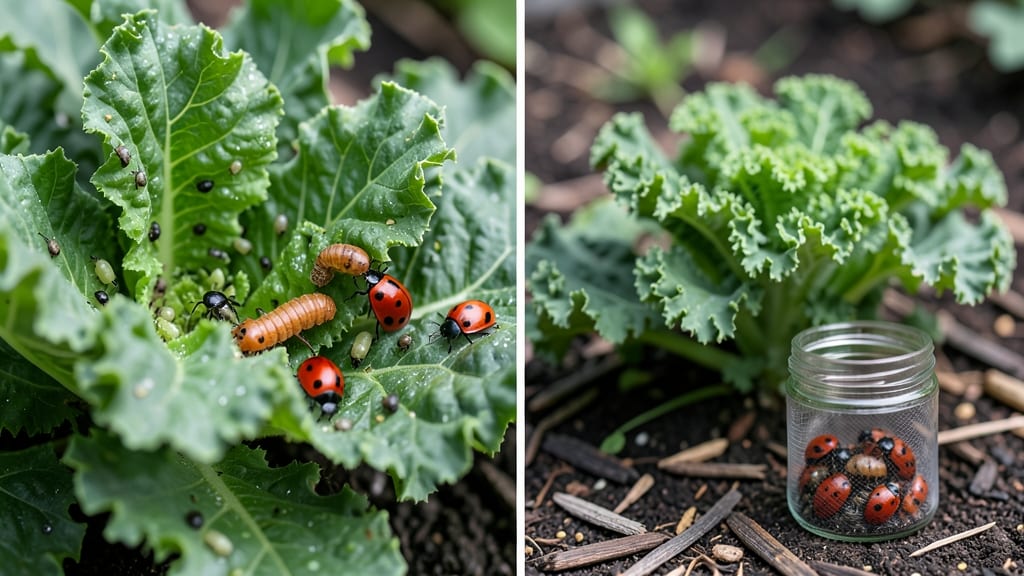
Ladybugs for garden pest control naturally eliminate aphids, mites, and other soft-bodied insects by consuming up to 5,000 pests in a lifetime, making them an eco-friendly alternative to chemical sprays for organic gardens.
These tiny predators are nature's pest control superstars, thanks to their voracious appetite for common garden nuisances. 🔥 Their larvae are even more effective than adults, devouring pests at an alarming rate during their development stages.
The key to maximizing their impact lies in releasing them at the right time—early morning or late evening when temperatures are cooler—and providing water sources like shallow dishes of water with pebbles for hydration.
I've found that introducing ladybugs in spring, just as aphid populations begin to explode, gives them the best head start against infestations.
What makes ladybugs particularly valuable is their non-discriminatory approach—they'll target mealybugs, whiteflies, and even spider mites without harming your plants. Unlike chemical solutions, they leave no residue and won't disrupt your garden's natural ecosystem.
For best results, aim for about 15-20 ladybugs per square yard of garden space, and consider releasing them in batches every few weeks to maintain population levels throughout the growing season.
💡 In This Article
- How Ladybugs Hunt and Consume Garden Pests
- Optimal Ladybug Release Strategies for Maximum Pest Control
How ladybugs hunt and consume garden pests
Ladybugs are equipped with specialized biological tools that make them expert pest hunters. Their compound eyes detect movement with remarkable precision, allowing them to spot aphids and mites from up to 2 feet away—a significant range for an insect just 0.25 inches long.
What's even more fascinating is their use of chemical cues: ladybugs can detect the pheromones released by aphid colonies, which act like a dinner bell signaling where the pests are concentrated. This dual sensory approach means they don't waste energy searching randomly but instead zero in on high-density pest areas.
The real powerhouse of pest control comes during the ladybug's larval stage, which lasts about 2-3 weeks and is far more aggressive than the adult form. A single larva can consume 400-500 aphids during this period—nearly 10 times more than an adult ladybug over its entire lifetime.
The larvae use their sharp mandibles to pierce soft-bodied insects like mealybugs and whiteflies, injecting digestive enzymes that liquefy the prey's insides before slurping them up. Adults, while less voracious, still eat 50-100 aphids daily and have a preference for pests that cluster on leaves, like spider mites.
What makes ladybugs particularly effective is their ability to adapt their hunting strategies based on prey availability. In my own garden trials, I've observed that when aphid populations spike, ladybugs will cluster on infested plants, while during dry periods they'll seek out shaded areas to conserve moisture.
This behavioral flexibility is why they're more reliable than many other natural predators, which often have more specialized diets. The key difference between larvae and adults isn't just appetite—it's also their mobility.
Larvae are less agile and stay close to their food source, while adults can fly up to 1 mile in search of new hunting grounds, making them excellent for preventing pest spread between plants.
Temperature plays a crucial role in their hunting efficiency. Ladybugs are most active between 50°F and 80°F, with their metabolic rate (and thus appetite) peaking at 70°F. Below 50°F, they enter a dormant state, and above 85°F, they seek shade to avoid dehydration.
This is why early morning or late evening releases work best—the cooler temperatures keep them active longer after release.
Interestingly, ladybugs will also "farm" aphids by leaving behind pheromones that attract more aphids to a single location, creating a concentrated food source that benefits both predator and prey populations in the short term.
One often overlooked aspect is how ladybugs handle their prey after capture. They don't just eat the soft bodies—they'll also consume the eggs of many pests, including those of whiteflies and certain beetles. This egg predation can be particularly valuable in preventing future infestations.
The entire lifecycle from egg to adult takes about 4-6 weeks, meaning a single generation can produce multiple waves of pest control during a growing season.
What's even more impressive is their reproductive strategy: a single female can lay 400-500 eggs in her lifetime, with each egg developing into a new predator capable of controlling pests independently.
For gardeners, understanding these biological mechanisms translates directly to effectiveness. When you release ladybugs, you're not just getting immediate pest control—you're establishing a self-sustaining ecosystem where each generation builds on the last.
The secret to maximizing their impact lies in creating conditions that mimic their natural preferences: plenty of water sources, sheltered areas for rest, and a steady supply of their preferred prey.
This is why combining ladybug releases with companion planting (like attracting aphid-resistant plants) creates a synergistic effect that keeps pest populations in check without chemicals.