
Advice
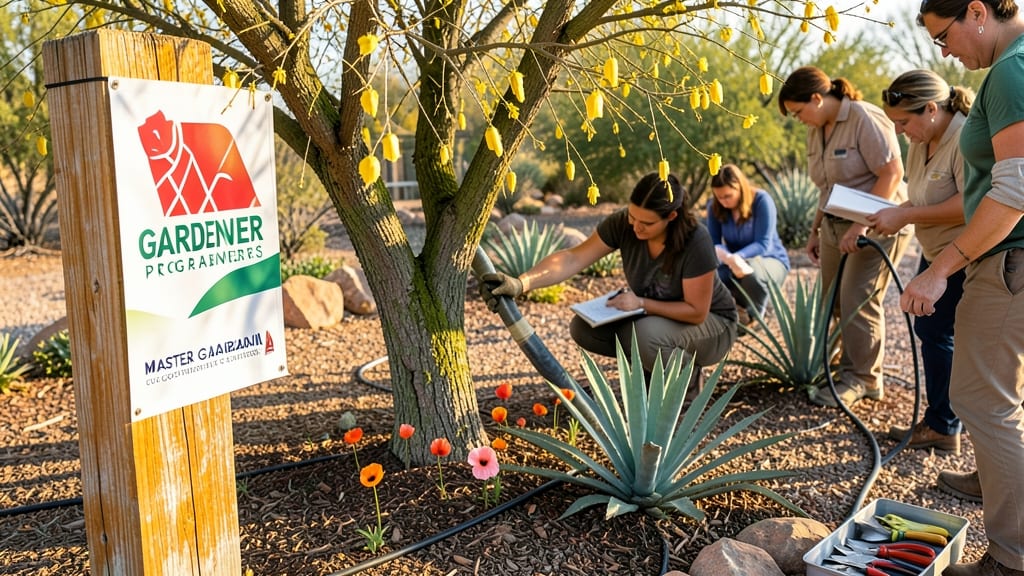
The Master Gardener Program in Arizona trains volunteers to become gardening experts through hands-on education, covering desert horticulture, pest management, and sustainable practices. Applications open annually through the University of Arizona Cooperative Extension offices in each county.
The Master Gardener Program in Arizona is a hands-on certification that transforms passionate gardeners into community leaders. 🌵 You'll dive into desert-specific topics like drought-resistant landscaping and integrated pest management, all while gaining real-world experience through county extension projects.
The program's curriculum is designed to address Arizona's unique challenges, from soil salinity to invasive species, ensuring graduates can tackle local gardening issues with confidence.
What sets this program apart is its focus on applied learning—you won't just study theory. Each participant completes 50 hours of classroom training followed by 50 hours of volunteer service to reinforce skills.
This practical requirement means you'll work directly with community gardens, school programs, and public outreach initiatives, making an immediate impact while you learn. The annual application cycle typically begins in spring, with county offices handling the selection process.
💡 In This Article
- What Training Covers in Arizona’s Desert Master Gardener Curriculum
- Step-by-Step Guide to Applying for Arizona’s Master Gardener Program
What training covers in Arizona’s desert Master Gardener curriculum
The curriculum is meticulously designed to address Arizona's extreme climate and unique ecosystems.
You'll start with soil science fundamentals, focusing on the state's alkaline soils and how to amend them for optimal plant growth. 🌵 One key module teaches you to test soil pH and salinity levels—a critical skill since Arizona soils often have pH levels between 7.5 and 8.5, which can stunt plant development if not properly managed.
Native plant identification takes center stage, covering 150+ desert-adapted species like palo verde, ocotillo, and desert willow. You'll learn how to pair plants with specific microclimates, from the Sonoran Desert's 110°F+ summers to the cooler high-desert regions.
The program emphasizes water-wise landscaping techniques, including drip irrigation systems that use 30-50% less water than traditional methods while maintaining plant health.
Pest management is another critical focus, teaching you to identify and control invasive species like buffelgrass and palmer amaranth without harmful chemicals. You'll study biological controls, such as introducing predatory insects to manage pest populations—a method that's 90% effective when properly implemented.
The curriculum also covers organic fertilization techniques tailored to Arizona's nutrient-poor soils, where composting and vermicomposting can double plant yields in just 6-8 weeks.
Fieldwork is integrated throughout, with hands-on sessions in demonstration gardens and community projects. You'll spend 20 hours in these practical settings, applying what you've learned to real-world scenarios. For example, you might help design a drought-resistant garden for a local school or assist in a project to restore native habitats.
These experiences prepare you for the 50-hour volunteer requirement that follows certification.
The program also dives into sustainable practices, such as rainwater harvesting and greywater systems, which can reduce outdoor water use by up to 70%. You'll learn to calculate water needs for different plant types and design systems that comply with Arizona's strict regulations.
Certification requires passing a 100-question exam with a 75% minimum score, ensuring you're fully prepared to tackle Arizona's gardening challenges.
What makes this curriculum stand out is its balance of science and practical application. You won't just memorize facts—you'll develop skills that directly address the issues Arizona gardeners face daily.
Whether it's diagnosing a plant disease or designing a water-efficient landscape, you'll graduate with the confidence to make a real difference in your community. 🌟