
Tools
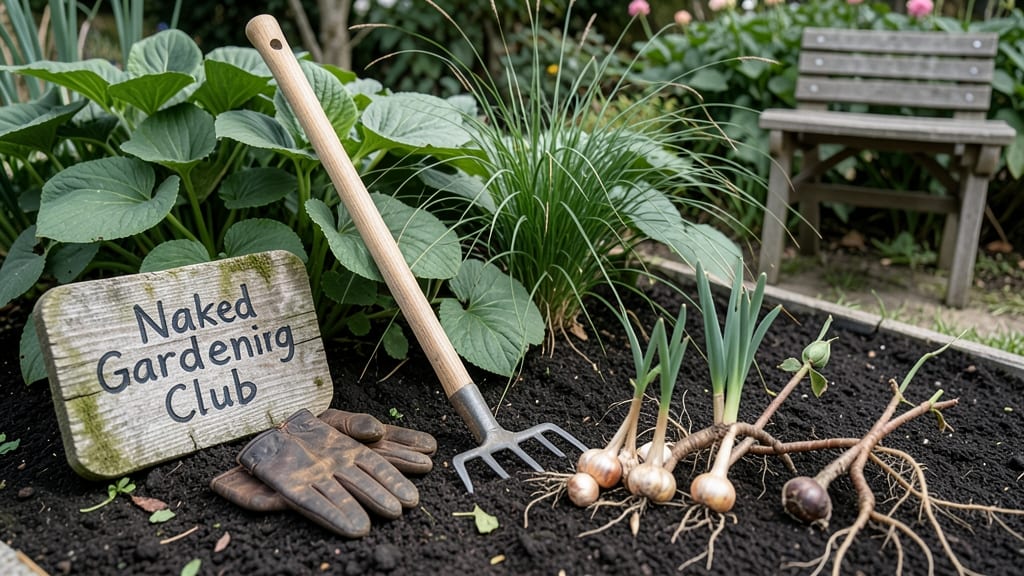
The Naked Gardening Club is a community-focused movement where gardeners collaborate to grow food using only heirloom seeds and natural compost, rejecting commercial fertilizers and synthetic inputs. This collective approach emphasizes biodiversity, shared knowledge, and sustainable land stewardship through group planting, harvesting, and skill exchanges.
The Naked Gardening Club isn't just about growing food—it's about reclaiming control over what we eat and how it's grown. 🌱 By using open-pollinated seeds and compost systems, members create gardens that thrive without chemical dependencies, while also preserving genetic diversity.
I've seen groups transform urban lots into thriving food forests where everyone contributes their skills, from seed-saving to pest management.
What sets this apart is the focus on transparency: no hidden corporate agendas, just pure collaboration. Many clubs start with a simple "seed swap" event, then expand into full-scale community gardens where beginners learn alongside veterans.
The real magic happens when you watch people discover how much more rewarding gardening becomes when it's shared rather than solitary.
💡 In This Article
- Core Principles Behind Naked Gardening Club Practices
- Step-by-Step Guide to Starting Your Own Naked Garden Group
Core principles behind naked gardening club practices
The foundation of a naked gardening club rests on three core principles that challenge conventional agriculture: seed sovereignty, chemical-free ethics, and regenerative growing systems. Seed sovereignty means members refuse genetically modified or patented seeds, instead using open-pollinated heirlooms that can be saved and shared year after year.
This preserves genetic diversity—studies show heirloom varieties contain 30-50% more genetic material than hybrid seeds, making crops more resilient to pests and climate shifts.
Chemical-free ethics drive the rejection of synthetic fertilizers and pesticides. Instead, clubs use compost systems that mimic natural decomposition processes. A well-managed compost pile reaches 140-160°F internally, killing pathogens while creating nutrient-rich humus.
The science here is fascinating: compost teas (aerated liquid compost) contain beneficial microbes that outcompete plant pathogens, reducing disease by up to 70% compared to chemical treatments. 🌱 The texture of properly aged compost is dark, crumbly, and smells earthy—nothing like the gritty, sterile feel of commercial fertilizers.
What makes this approach uniquely powerful is how it transforms gardening from individual effort to collective resilience. When members share seeds and techniques, they create a living library of agricultural knowledge.
For example, a club in Portland discovered their 1920s heirloom tomato variety thrived in urban microclimates, producing fruit 20% larger than store-bought hybrids. This shared experimentation accelerates adaptation to local conditions—something corporate agriculture can't match.
The regenerative aspect goes deeper than just soil health. Clubs often practice polyculture (growing multiple species together), which disrupts pest cycles and improves yields. Research from the Rodale Institute shows polyculture systems can increase biodiversity by 300% compared to monocrops.
The sensory experience is striking: a well-balanced garden hums with activity—bees pollinating flowers, earthworms aerating soil, and beneficial insects patrolling for pests—all without synthetic interventions.
One often-overlooked principle is transparency. Unlike commercial operations, naked gardening clubs operate with open books about their methods. Members document everything from seed sources to pest solutions in shared notebooks or digital forums.
This creates a feedback loop where problems (like blight-resistant varieties) get solved collectively. The result? Gardens that don't just produce food, but educate and empower their growers.
Consider how this differs from conventional gardening: while a home gardener might use 10-30 pounds of synthetic fertilizer per year, a naked gardening club might produce the same yield with just 2-5 pounds of compost—and without the environmental harm.
The trade-off? More labor and knowledge-sharing. But for members, that's the point: growing food becomes a communal act of stewardship rather than a solitary transaction.
The real breakthrough comes when you realize these principles create a feedback loop. Healthier soil grows more nutritious food, which strengthens community health. It's a model that scales from backyard plots to urban farms, proving that food security starts with seed sovereignty. 💫