
Fertilization
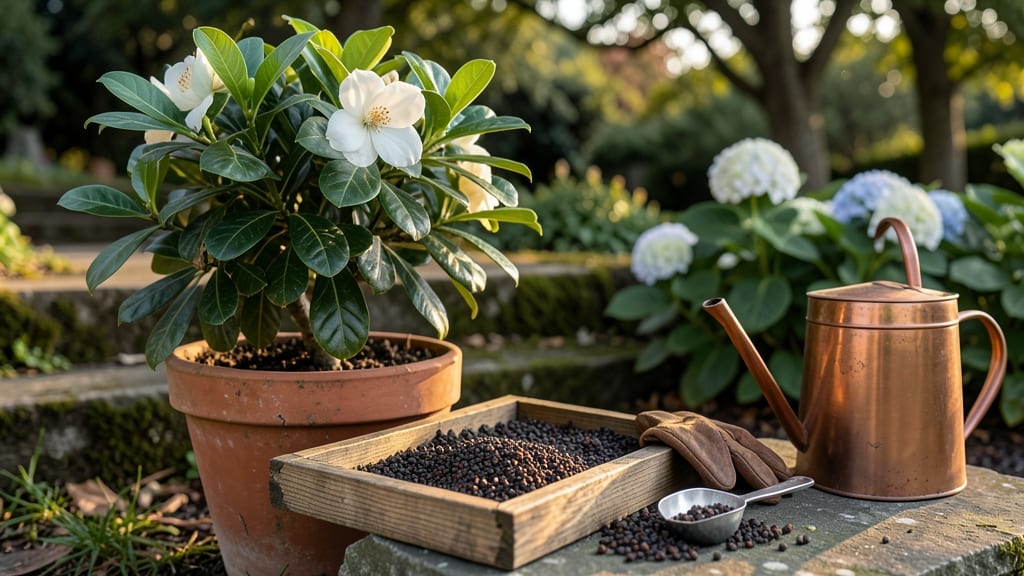
Natural fertilizer for gardenias means ditching the harsh chemicals for kitchen scraps and backyard gold—coffee grounds, eggshells, and compost tea that feed your plants while keeping the soil thriving.
Picture this: your gardenias are struggling to bloom, leaves yellowing despite your best efforts, and you’ve already tried every synthetic fertilizer on the shelf.
The answer might be closer than you think—your compost bin, coffee maker, or even last week’s banana peels could hold the key to bigger, healthier blooms without the risk of over-fertilizing.
Natural fertilizers aren’t just safer for your gardenia—they’re also better for the environment, improving soil health and even deterring pests.
But timing and application matter just as much as the ingredients, which is why we’ll break down the best organic options, how to use them, and when to skip the fertilizer entirely to avoid common mistakes.
By the end, you’ll know exactly how to turn your gardenia care routine into a low-effort, high-reward process—no chemistry degree required. Let’s get started with the easiest natural fertilizers you can make at home today.
5 Best natural fertilizers for gardenias & how to use them
Gardenias thrive when their acid-loving roots get the right nutrients, but synthetic fertilizers can disrupt their delicate balance. As someone who’s nurtured gardenias for years, I’ve found the best natural fertilizers often come from my kitchen or compost pile.
These organic boosters provide slow-release nutrients, improve soil structure, and—most importantly—keep your gardenias blooming like crazy without harming beneficial microbes.
Before diving into the top 5 natural fertilizers, remember: gardenias need acidic soil (pH 5.0-6.0). A simple soil pH test (available at garden centers) ensures you’re not wasting your efforts.
Over-fertilizing can burn roots, so always start with small amounts and monitor your plant’s response. Now, let’s explore the powerhouse fertilizers that’ll make your gardenias the envy of the neighborhood!
Let’s start with coffee grounds, my go-to for gardenias because they’re packed with nitrogen and phosphorus—the perfect combo for lush foliage and vibrant blooms. I save used grounds from my morning brew, let them dry slightly, then sprinkle them around the base of my gardenias.
The key is to mix them lightly into the top inch of soil—never pile them up, as they can compact and create anaerobic pockets. For potted gardenias, I work 1/4 cup into the topsoil every 6 weeks during the growing season.
Next up are eggshells, which provide calcium and magnesium—critical for preventing yellowing leaves and promoting strong stems. I save eggshells in a paper bag until they’re completely dry, then crush them into a fine powder using a rolling pin or mortar and pestle.
You can either sprinkle this powder around your gardenia’s roots or brew an eggshell tea by steeping crushed shells in water for 24 hours, then using the liquid to water your plants.
This method is especially helpful if your gardenia shows signs of calcium deficiency, like brown spots on leaves.
Don’t toss those banana peels either—they’re a potassium powerhouse that helps gardenias produce more abundant blooms. I dry peels in the sun for a few days, then grind them into a powder using a blender or coffee grinder.
A single teaspoon of this powder, worked into the soil around your gardenia, can give it a significant boost. For an even quicker fix, you can soak peels in water for a week to make a nutrient-rich tea.
Use this tea every 8 weeks during the blooming season to see dramatic improvements in flower production.
Compost tea is my secret weapon for reviving tired gardenia soil. This liquid gold is teeming with beneficial microbes that break down organic matter and make nutrients readily available to your plants. To make it, I fill a burlap sack with finished compost, submerge it in a bucket of water, and let it steep for 24-48 hours. After straining, I dilute the tea with water (1:10 ratio) and use it to water my gardenias every 2-3 weeks. The result? Healthier roots, glossier leaves, and more fragrant blooms that last longer.
For a quick nutrient boost, I turn to fish emulsion, which is rich in nitrogen and phosphorus. This liquid fertilizer is especially effective during the active growing season (spring and summer).
I dilute 1 tablespoon of fish emulsion in 1 gallon of water and apply it directly to the soil around my gardenias. The strong smell fades quickly, but the benefits are long-lasting. Fish emulsion also helps deter pests like aphids, making it a two-for-one solution.
Just be sure to apply it in the early morning to avoid attracting flies.
When using these natural fertilizers, timing is everything. I avoid fertilizing during dormant months (fall and winter) because gardenias rest during this period. Instead, I focus on feeding them in early spring to stimulate new growth
DIY gardenia fertilizer recipes using household waste
Transforming your kitchen scraps into nutrient-rich fertilizers for your gardenias is easier than you think. These acid-loving plants thrive on organic matter, and household waste like coffee grounds, eggshells, and banana peels can provide the perfect boost.
Not only do these recipes cut costs, but they also reduce waste while giving your gardenias the phosphorus and potassium they crave for vibrant blooms.
Before diving in, remember: gardenias need acidic soil (pH 5.0-6.0). While these fertilizers help, you may still need to add sulfur or peat moss to maintain the right pH. Now, let’s turn your trash into treasure with these simple, step-by-step recipes designed to maximize nutrient retention and plant health.
🌱 Coffee Grounds Fertilizer
- Gather: Used coffee grounds (from your morning brew)
- Mix: 1 cup coffee grounds + 2 cups water in a sealed jar
- Steep: Shake daily for 3 days, then strain
- Apply: Dilute 1:1 with water; water soil around gardenias monthly
- Tip: Sprinkle dry grounds directly on soil for slow-release nitrogen
🥚 Eggshell Fertilizer
- Collect: Clean, crushed eggshells (bake for 10 mins at 200°F to sterilize)
- Crush: Grind into fine powder using a blender or mortar/pestle
- Apply: Sprinkle 1 tbsp around base of plant; water to dissolve
- Frequency: Every 2 months for calcium boost and soil aeration
- Bonus: Prevents blossom end rot in other plants
🍌 Banana Peel Fertilizer
- Save: Chop banana peels into small pieces
- Simmer: Boil 3 peels in 4 cups water for 20 minutes
- Strain: Cool and dilute 1:1 with water
- Use: Pour around base every 4-6 weeks for potassium
- Warning: Overuse can make soil too acidic; balance with compost
Timing is everything when applying these fertilizers. For coffee grounds and banana peels, feed your gardenias in early spring (March) to stimulate new growth and again in late summer (August) to support blooming. Eggshells, being slower-release, can be applied anytime except winter when the plant is dormant.
Storage matters too! Keep your coffee grounds tea in a sealed container in the fridge for up to 2 weeks, and store crushed eggshells in a dry, airtight jar. For banana peel tea, use it fresh or freeze in ice cube trays to preserve nutrients.
Label each container clearly to avoid mix-ups—your gardenias (and future you) will thank you!
Watch your gardenias respond within 4-6 weeks of consistent feeding. Healthier foliage, more buds, and fragrant blooms are your rewards for turning waste into wonder. Just remember: less is more—these natural fertilizers are potent, and overdoing it can harm your plants. Happy gardening!